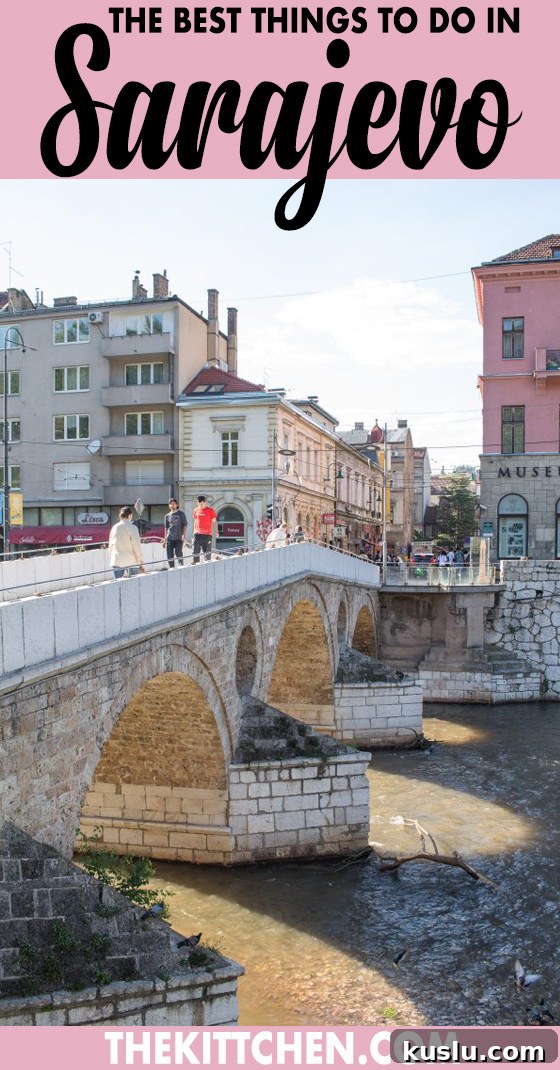
A guide of what to do in Sarajevo…
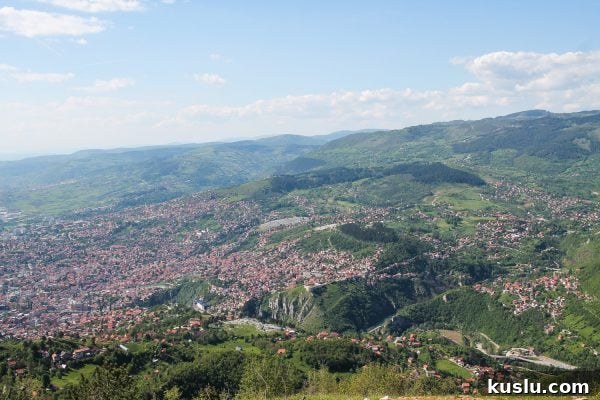
Sarajevo is a vibrant city where East meets West. Compact and walkable, it can be comfortably explored in a couple of days and makes a convenient stop between Belgrade and Dubrovnik. With a few extra days on a trip through the Balkans, Sarajevo proved to be an unexpectedly affordable and fascinating destination. I arrived curious—Bosnia isn’t often talked about as a mainstream tourist spot—but left impressed by its history, culture, and hospitality.
Sarajevo’s History
The city’s architecture reflects its past under the Ottoman Empire and later Austria-Hungary. In Sarajevo you will find mosques, synagogues, Orthodox churches, and Catholic cathedrals often just a block apart, demonstrating a long history of coexistence. Locals I spoke with emphasize that the 1990s war was driven by political ambitions tied to the breakup of Yugoslavia: different groups sought different outcomes for Bosnia, which led to a tragic and complex conflict. Today, the city’s restored streets and buildings make it hard to imagine that Sarajevo endured a devastating siege only a few decades ago.
Nestled in a valley and surrounded by green hills, Sarajevo is picturesque and surprisingly well maintained. The recovery since the war is visible everywhere, yet careful visitors will still notice reminders of the past woven into the urban landscape.
What to do in Sarajevo:
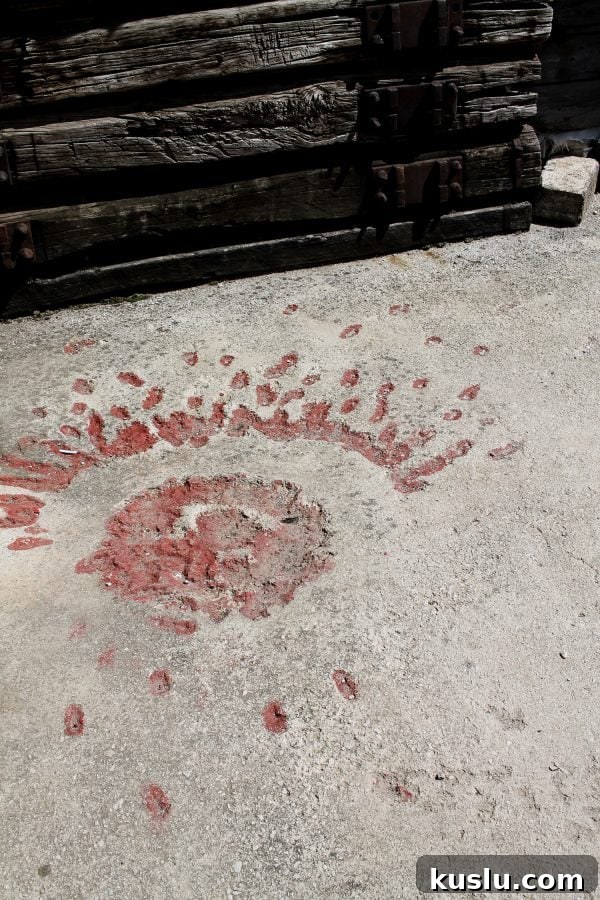
Sarajevo Roses
During the siege of Sarajevo from April 1992 to February 1996, the city endured constant shelling and sniper fire. Today, some streets still show “Sarajevo roses”: shell impact marks filled with red resin to preserve the memory of those lost. These small memorials are among the most visible reminders of the conflict amid a city that has otherwise rebuilt and renewed itself.
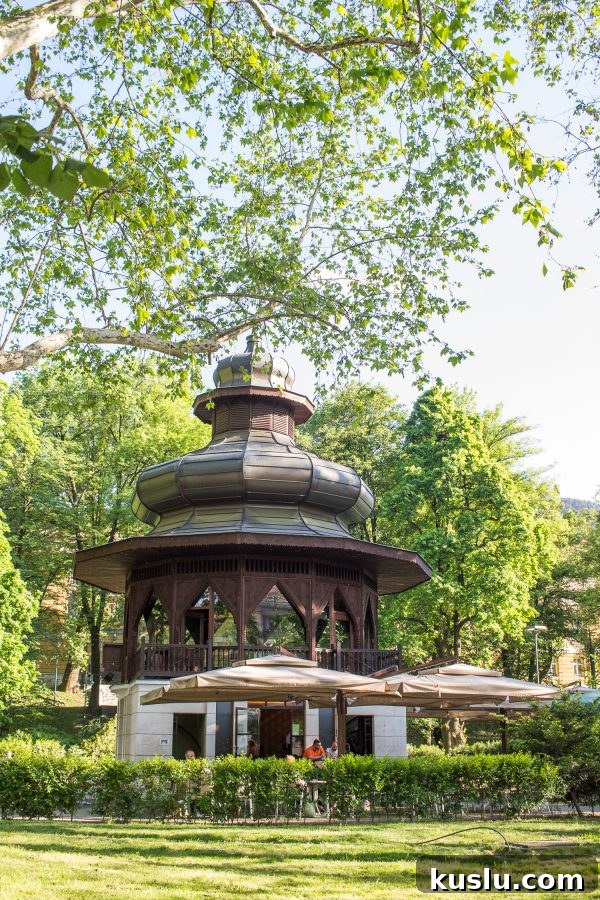
Galerija 11/07/95
Galerija 11/07/95 is a powerful photography exhibit in downtown Sarajevo documenting the Srebrenica tragedy. The images and testimony presented there recount the events that claimed thousands of lives during the war. Visiting the gallery offers essential context for understanding the recent history of Bosnia and the human cost of the conflict.
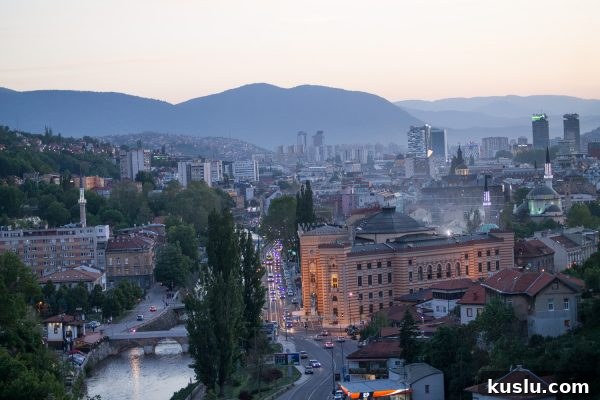
Sarajevo Walking Tour
Free walking tours are a great way to get oriented and hear local perspectives. Guides work for tips and generally put significant effort into their tours, offering both historical background and practical tips on restaurants and nightlife. I joined a tour led by Enes, who grew up in Sarajevo during the war. His stories—about life under sniper fire, food shortages, and daily survival—were moving and gave the city’s sites a deeper meaning.
Enes described childhood fears—like avoiding red clothing because it made people visible to snipers—and the ways families relied on international aid. Despite his past, his energy and optimism were infectious and made the walking tour both informative and uplifting.
Jesus’s Sacred Heart Cathedral
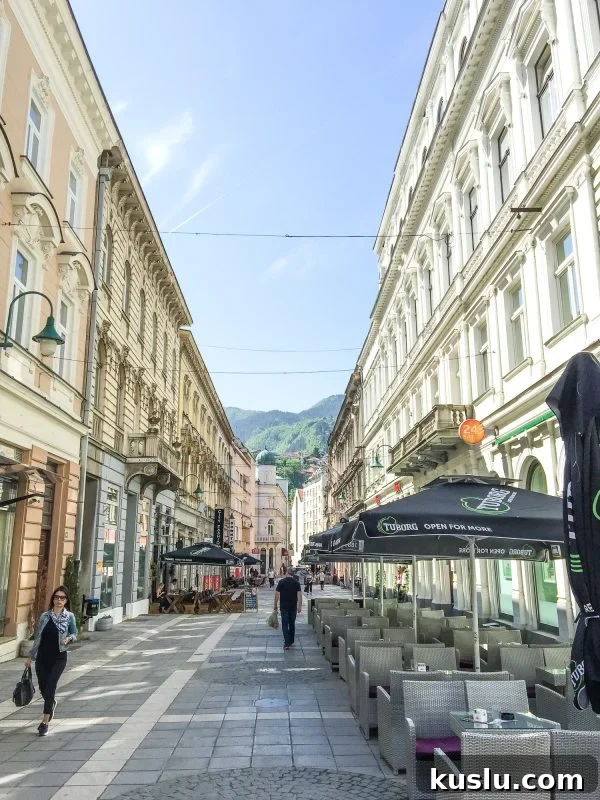
The tour begins at the Sacred Heart Cathedral, a landmark marking the Austria-Hungarian side of the city. In Sarajevo you can literally see the different historical layers: Ottoman streets and bazaars give way to Austro-Hungarian boulevards, and beyond them a modern city with contemporary buildings. This visible blend of eras and styles is part of Sarajevo’s charm.
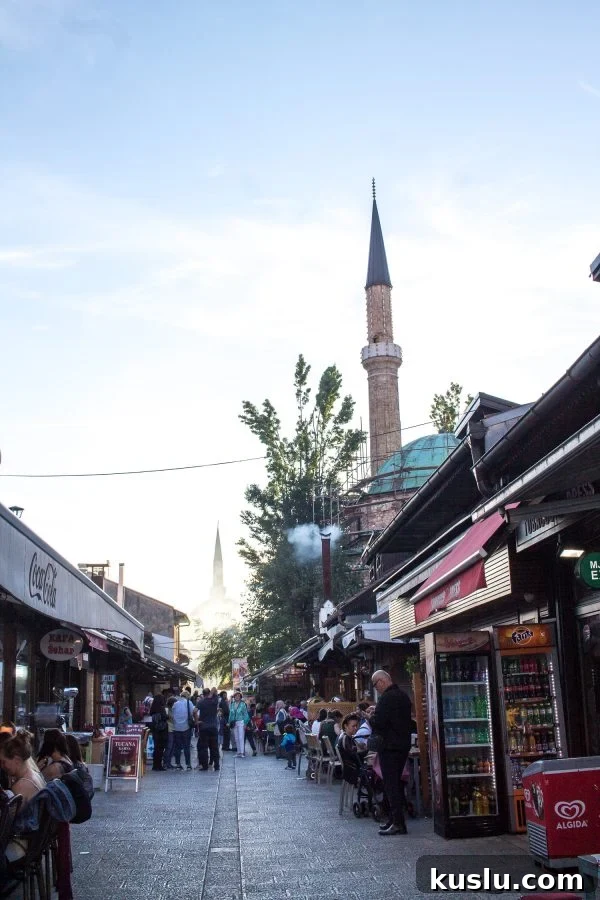
Old Town Sarajevo
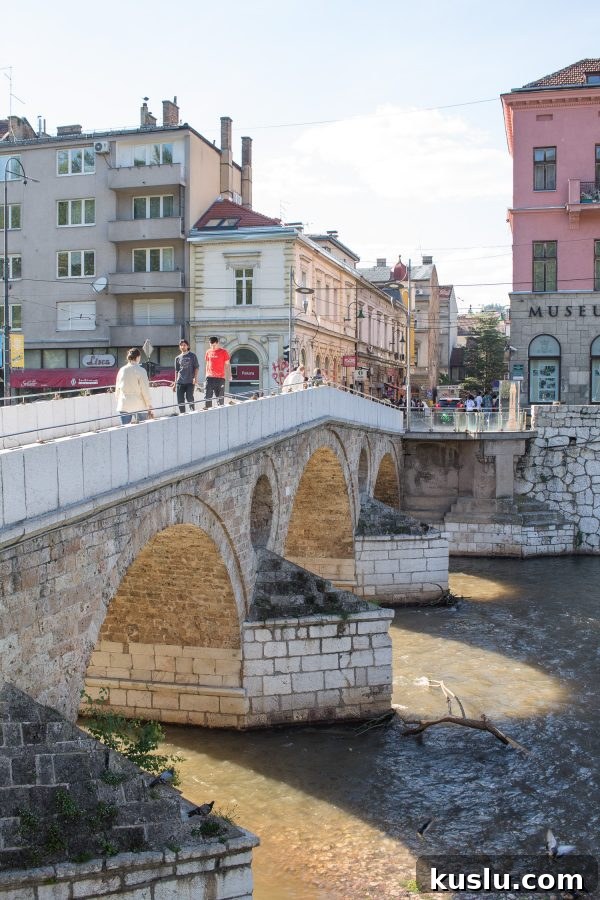
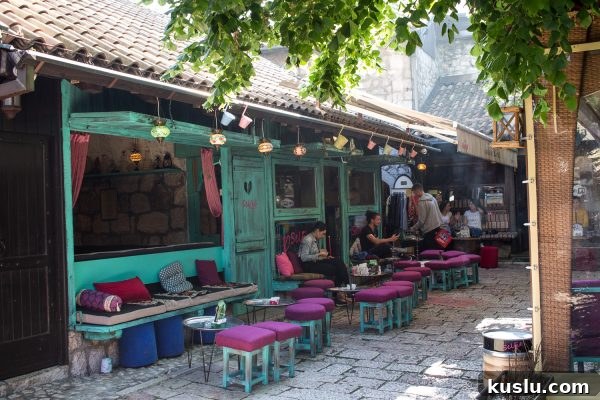
A two-hour walk through the old town covers major sites—from the assassination site of Archduke Franz Ferdinand to Roman ruins and historic mosques. It’s an efficient overview and a good way to absorb the city’s layers while learning from a knowledgeable local guide.
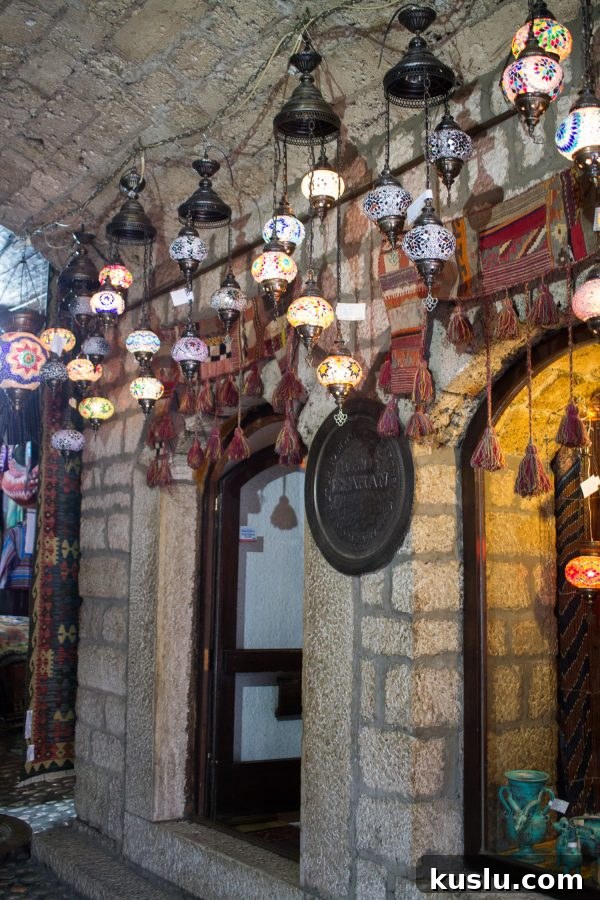
After the walking tour, I arranged a private outing through the same guide to visit attractions outside the city center. He organized pickup, luggage storage, and a timely drop-off at the bus station—convenient for travelers moving on to other destinations.
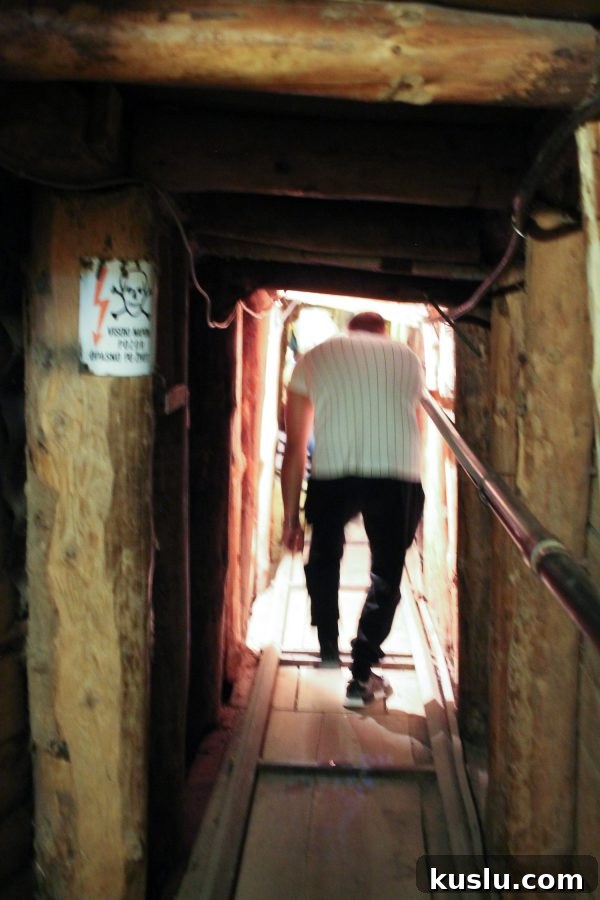
Tunnel of Hope
The Sarajevo Under Siege Tour with BH Spirit Tours includes the Tunnel of Hope, an 800-meter passage that linked the besieged city to the outside world. During the siege the tunnel was vital for transporting food, medical supplies, and people—some used it to escape the city. The visit provides a stark reminder of how essential improvised infrastructure became during the war.
Bobsled Tracks
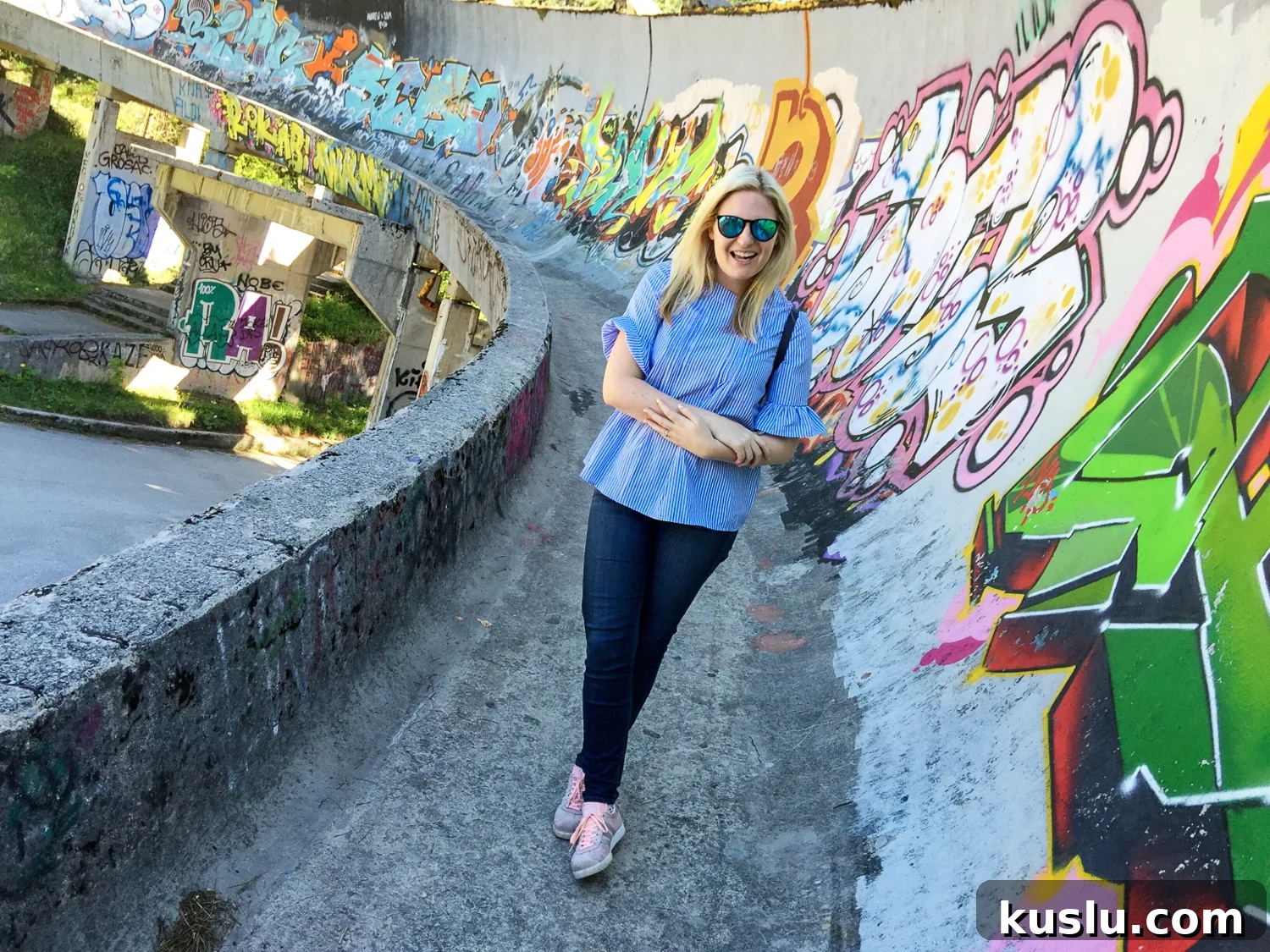
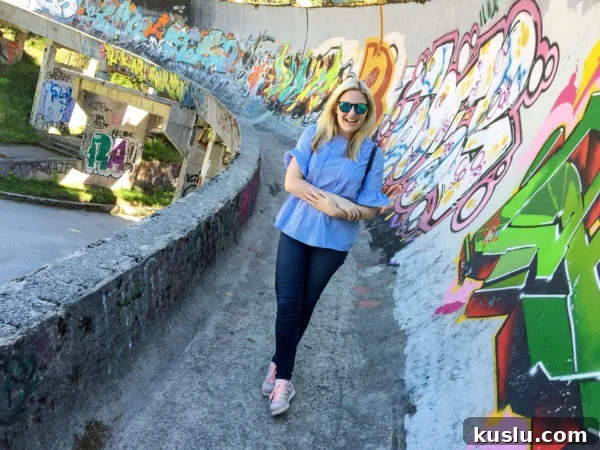
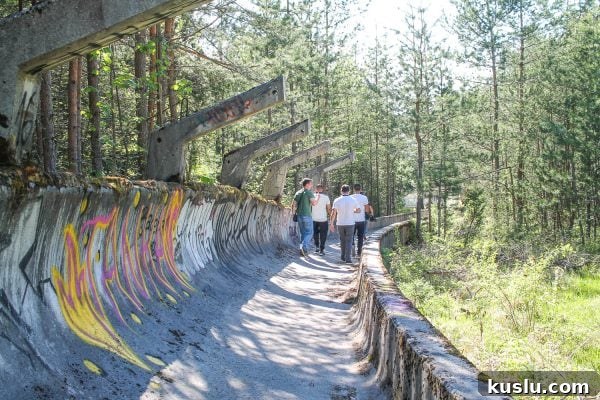
Another striking stop is the abandoned bobsled track from the 1984 Winter Olympics. Seeing this relic—once part of a celebrated international event and later neglected during the conflict—underscores how rapidly the city’s fortunes changed. Today the overgrown track is often listed among the world’s most hauntingly beautiful abandoned places.
What to know before you go
Practical travel planning in Bosnia can be a bit different: bus and train schedules are not always easy to find online in English, and rail service can be interrupted for maintenance. Despite that, English is widely spoken—drivers, hotel staff, and guides are generally helpful and eager to assist. I traveled solo between cities and always felt safe and welcomed.
Where to eat in Sarajevo
The House of Spite
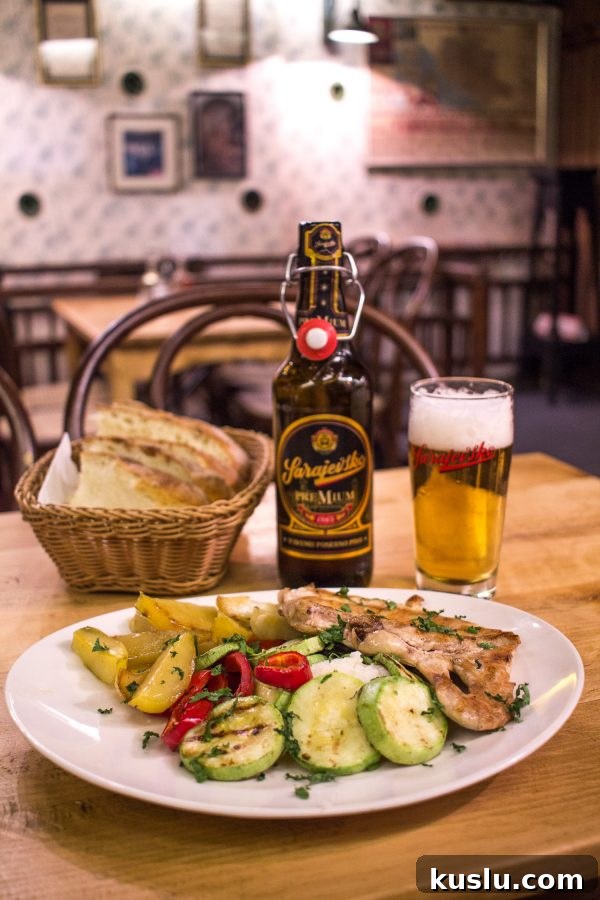
Bosnian cuisine shares many similarities with neighboring countries: hearty portions, grilled meats, cheeses, and savory pies. The House of Spite, set beside the river in a house that was physically moved across the water in 1895, now serves traditional Bosnian dishes in a cozy, homelike atmosphere. The story behind the building adds charm to a meal there.
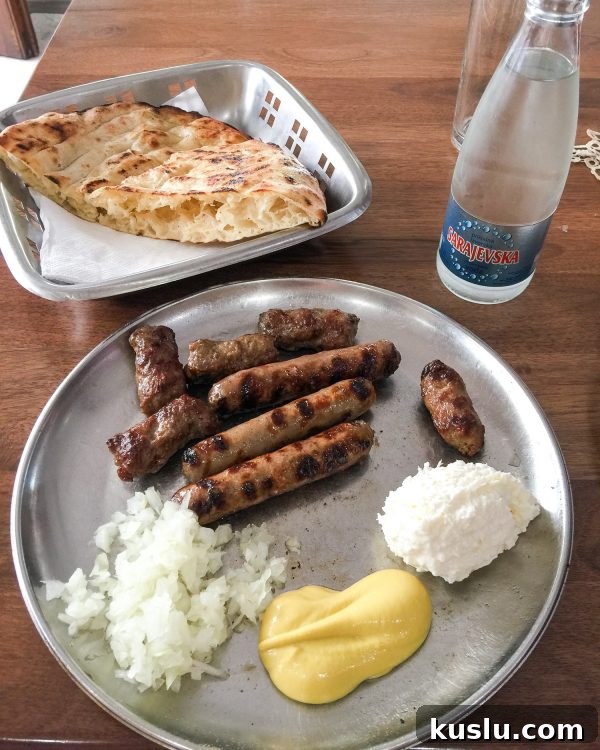
Ferhatovic Petica
My favorite meal in Sarajevo was at Ferhatovic Petica, a small old-town restaurant recommended by both my guide and hotel staff. They specialize in ćevapi—hand-rolled beef sausages—served with kajmak, a creamy cheese, and warm pita. The combination was memorable and very affordable; my satisfying lunch cost only a few dollars. If you’re exploring the old town, it’s a great spot to sample authentic flavors.
Where to stay in Sarajevo
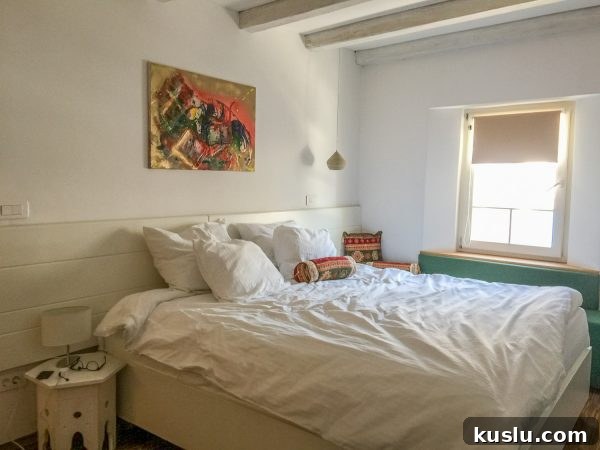
I stayed in Old Town, which is ideal for sightseeing. Accommodations in this area put you within walking distance of markets, restaurants, and key historical sites. Staff at local hotels are helpful with travel advice and arranging tours or transport to other cities.
From Sarajevo I took a scenic 2½-hour bus ride to Mostar, a route that ranks among the most beautiful drives I’ve experienced. If your itinerary allows, include a night in Mostar to continue exploring Bosnia’s varied landscapes and history.
My tour guide, Enes Popara, works with BH Spirit Tours and can be reached at [email protected]. He provided excellent guidance and arrangements during my stay.