
Apple cider vinegar (ACV) is a pantry staple valued for its bright acidity and versatility in the kitchen. It adds tang to dressings, marinades and glazes, and appears in recipes for salads, slaws, baking, BBQ, and pork. If you find yourself without ACV, there are several excellent alternatives that can deliver similar acidity, flavor complexity, or both. Below are 15 practical substitutes and guidance on when to use each so your dish still shines.

Table of Contents
- Balsamic Vinegar
- White Wine Vinegar
- Lemon Juice
- Red Wine Vinegar
- Rice Vinegar
- Lime Juice
- Malt Vinegar
- Orange Juice
- Apple Juice
- Distilled White Vinegar
- Herb-Infused Vinegar
- Sherry Vinegar
- Grapefruit Juice
- Champagne Vinegar
- Raspberry Vinegar
- FAQS
- More Cooking Resources
Balsamic Vinegar

Balsamic vinegar brings a sweet, complex profile that works well in dressings, reductions and glazes. It is darker and sweeter than apple cider vinegar, so expect color and flavor to shift toward a richer, slightly sweet note. Use it when you want depth and a touch of sweetness—consider reducing added sweeteners in the recipe.
White Wine Vinegar

White wine vinegar closely matches ACV’s acidity and has a mild, slightly fruity character. It’s an excellent all-purpose substitute for salad dressings, marinades and vinaigrettes where a delicate tang is desired.
Lemon Juice

Fresh lemon juice provides bright, citrus acidity that can replace ACV in dressings, marinades and many cooked applications. Lemon will lend a citrusy note rather than apple-like fruitiness, so it’s especially good in fish, salads and Mediterranean-style dishes.
Red Wine Vinegar

Red wine vinegar has a robust, tangy profile that suits heartier recipes like stews, marinades and bold dressings. Its flavor is stronger than ACV, so start with less and adjust to taste to avoid overpowering the dish.
Rice Vinegar
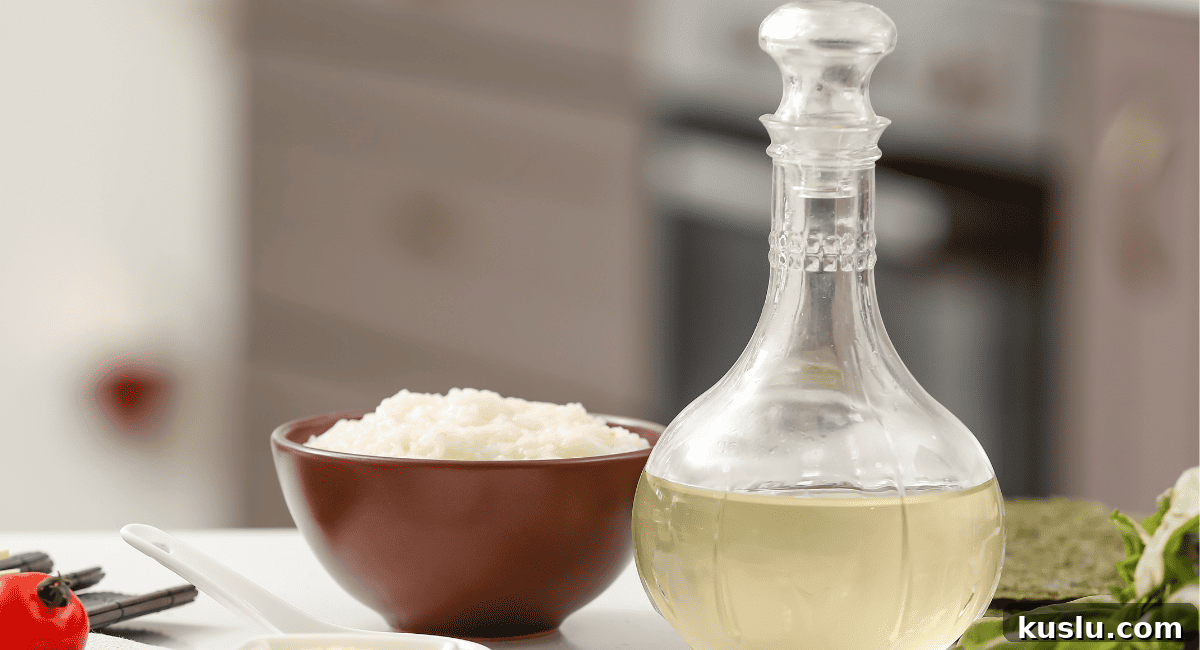
Rice vinegar is milder and slightly sweeter than ACV, making it ideal for sushi rice, Asian dressings and dishes where gentle acidity is preferred. It won’t add strong apple flavor but will balance sweet and savory components nicely.
Lime Juice

Lime juice offers a sharp, zesty acidity with a distinctly citrus character that complements Mexican, Caribbean and many Southeast Asian recipes. Use it where a brighter, more aromatic citrus note suits the cuisine.
Malt Vinegar

Malt vinegar features a toasty, malty flavor commonly paired with fried foods like fish and chips. It’s a good swap when you want a distinctive, savory tang rather than a fruity acidity.
Orange Juice

Orange juice is sweeter than other citrus options but can substitute for ACV in dressings and sauces, especially when you want a mellow citrus sweetness. Because it’s less acidic, use it in equal amounts for recipes that tolerate a sweeter profile.
Apple Juice

Apple juice provides the apple flavor but lacks the acidity of vinegar. Pair it with a splash of another vinegar or add lemon juice to introduce the necessary tang when using it as a substitute in dressings or marinades.
Distilled White Vinegar

Distilled white vinegar is sharp and highly acidic. It can replace ACV if you dilute or balance it with a bit of fruit juice or honey to soften the harsh edge. Use sparingly and taste as you go.
Herb-Infused Vinegar

Vinegar infused with herbs like rosemary, thyme or basil brings aromatic complexity and subtle acidity. It’s an attractive option for dressings, pan sauces or vinaigrettes when you want a herb-forward flavor.
Sherry Vinegar

Sherry vinegar offers a rich, nutty character with balanced acidity. It complements both salads and cooked meat dishes. You can generally substitute it cup-for-cup, but taste and adjust since its flavor is distinct.
Grapefruit Juice

Grapefruit juice provides tartness with a bitter-sweet edge. It can stand in for ACV in a pinch but may require a larger quantity to achieve the same acidity and will introduce a distinct citrus-bitter note.
Champagne Vinegar

Champagne vinegar is delicate, mildly acidic and elegant. It’s a fine choice for light dressings, sauces and dishes where you want subtle acidity without overpowering other flavors.
Raspberry Vinegar

Raspberry vinegar is fruity and sweet, perfect for salads, vinaigrettes and some desserts. It provides a vibrant berry note, so use it when a fruity accent enhances the dish.
Each of these substitutes can replace apple cider vinegar depending on the flavor direction and acidity your recipe needs. For most savory applications, white wine, rice or sherry vinegar are reliable swaps. For bright citrus character, use lemon or lime. For sweeter, fruit-forward notes, choose orange, apple or raspberry-based options—and adjust quantities to taste.
FAQS
Neither is universally better. Lemon juice and apple cider vinegar both add acidity and possible health benefits; choose based on the flavor profile you want in the recipe or your personal preference.
Yes. Distilled white vinegar typically has a higher acetic acid content and a sharper taste, while apple cider vinegar offers fruitier, milder notes from fermented apples.
More Cooking Resources
Cooking Resources
Best Meat for Burgers
Cooking Resources
The Best Store-Bought Hamburger Buns for Burgers
Cooking Resources
Best Cheeses To Use For Macaroni & Cheese (for Melting & Flavor)
Summer
Best Toppings for Bratwursts (Condiments & More)
Follow me on Pinterest, Facebook & Instagram.
Shop my Amazon Storefront!