
If you’ve been searching for a great thick crust pizza recipe, your search ends here. This quick, easy dough yields a soft, chewy, thick, and hearty crust—perfect for piling on your favorite toppings.
Add your favorite toppings and enjoy one of the best homemade pizzas you can make.
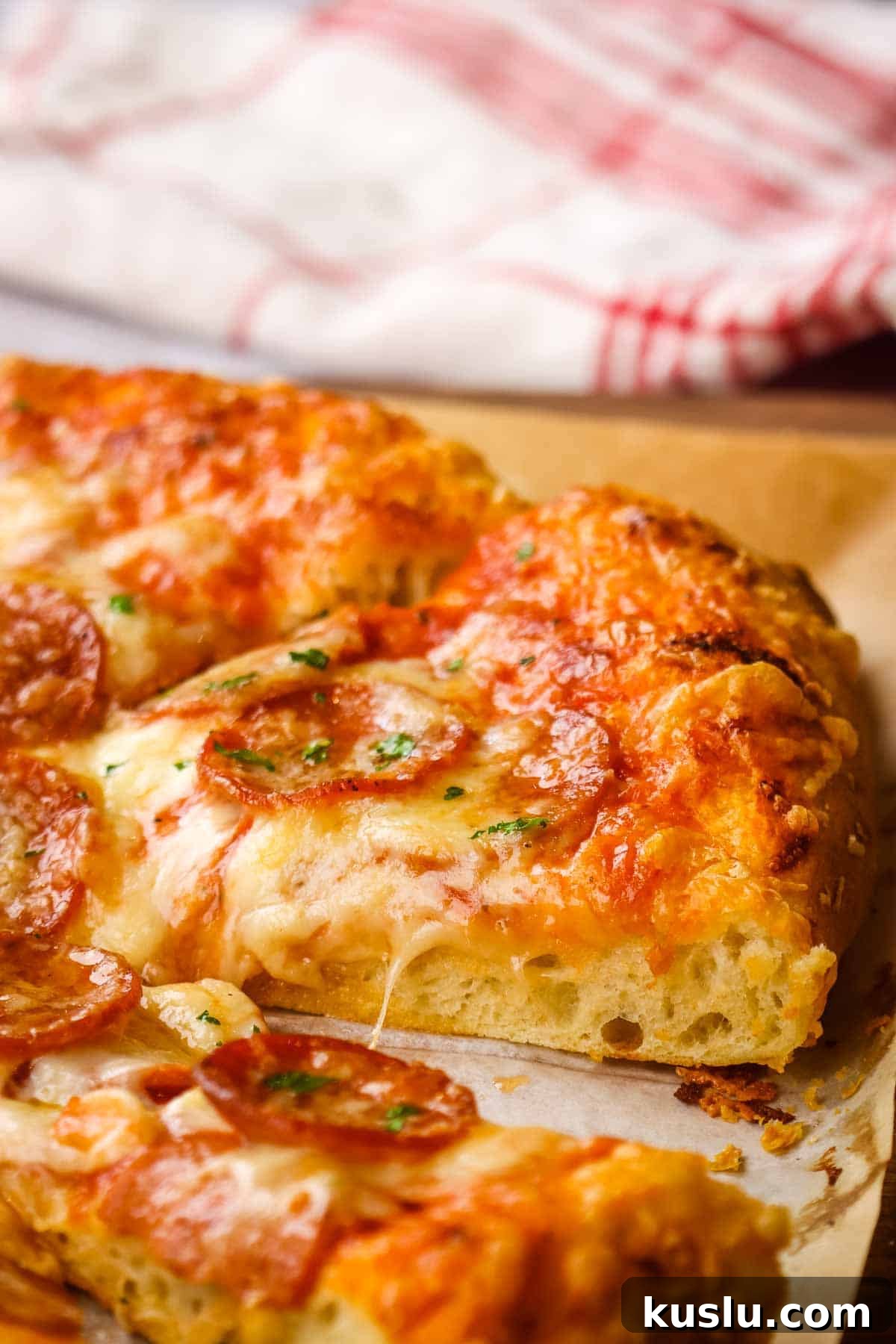
If you’re tired of flimsy, cardboard-like crusts that lack chew and flavor, a homemade thick crust pizza is the remedy. It’s surprisingly simple: five pantry ingredients plus your preferred toppings are all you need.
My family loves a veggie version, and this dough even gets kids eating unusual toppings like artichokes when paired with bold flavors.

Why Homemade Thick Crust Pizza Is So Good
Homemade American-style thick crust pizza offers a texture and flavor that set it apart. The crust is soft and chewy with enough structure to support generous toppings, yet it remains airy instead of heavy. Making the dough yourself means you control the ingredients—no hidden additives—and you get the aroma and taste of fresh-baked bread.
Another great advantage is customization. Load it with vegetables, stack on meats for a hearty pie, or experiment with unconventional combinations. When you make your own crust, you can tailor everything to taste.

How This Thick Crust Differs from a Regular Crust
The ingredient list for this dough matches a reliable all-purpose pizza dough, but two small changes in technique create the thicker, softer result:
- Shape the dough into a slightly smaller 12-inch circle instead of a larger 14-inch circle so there’s more dough per inch.
- Let the shaped dough undergo a short second rise. Allowing the dough to rest after shaping produces a softer, thicker crumb and a heartier bite.
Ingredient Notes
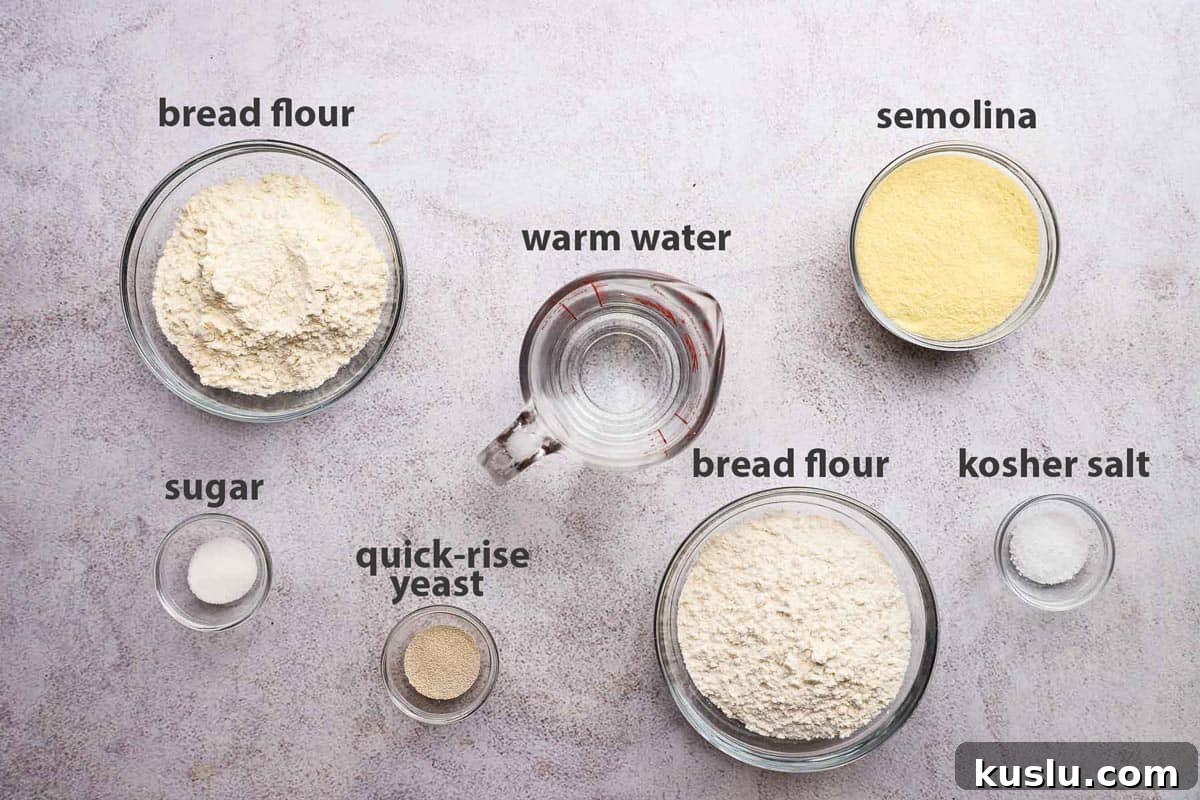
All-Purpose Flour
All-purpose flour, with a protein content around 10–12%, helps keep the crust tender while providing enough gluten for structure.
Bread Flour
Bread flour has higher protein and adds chew and strength to the dough. Use a blend of all-purpose and bread flour for a balance of softness and chew; you can use only bread flour if you prefer a denser crust.
Semolina
Semolina is coarser and adds a pleasant texture, extra chew, and a slight crisp to the bottom of the crust. It’s optional but recommended for flavor and mouthfeel.
Yeast
Quick-rise (bread machine) yeast is convenient because it can be mixed directly with the dry ingredients. If you use active dry yeast, dissolve it in warm water with the sugar first and let it proof for 10–15 minutes before adding to the remaining ingredients.
Pizza Sauce
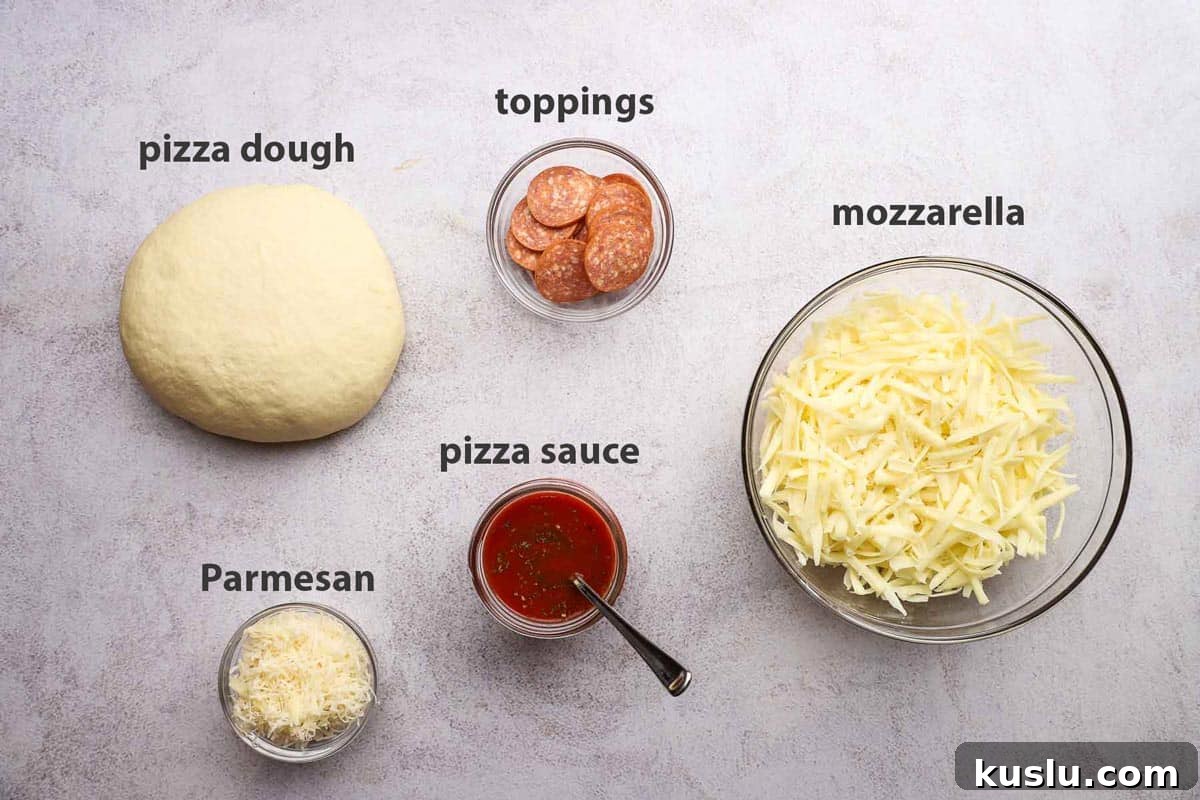
Homemade pizza sauce gives you full control of flavor, but a trusted store-bought sauce works well if you’re short on time.
Mozzarella
Freshly shredded mozzarella melts better than pre-shredded varieties, which often contain anti-caking agents that affect melting.
Parmesan
Finely grated Parmesan adds a salty, nutty finish. Pecorino Romano or Asiago can be used as alternatives.
Step-by-Step Instructions
1. In the bowl of a stand mixer, whisk together the all-purpose flour, bread flour, semolina, yeast, sugar, and salt.
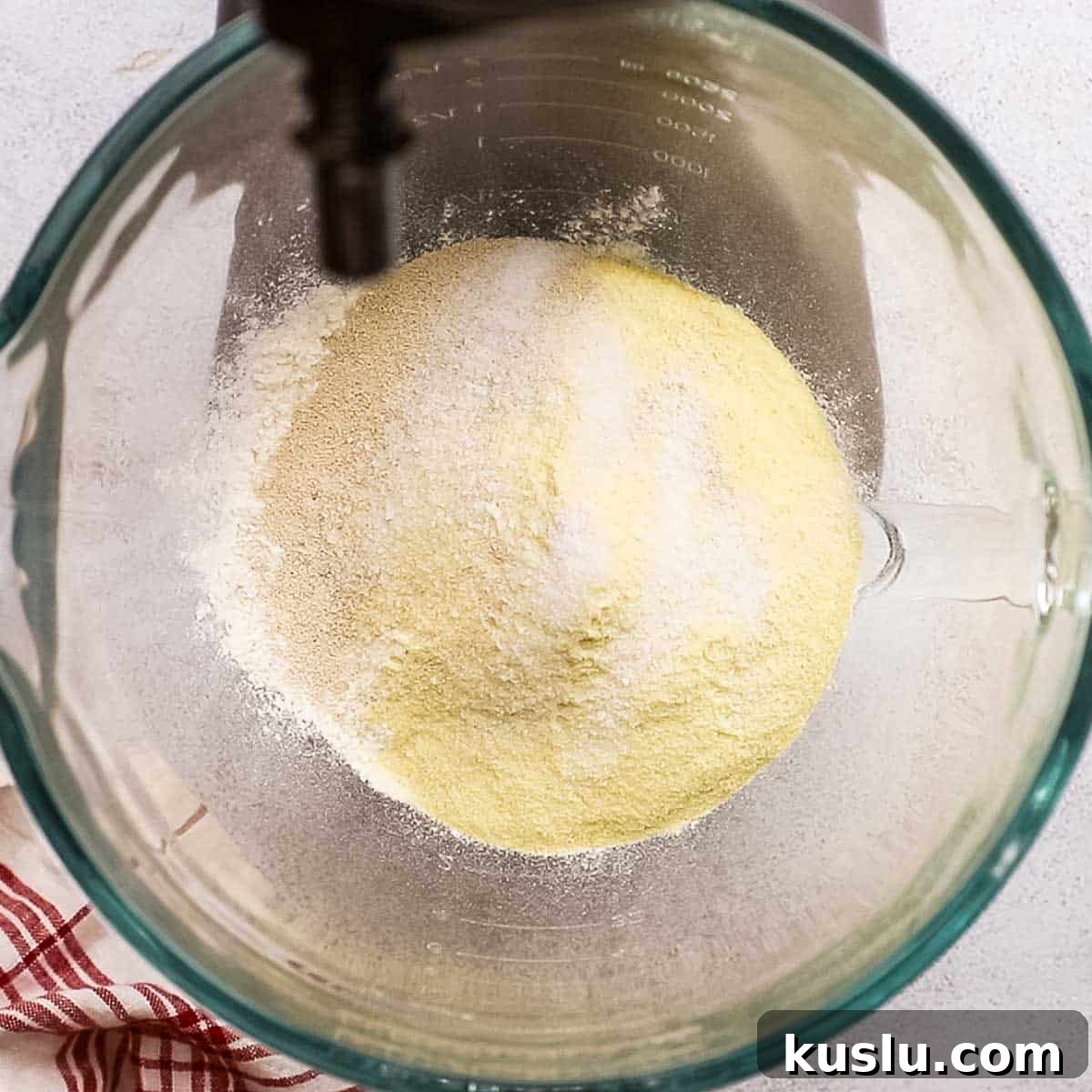
2. Add warm water and stir until the dough begins to come together.
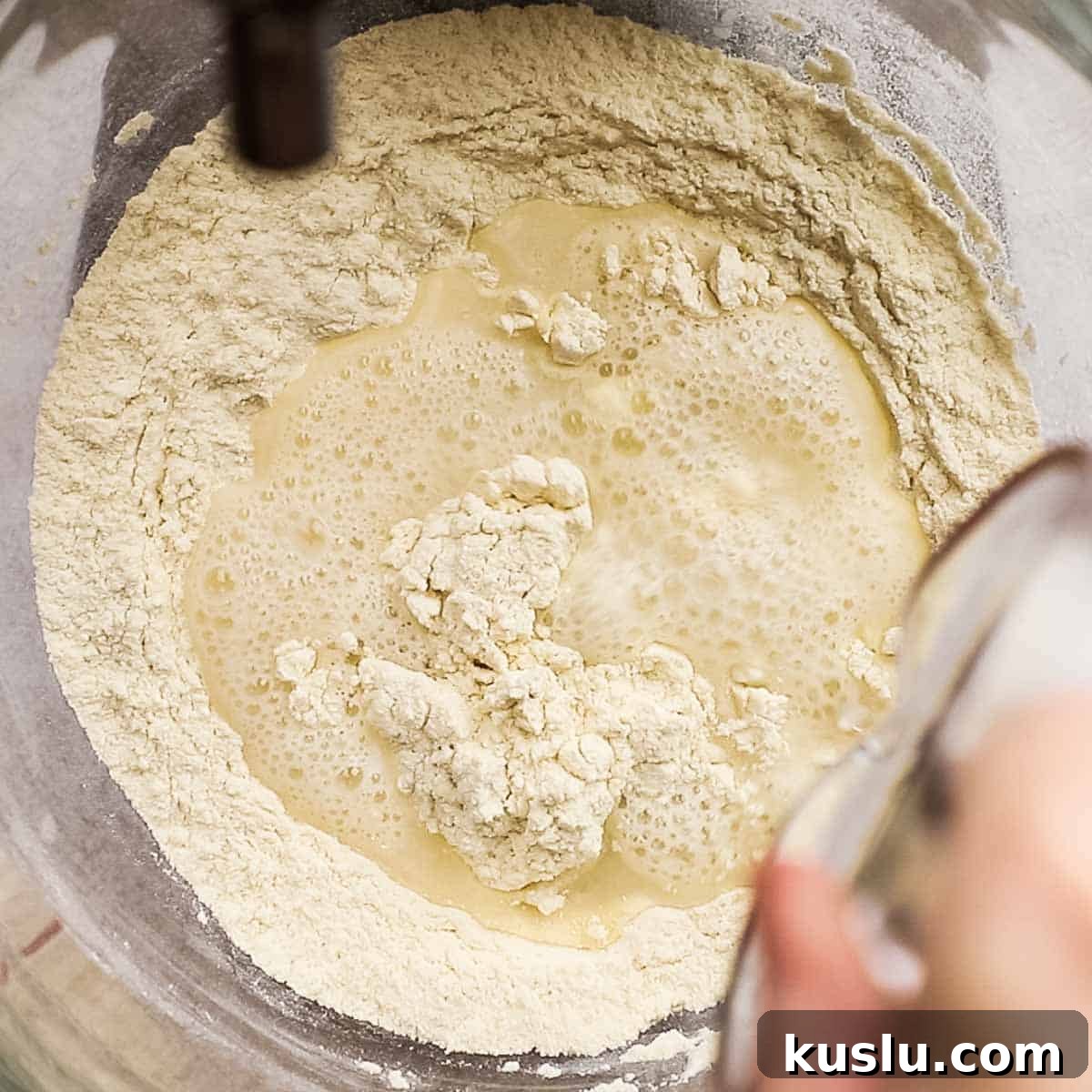
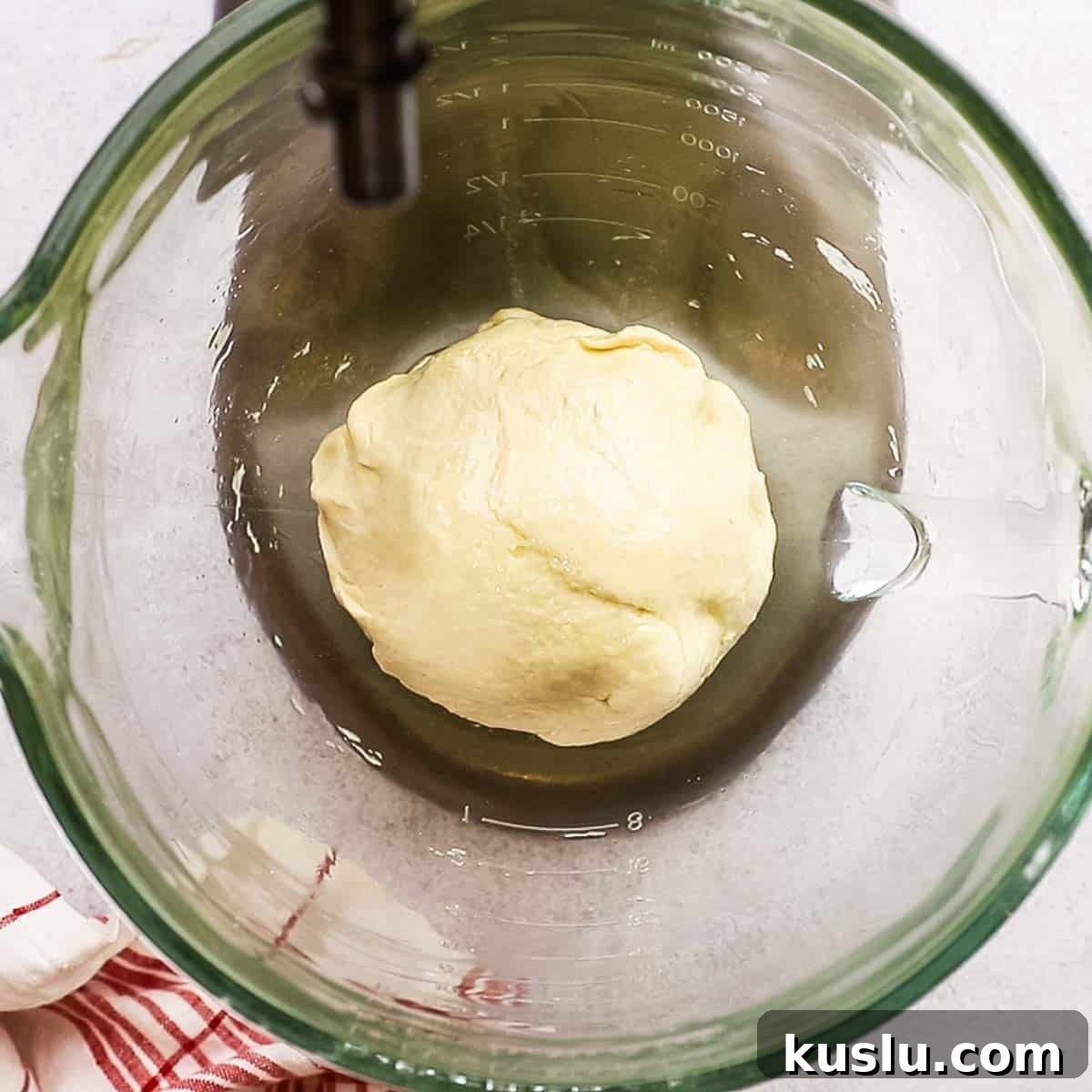
3. Fit the dough hook and mix on low for about 5 minutes until the dough forms a smooth ball. The dough should remain slightly sticky and cling to the bottom of the bowl. If it won’t come away from the sides, add flour one tablespoon at a time—avoid adding too much to prevent a tough crust.
4. Drizzle a little olive oil inside the bowl and roll the dough ball to coat it and the bowl.
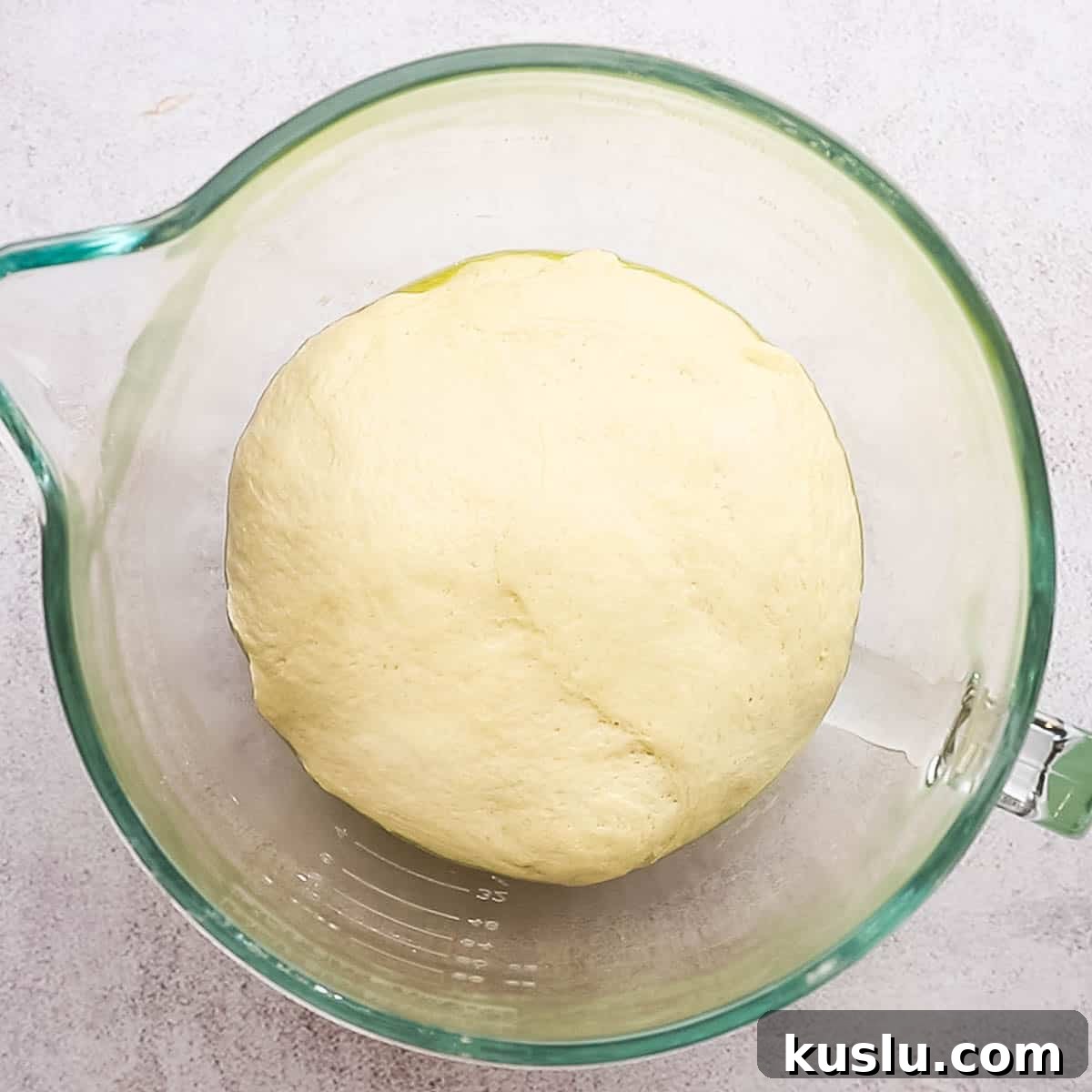
5. Cover the bowl with a tea towel and let the dough rise in a warm place for 45–60 minutes, until doubled in size.
6. About halfway through rising, place a pizza stone on the middle rack and preheat the oven—and stone—to the highest temperature your oven allows (mine reaches 550°F).
7. When doubled, punch the dough down and reshape into a ball. On a large piece of parchment, sprinkle semolina and use your fingertips to form a 12-inch circle on the parchment.
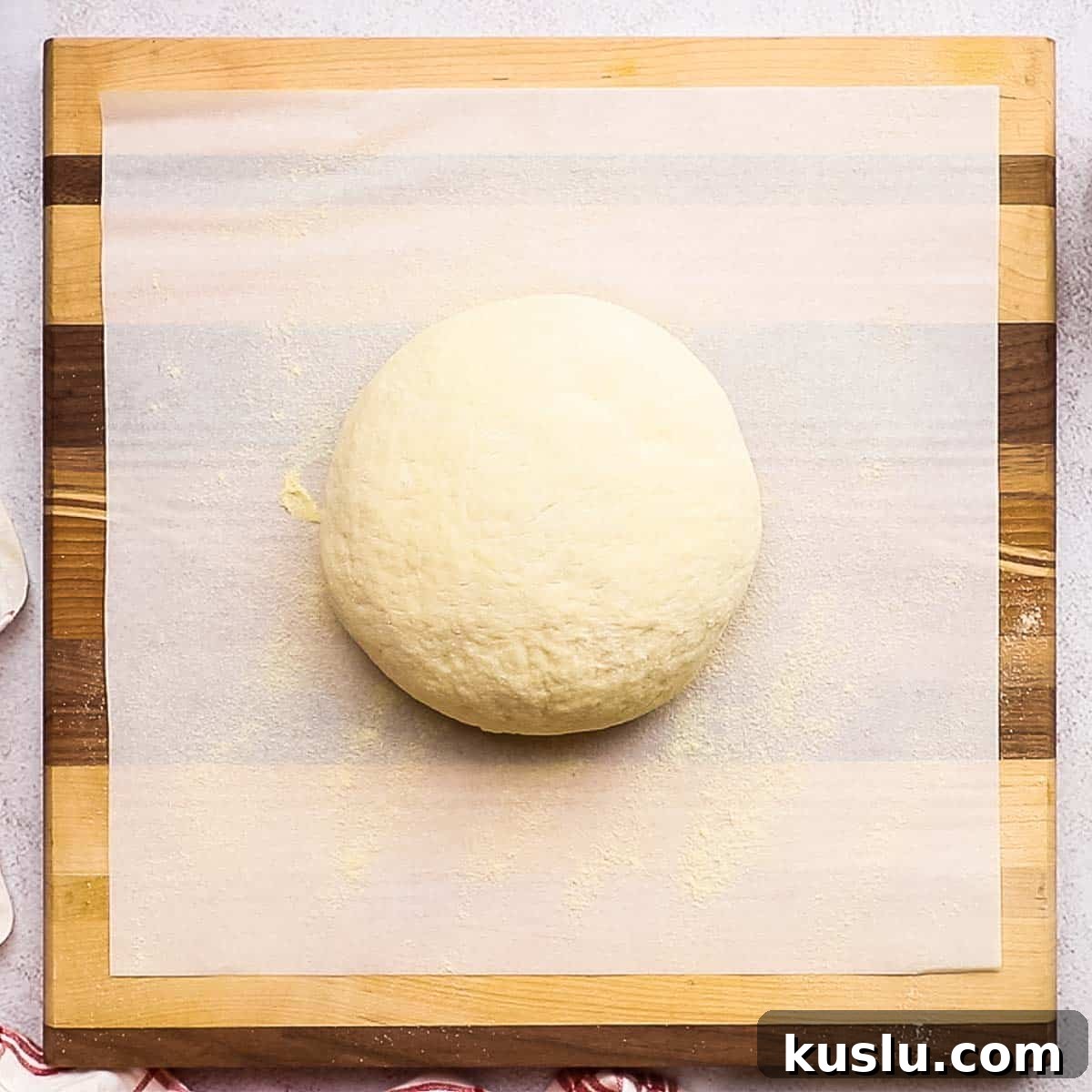
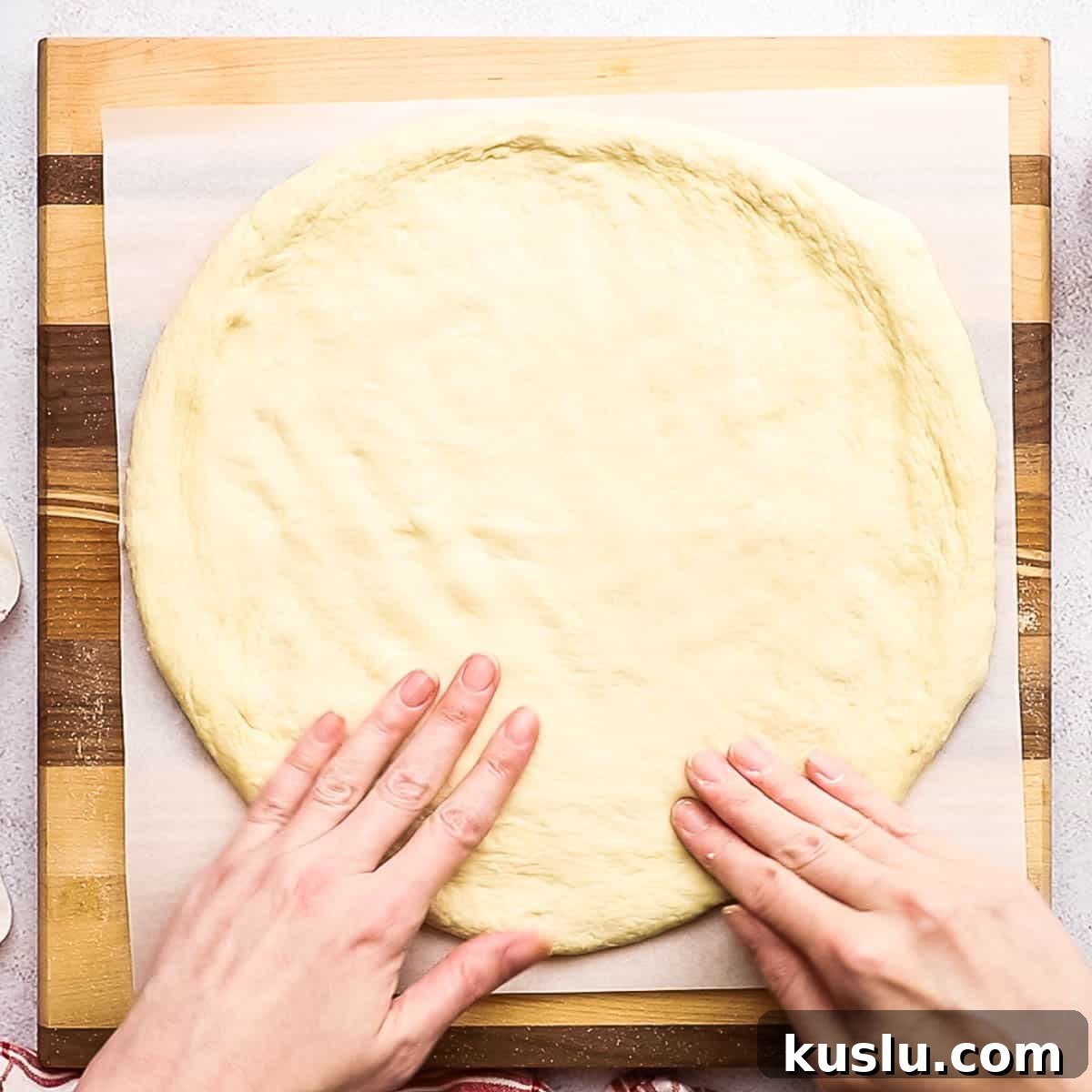
8. Let the shaped dough rest for 10–15 minutes to allow a brief second rise and a softer, thicker crust.
9. Spread pizza sauce over the dough, add a layer of toppings if desired, then sprinkle with mozzarella. Add any additional toppings and finish with grated Parmesan.
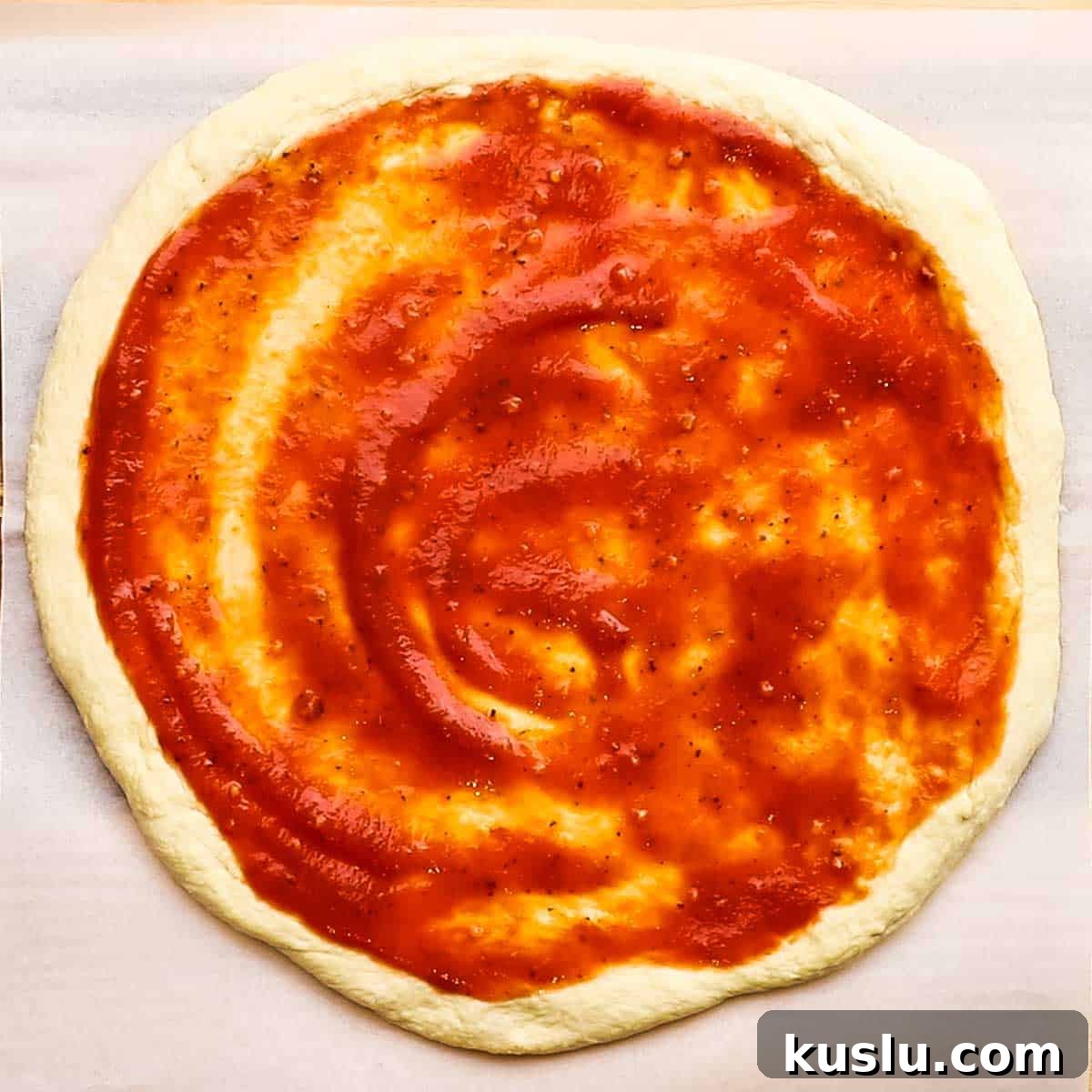
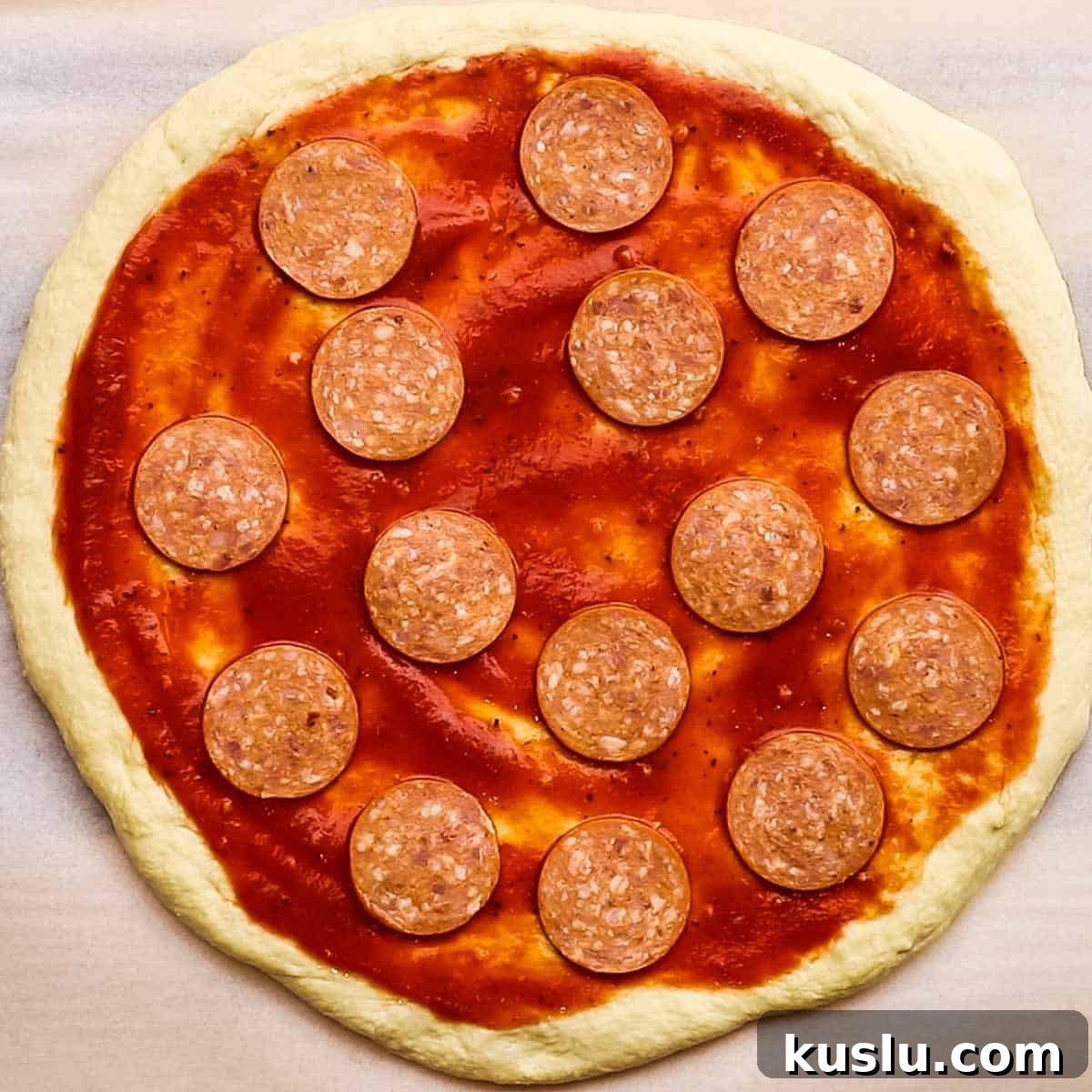
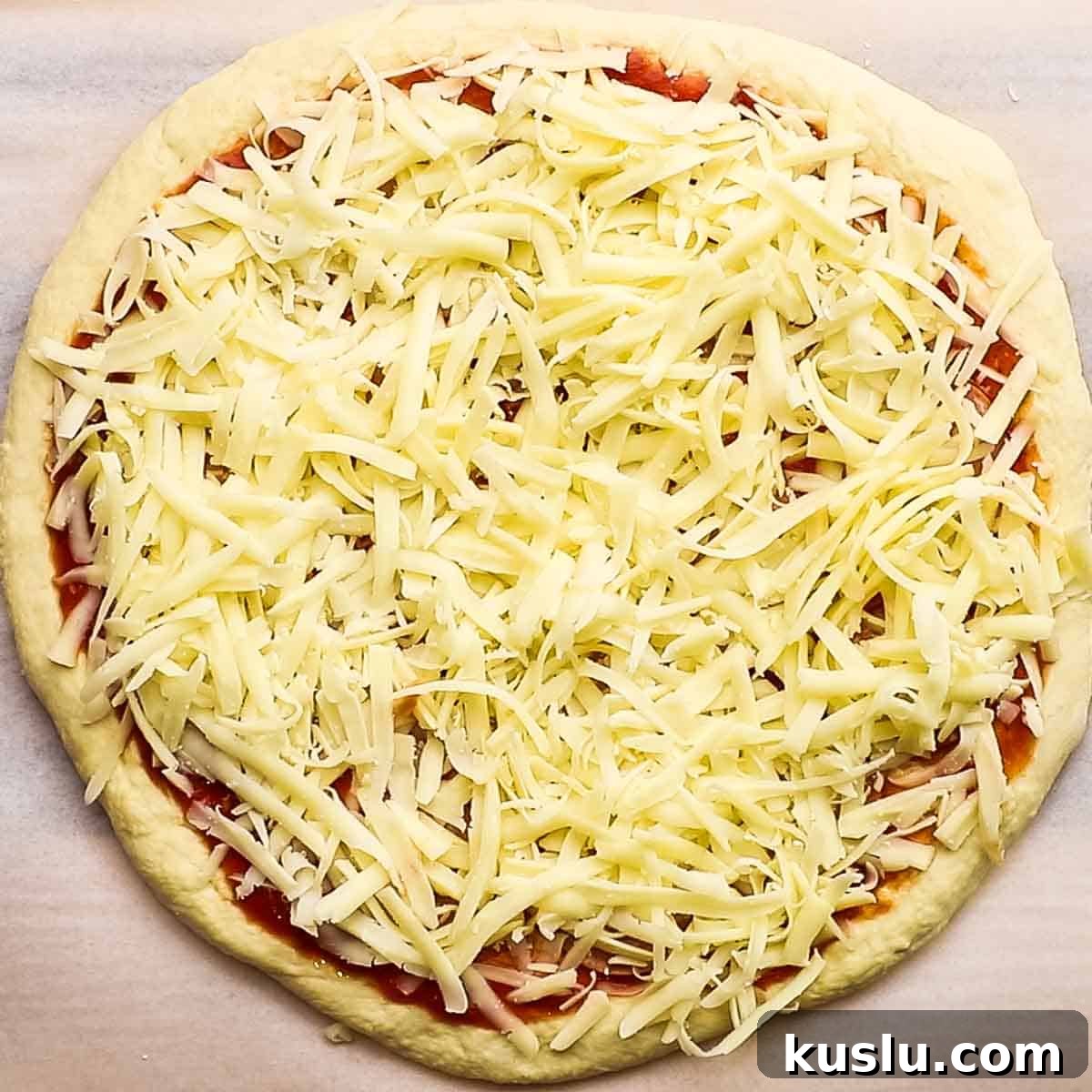

10. Using the parchment, transfer the pizza to a peel, wooden board, or the back of a baking sheet. Carefully slide the pizza and parchment onto the preheated stone.

11. Bake 8–12 minutes until the crust is golden and toppings are cooked. Baking time depends on oven temperature and whether you use a stone or a pan; at 550°F on a preheated stone, it takes about 8 minutes.

Tips for the Best Thick Crust Pizza
Measure by weight when possible: A kitchen scale yields more consistent results. If using cups, use the spoon-and-level method for flour.
Avoid overworking the dough: Shape gently with your fingertips to prevent overdeveloping gluten, which can make the crust tough. If the dough snaps back while shaping, let it rest 10 minutes and try again.
Don’t overload toppings: Thick crust can handle more toppings than thin crust, but balance is still important. Choose a few high-quality toppings and distribute them evenly.
Rest before slicing: Let the pizza rest a few minutes after baking so the cheese sets slightly and the crust cools for cleaner slices.
Yes. All-purpose flour will work, though a mix with bread flour yields a chewier, more structured crust. Semolina is optional but adds texture and flavor.
Yes. Refrigerate the dough up to 3 days for more developed flavor. Bring it to room temperature before shaping and baking.
Yes. Freeze up to 3 months. Thaw overnight in the refrigerator and bring to room temperature before shaping.
No. A baking sheet or pizza pan works, but a stone improves crispness and even heating.
Yes. Proof active dry yeast in warm water with sugar for 10 minutes before adding to the dry ingredients.
Absolutely. Combine ingredients in a bowl, transfer to a floured surface, and knead about 5 minutes until smooth and elastic.
To gently speed the first rise, briefly heat the oven for a couple of minutes, turn it off, and let the dough rise inside for a short time before removing it to preheat the oven and stone fully.

Thick Crust Pizza
Tools for This Recipe
-
1 pizza stone
Ingredients
- 1 cup all-purpose flour
- 1 cup bread flour
- 1/2 cup semolina
- 2 teaspoons quick-rise (bread machine) yeast
- 1 teaspoon sugar
- 1 teaspoon kosher salt
- 1 cup warm water
- olive oil for coating the bowl
- 1/2 cup pizza sauce homemade or store bought
- 8 oz mozzarella grated
- 2 oz Parmesan cheese finely grated
- other toppings of choice optional
Instructions
-
Whisk the flours, semolina, yeast, sugar, and salt in the stand mixer bowl.
-
Add warm water and stir until it begins to come together.
-
Mix with the dough hook on low about 5 minutes until the dough forms a smooth ball. It should be slightly sticky; if it clings to the sides and won’t come together, add flour one tablespoon at a time. Avoid over-flouring.
-
Drizzle olive oil in the bowl and roll the dough to coat.
-
Cover and let rise in a warm place 45–60 minutes until doubled.
-
Place a pizza stone on the middle rack and preheat the oven to its highest temperature toward the end of the rise.
-
Punch down the dough, form a ball, sprinkle semolina on parchment, and shape into a 12-inch circle with your fingers.
-
Let rest 10–15 minutes for a short second rise.
-
Top with sauce, toppings, mozzarella, and finish with Parmesan.
-
Use parchment to transfer the pizza onto the hot stone and bake 8–12 minutes until golden and cooked through.
Notes
Nutrition facts include cheese but not pepperoni.