Ketogenic Diet Risks – How to Avoid Them
What are the risks of the ketogenic diet, and how can you reduce them? Many people embrace keto to lose weight or improve health, but without attention to the details it can cause problems. This article outlines common pitfalls and practical ways to keep a ketogenic lifestyle safe and sustainable.
Understanding the Ketogenic Diet
The ketogenic diet is a low-carbohydrate, high-fat eating plan that emphasizes healthy fats, moderate protein, and a strict limit on carbohydrates. When followed correctly, it can help with weight loss, blood sugar control, and other metabolic benefits. However, the diet’s macronutrient focus can also encourage food choices that undermine overall nutrition.
Nutrition Concerns
Micronutrient Deficiencies
A major risk is neglecting micronutrients in favor of hitting macro targets. Some people shift to convenient processed “low-carb” replacements or eat predominantly fatty, processed meats and cheeses. Over time this can lead to deficiencies in magnesium, zinc, vitamins A, B complex, C and D, and other essential nutrients.
Relying on Processed Low-Carb Foods
Processed low-carb alternatives—cookies, bars, packaged meals and artificially sweetened products—may meet macronutrient ratios but often contain preservatives, artificial sweeteners and additives. These products can displace whole foods like vegetables, fruits (in moderation for keto), nuts, seeds and quality proteins that provide vitamins, minerals and phytonutrients.
Poor Food Choices Masked by Weight Loss
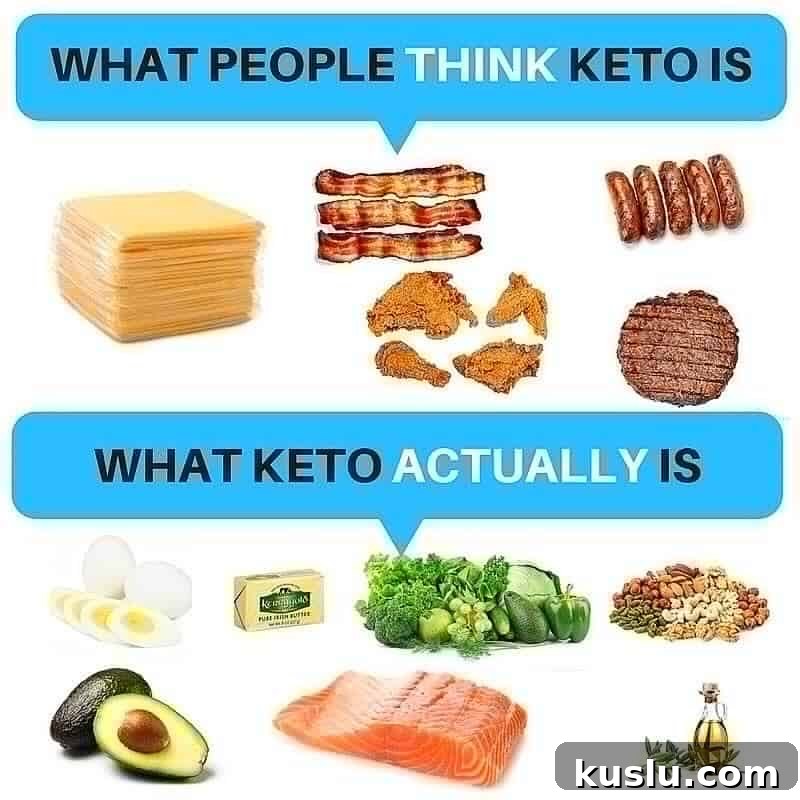
Early weight loss on keto can create a false impression that any food fitting the macros is healthy. For example, an extreme diet of processed cheeses and cured meats may reduce body weight but harm long-term health if it lacks fresh produce, fiber and essential micronutrients.
How to Avoid Ketogenic Diet Risks
Prioritize Whole, Minimally Processed Foods
Base your meals on whole foods: leafy greens and nonstarchy vegetables, avocados, nuts and seeds, olives, fatty fish, eggs and quality meats. These foods supply essential vitamins, minerals and healthy fats without the additives found in many packaged keto products.
Include a Variety of Vegetables
Vegetables are key for micronutrients and fiber. Even on a low-carb plan, prioritize a range of nonstarchy vegetables to support digestion, immune function and nutrient status.
Monitor and Supplement When Needed
Check with a healthcare professional about monitoring nutrient status and supplementing when appropriate—common supplements on keto include magnesium, vitamin D and electrolytes. Tailor supplementation to your individual needs rather than assuming one-size-fits-all.
Limit Artificial Sweeteners and Highly Processed Items
Avoid overreliance on artificial sweeteners, highly processed low-carb snacks and canned convenience foods. Choose fresh or minimally processed alternatives whenever possible.
Focus on Food Quality
Where feasible, choose organic, ethically sourced or minimally processed foods. Higher-quality ingredients often have fewer contaminants and more nutritional value. Aim for a balance of healthy fats, clean protein sources and nutrient-dense plants.
Mindset and Long-Term Success
Successful, sustainable ketogenic eating requires both changes in food selection and a mindset shift. Don’t simply swap sugary or high-carb processed foods for processed low-carb versions. Learn what your body needs—prioritize nourishment, not just macronutrient ratios.
Make gradual, realistic changes and focus on habits that you can maintain for life: varied whole foods, attention to micronutrients, hydration and mindful eating. If you’re unsure about the best approach, consult a registered dietitian or healthcare provider experienced with low-carbohydrate diets.
If you have questions or want to share your experience, leave a comment to continue the conversation.
Image source – That Sugar Film