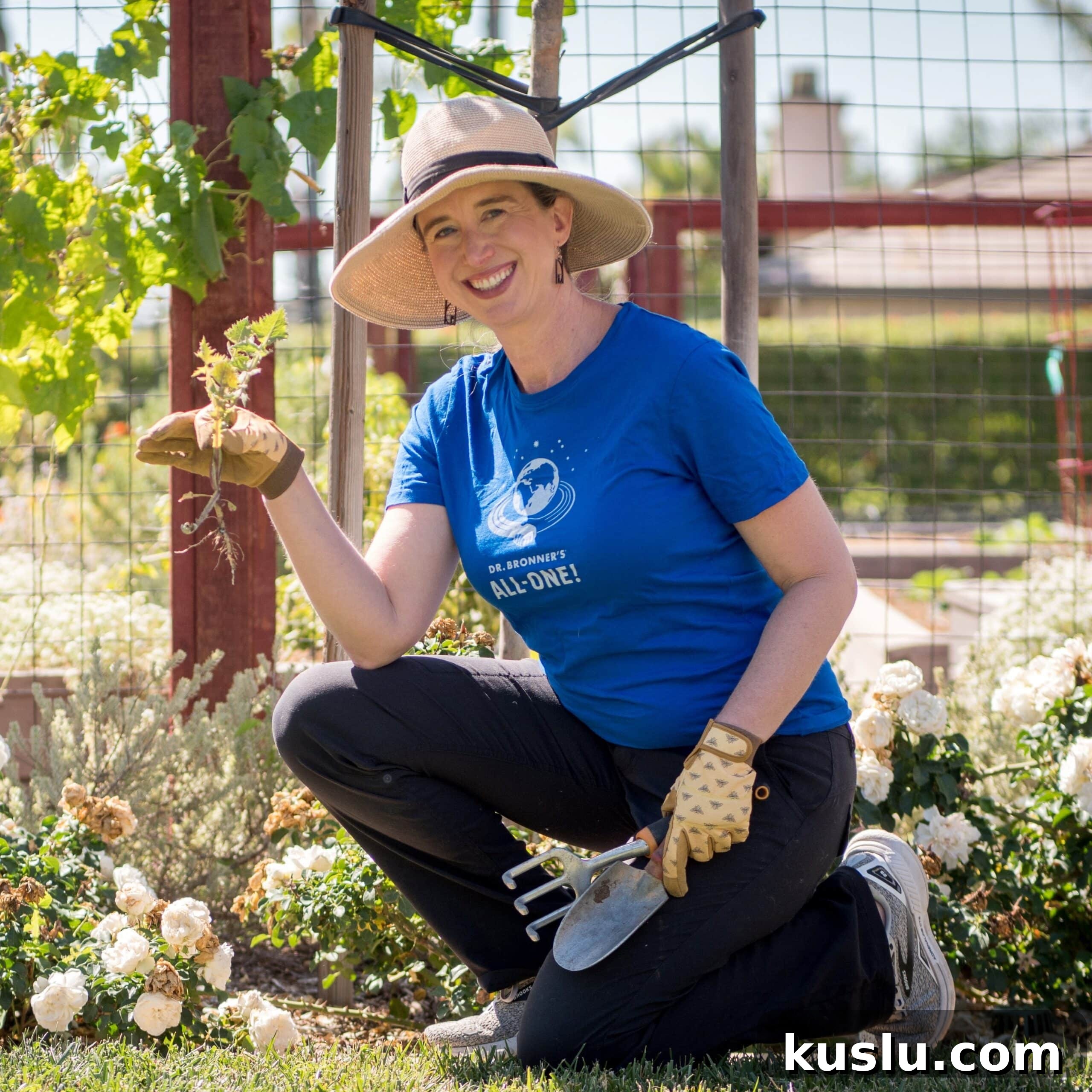
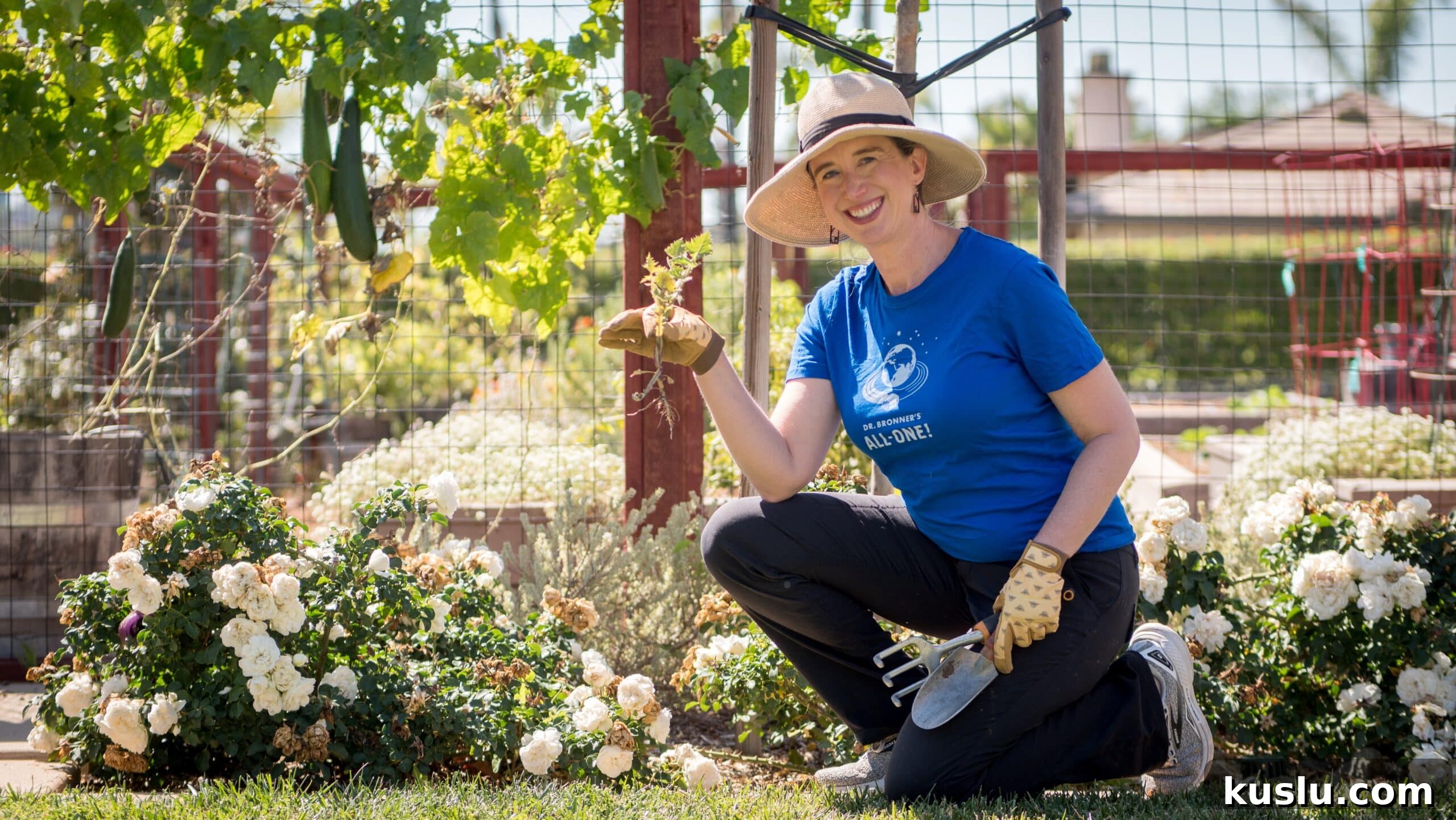
Even if the only outdoor space you have is a narrow walkway, you likely face weeds. They are resilient, resourceful, and highly adaptive. Some people defend weeds as misunderstood plants with value; others call anything unwanted a weed. For clarity here, a weed is simply a plant you don’t want.
I’ve lived on the same 2½ acres in rural San Diego County for more than 20 years. From the start we chose to avoid conventional herbicides on our land. Even though chemical products offer quick, easy results, we didn’t want our family, pets, soil, or air exposed to their unintended consequences. That decision has required more time and creative thinking, but it’s been worthwhile.
My approach to yard care is big-picture. Advertising promises instant solutions—one spray and problems vanish. Sometimes that’s true short-term, but long-term consequences can follow. Frequent exposure to harsh chemicals can contribute to chronic breathing problems, skin irritation, or sensitivities. You don’t have to choose between a tidy yard and a healthy home. You can maintain both, but it often means ignoring marketing that sells convenience at the expense of safety.
Table of contents:
- Why ditch chemical weed killers?
- Non-toxic weed-killing methods that work
- Stopping weeds before they start
- Most targeted control: physical removal
- Other natural weed-control methods
- Unexpected natural approaches
- Natural weed killer FAQs
Why ditch chemical weed killers? The case against glyphosate & 2,4-D
We chose to avoid common herbicides because the immediate convenience of a spray comes with trade-offs. Products like glyphosate (commonly known as Roundup) and 2,4-D clear weeds quickly, but questions remain about human and ecological exposure. While some regulators consider these products acceptable when used strictly by label instructions, exposure happens beyond the applicator: drift on the breeze, residue where children and pets play, and accidental spills or misuse. Those pathways matter, especially where families and pets share outdoor spaces.
Legal actions and scientific scrutiny have intensified public awareness. Beyond glyphosate, other herbicides such as 2,4-D and dicamba have raised concerns about endocrine disruption, reproductive effects, and off-target drift. Given these uncertainties, many homeowners opt for non-toxic strategies that manage weeds effectively without the risks of synthetic herbicides.
Safe alternatives for home gardeners
Rejecting herbicides doesn’t mean resigning to persistent weeds. Numerous alternatives work well if you match the method to the weed type, location, and size. There’s no single cure-all; combining prevention, physical removal, mulching, and targeted treatments will yield the best results.
Non-toxic weed-killer methods that actually work
Why I use boiling water on patio weeds
For weeds pushing up through hardscaping—driveways, patios, and walkways—my go-to is boiling water. It’s simple, free from chemicals, and effective on small weeds (generally under 8 inches tall). Boil water in a kettle or reuse hot cooking water, carefully pour it over the weed, and step back. The next day plants will look wilted; by the second day they’ll be dried out. This method desiccates weeds and, in my experience on paved surfaces, prevents regrowth for that spot.
Don’t use boiling water on lawns, garden beds, or around desirable plants—hot water kills any plant and harms soil life like earthworms. It’s best reserved for cracks in hard surfaces where you want targeted control without chemicals.
Why I don’t recommend many DIY weed-killer recipes
I’ve tested many homemade recipes and found several downsides: damage to surfaces, harm to soil and soil life, and limited effectiveness. Below are common approaches and why I caution against them in most home situations.
Vinegar: what you need to know
Vinegar is acidic and can kill plants, but culinary vinegar (around 4–5%) often requires multiple applications. Horticultural vinegar (up to 49% acidity) will kill plants but is hazardous to handle, can etch stone and concrete, harms soil life, and alters soil pH. Like boiling water, vinegar is non-selective and should not be used where you want to preserve other plants.
Baking soda
Baking soda may desiccate exposed leaves in some cases, but it deposits salts in the soil that can impede future plant growth. I don’t recommend it where you plan to grow desirable plants later.
Hydrogen peroxide
Hydrogen peroxide will kill plants and can bleach or damage stone and concrete with repeated use. It’s useful only in areas with no desired plants and where surface damage is not a concern.
Vinegar, salt, and dish soap mixtures
Recipes combining vinegar, salt, and soap are common online, but they risk long-term soil salting that prevents plant growth, and they can leave unsightly residue on hard surfaces. I tried one and found it ineffective on many weeds and potentially damaging to soil.
Castile soap with vinegar
Combining true soaps with vinegar causes a chemical reaction that breaks both down into an oily residue. That mixture is messy and won’t reliably kill roots; it’s better to avoid mixing them with the expectation of a superior herbicide.
Stopping weeds before they start: Prevention
Prevention is the most efficient defense against weeds. Invest a little effort upfront and you’ll save a lot of time later. Here are reliable prevention strategies.
Plant densely to crowd out weeds
Plant desirable species close together so they shade the soil and leave little room for weeds to establish. Dense plantings reduce available light and space for unwanted species.
Use ground covers
Ground covers protect soil from erosion, conserve moisture, add fertility, and choke out weeds. Options vary by region—legumes, jasmine, or other low-growing plants can serve as effective living mulch. Ask local gardening experts which species suit your climate.
Water wisely
Weeds thrive where water is indiscriminately applied. Use targeted irrigation—drip lines and soaker hoses—to deliver water directly to desired plants rather than wetting broad areas that encourage weed growth.
Mulching
A 3–4 inch layer of organic mulch is one of the best defenses. Mulch suppresses weeds, retains moisture, protects soil, and breaks down into nutrients. Choose organic mulches—wood chips, bark, or shredded mulch—over synthetic rubber mulches so you build soil health over time. Be generous with the depth; a thin layer won’t stop persistent weeds.
Landscape fabric
Landscape fabric can help when used correctly beneath mulch or gravel. It lets water through while limiting deep-rooted weeds. Expect some weeds to sprout in the mulch layer on top, but those roots are shallow and easy to remove. Fabric under a generous mulch layer can make paths and vegetable garden aisles easier to maintain.
Most targeted control: physical removal
Physical removal is straightforward, chemical-free, and effective. It requires time and consistent effort, but it’s ideal in situations where you want to protect valued plants and soil life.
Hand pulling: how to prevent regrowth
Hand pulling is the most reliable non-toxic method. Focus on removing the entire root system, work after rain when soil is loose, use a trowel or cultivator to loosen soil around roots, and pull small weeds before they mature. Regular short sessions beat long, backbreaking efforts later.
Hoed weeding for speed
A good hoe makes weeding faster and provides exercise. For many situations a hula (stirrup) hoe is excellent for slicing weeds just below the surface. Keep the blade sharp and use a steady push-pull motion to sever small weeds at the root zone.
Rototilling: pros and cons
Rototilling quickly chops and buries weeds but also brings weed seeds closer to the surface, disrupts soil structure, and harms soil biology. Use tilling sparingly—shallowly and primarily when incorporating a cover crop to benefit future plantings.
Other natural weed-control methods
Sheet mulching (lasagna gardening)
Sheet mulching layers organic materials to smother weeds and build soil. Typical steps: cut weeds low and leave clippings, add soil amendments if desired, cover with overlapping cardboard or thick newspaper, wet thoroughly, add layers of nitrogen-rich compost, then carbon-rich material, repeating until 12–18 inches deep, and keep moist for several months. When it decomposes, you’ll have rich soil and fewer weeds.
Tarping and solarizing
Covering ground with a tarp or thick paper for two weeks uses heat and darkness to kill plants. It’s faster than sheet mulching but doesn’t improve soil. Don’t leave plastic tarps in place too long to avoid harming soil life and prevent breakdown that could release microplastics.
Flame weeding
Flame weeders burn weeds without chemicals and can be effective in wetter climates. In fire-prone regions use extreme caution and learn safe operation before trying this method.
Mowing for weed control
For unmanaged fields or large areas, regular mowing reduces fuel for wildfires, prevents seed set, holds soil in place, and returns nutrients when clippings are left in place. Monthly mowing can keep a field tidy with minimal inputs.
Unexpected natural weed-control methods
Chickens and goats
Livestock like goats or flocks of chickens can reduce heavy weed growth. Goats are especially effective at clearing brush. They’re indiscriminate eaters, so plan for their impact and manage manure. Some services even rent herds for targeted brush-clearing projects.
Edible weeds
Some “weeds” are edible and nutritious—dandelion greens, purslane, and sorrel are common examples. If you identify safe, unsprayed plants and wash them well, they can become part of your meals instead of something to remove.
Beneficial weeds
Some volunteer plants, like clover, offer benefits: they cover soil, fix nitrogen, attract pollinators, and help crowd out more aggressive weeds. Consider tolerating or encouraging helpful volunteers in appropriate places.
Natural weed killer FAQs
Is homemade weed killer safe for pets?
Safety depends on the method. Boiling water is safe once applied and dries, but keep pets away during application. Salt, soap, or concentrated vinegar can cause distress if ingested, so use caution and keep pets clear until treated areas have been rinsed or are dry and cool.
How do you stop weeds from growing?
Prevent weeds with dense plantings, ground covers, thick organic mulch (3–4 inches), landscape fabric where appropriate, and targeted irrigation. Regular vigilance and quick removal of small weeds also reduces future problems.
What is sheet mulching?
Sheet mulching layers organic and paper materials to smother weeds and build soil over several months. Maintain moisture to encourage decomposition and microbial activity.
Can I use homemade weed killer in a vegetable garden?
Generally no. Protect vegetable beds by mulching, hand pulling, and hoeing. Non-selective treatments risk harming crops and soil life.
Does boiling water kill weeds permanently?
Boiling water can eliminate small, shallow-rooted weeds on hard surfaces, but deep-rooted plants often require additional methods.
How do you stop weeds from growing through mulch?
Apply 3–4 inches of organic mulch and replenish as it breaks down. Combined with landscape fabric or cardboard under layers in heavy-weed areas, mulch will greatly reduce weed emergence.
Putting it all together
Weed control without toxic herbicides is entirely achievable, but it requires multiple strategies: prevention, smart irrigation, mulching, dense plantings, occasional physical removal, and targeted spot treatments like boiling water on hard surfaces. No single natural spray will solve every situation. Invest time up front—establish ground covers, apply generous mulch, and practice regular maintenance—and the effort of managing weeds will drop dramatically over time. The result is a healthier outdoor space for your family, pets, and the broader environment.
Further reading:
- Castile Soap Garden Spray
- How to Green Clean Outdoor Spaces with Dr. Bronner’s
- Gardening Regeneratively at Home
- Grow Something