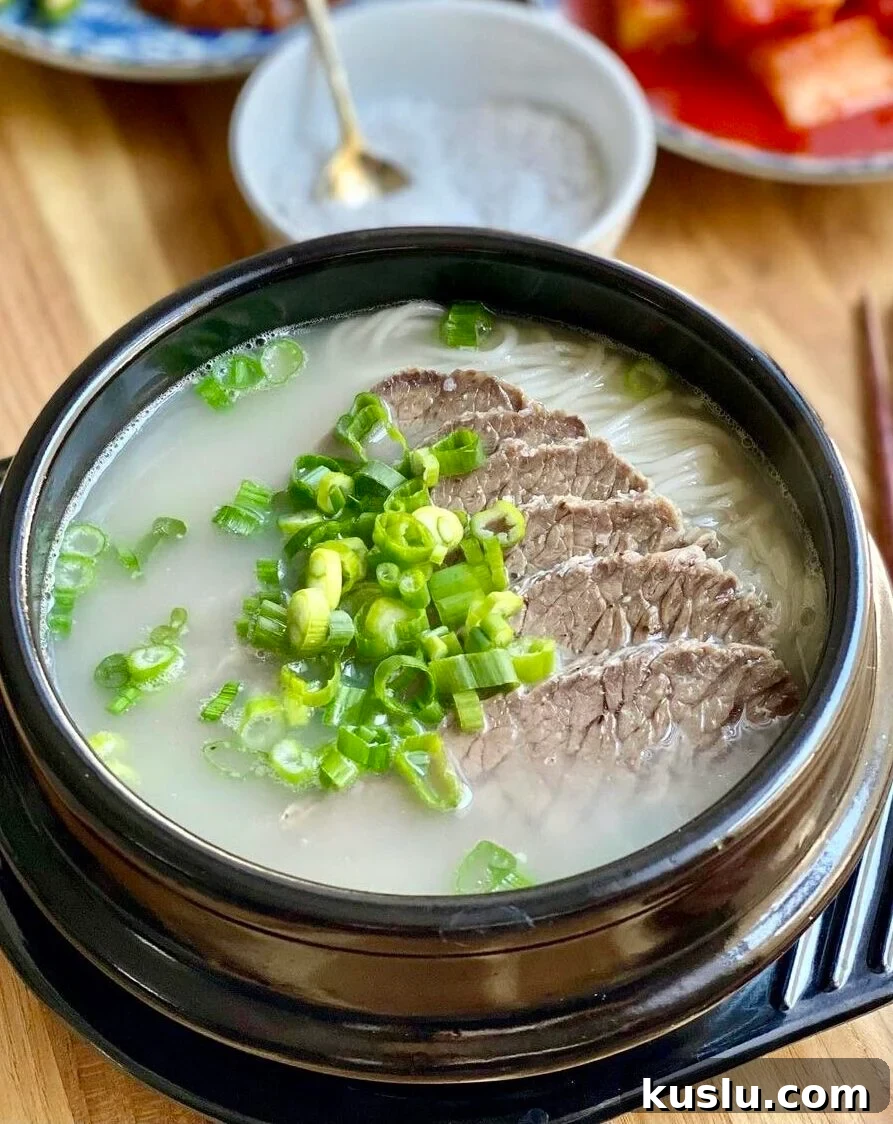
Seolleongtang is a rich, milky Korean beef-bone soup made by simmering ox bones for many hours. It’s a classic comfort dish served at restaurants and prized for its silky, nutrient-dense broth and tender slices of brisket.
In the 1990s my family ran a successful seolleongtang restaurant in Koreatown, Los Angeles. Making excellent seolleongtang is time-consuming — that’s why most people eat it out rather than preparing it at home unless they’re making very large batches.
What kind of bones to use
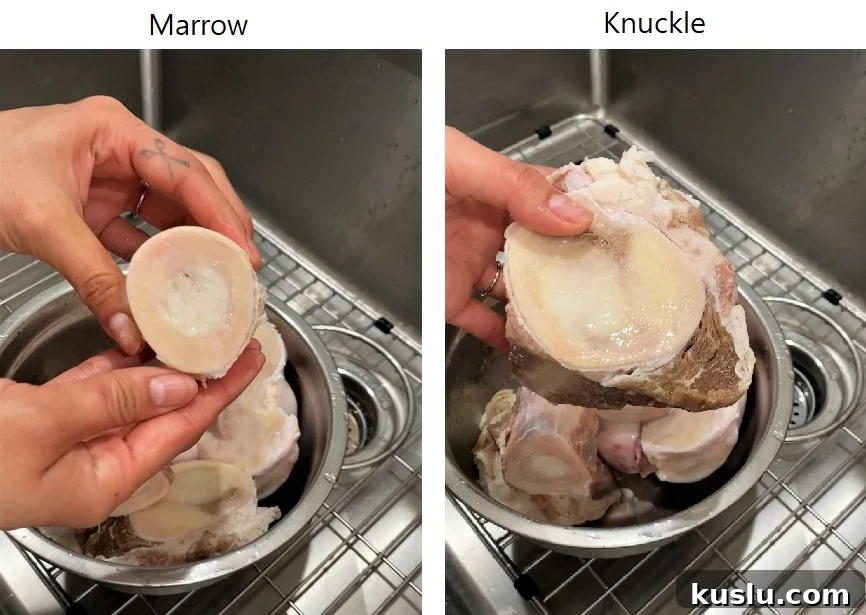
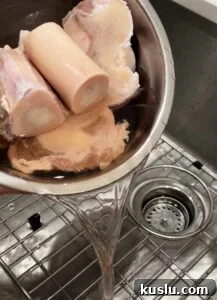
Traditionally, seolleongtang uses ox bones: marrow bones (사골), foot bones (우족), and knuckle bones (도가니). Korean markets often sell these bones together, though they’re sometimes available separately. I prefer a mix of marrow and knuckle bones for a good balance of flavor and collagen.
When selecting bones, look for ones that are white in the center and pale pink or white on the exterior. Avoid bones with excessive brown or yellow discoloration.
How to make seolleongtang
Plan to start early and set aside a full day. From experience, producing a deeply milky, collagen-rich broth takes at least 18 hours of total cooking time, spread across a few long boils.
Exact measurements aren’t strict — a few pounds of ox bones and plenty of water are the essentials. I’ve streamlined the process into one quick parboil followed by up to three long boils to extract the maximum flavor and body.
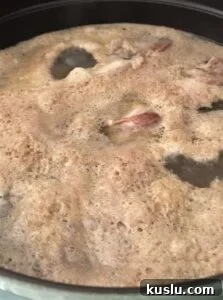
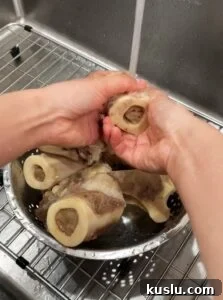
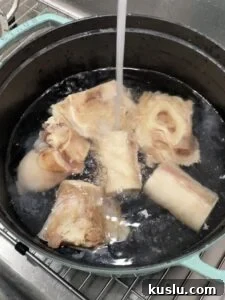
- Parboil: Place the bones in a pot, cover with water, and bring to a boil for about 10 minutes to remove scum. Drain and rinse the bones thoroughly under cold water. This step is essential for a clean broth.
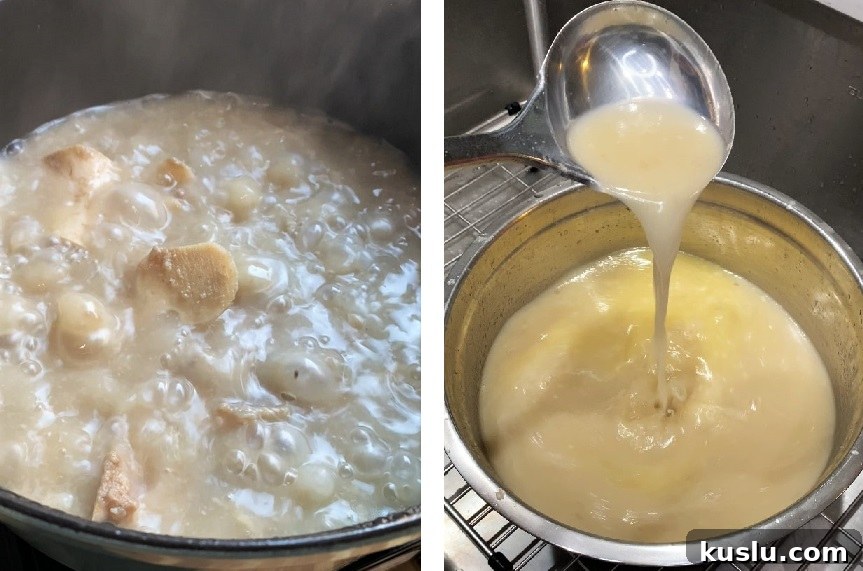
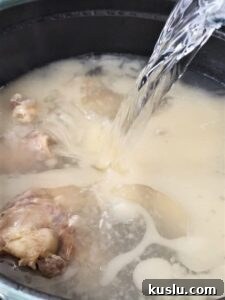
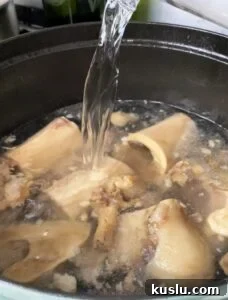
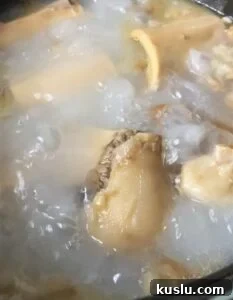
- First long boil (6 hours): Clean the pot, return the rinsed bones, cover with fresh water, and bring to a medium boil. Maintain a medium boil (not just a simmer) and add water as it evaporates, keeping the bones submerged. After about 6 hours you’ll get a milky broth; drain and reserve it in a large bowl.
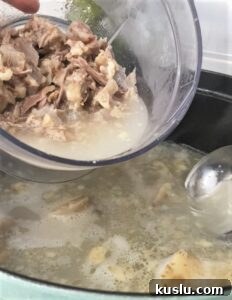
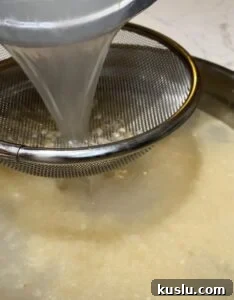
- Second long boil with blended meat (6 hours): Remove any remaining meat from the bones and blend it with a ladle of the broth until smooth. Return the bones to the pot, add water, and stir in the blended meat. Bring to a medium boil and continue for another 6 hours. Two hours into this boil, soak the brisket in cold water for 1 hour, then add it to the pot for the final three hours. When finished, remove the brisket to cool, strain this batch through a fine sieve into the reserved broth (this batch will be even creamier), and chill.
- Third boil (optional, 6 hours): Repeat the second long boil without adding more blended meat. This final boil yields a lighter, bright-white broth that complements the other batches. Use less extra water this time. You may skip this step but I recommend it for added depth.
The aim is a thick, opaque broth full of body from the bones. If the liquid stays clear, your heat may be too low — a medium boil is required to emulsify the marrow and collagen into the soup. A faint yellow tint from rendered fat is normal; you’ll remove it after refrigeration when the fat solidifies.
How to serve seolleongtang
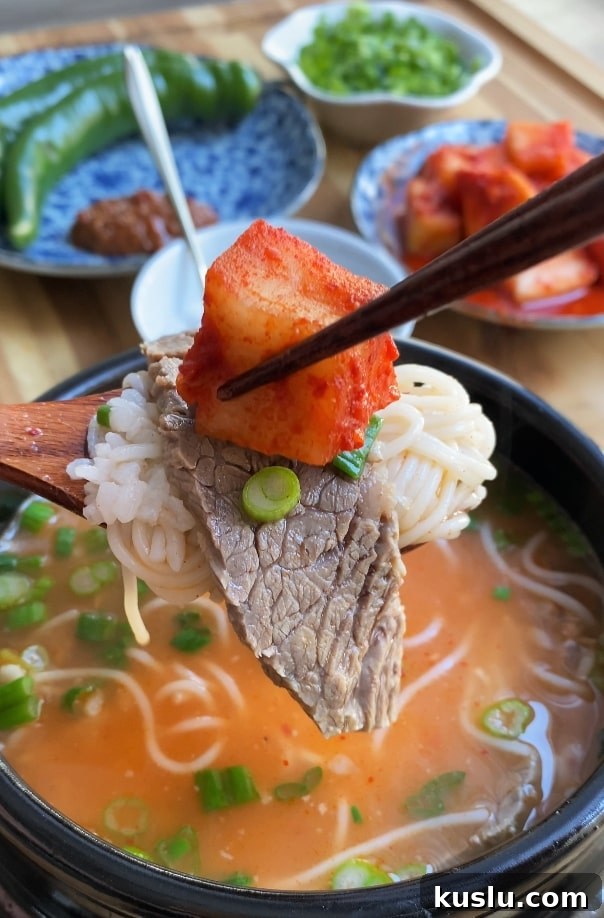
Seolleongtang is commonly served with rice, thin wheat noodles (somyeon), or both. Typical garnishes are chopped green onions and salt & pepper. The broth is intentionally unseasoned during cooking; diners season their bowls at the table to taste. I usually add about half a teaspoon of salt per bowl, plus a pinch of black pepper.
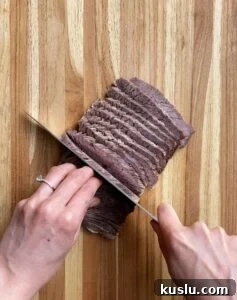
Kakdugi (cubed radish kimchi) is the traditional side and adds a bright, tangy contrast — its juice can also provide a pleasant spicy-sour kick in place of chili paste. Thinly sliced, tender brisket is a must. For extra enjoyment, serve with fresh Korean peppers and ssamjang on the side.
Pro Tip
Freeze any leftover broth in portions for later use. It’s versatile — use it for soups, stews, or even to ferment kimchi like kkakdugi; ox bone broth adds excellent depth to many Korean dishes.
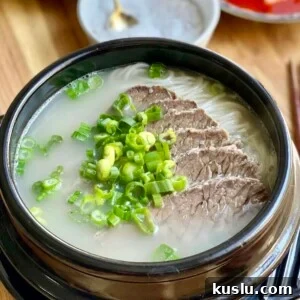
Seolleongtang (Ox Bone Soup)
Ingredients
- 4 lbs ox marrow & knuckle bones
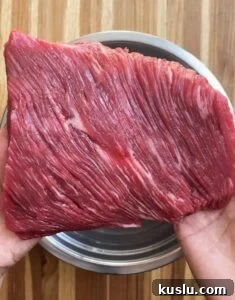
- 1-2 lbs brisket
For serving:
- salt & pepper
- chopped green onions
- somyeon noodles
- rice
Instructions
-
Soak the ox bones in water overnight in the refrigerator to remove as much blood as possible.

-
Drain, place the bones in a large stockpot, cover with water, and bring to a boil. After about 10 minutes, scum will form; remove from heat and drain completely.
-
Wash the bones thoroughly until no scum remains.
-
Clean the pot, return the bones, cover with fresh water, and bring to a medium boil (covered) for 6 hours, adding water as needed so bones remain submerged.
-
Monitor the water level and top up occasionally. After several hours the broth should become milky. When the 6 hours are up, strain the broth into a large bowl and let it cool completely before refrigerating.
-
Remove any remaining meat from the bones and set it aside. Return the bones to the pot and cover with water again.
-
Blend the removed meat with a little of the stock until smooth, then add the blended meat back to the pot. Bring to a medium boil and cook covered for another 6 hours.
-
Two hours into this second boil, soak the brisket in cold water for 1 hour, then add it to the pot for the final three hours of the boil. When done, remove the brisket and cool completely before refrigerating.
-
Strain this batch through a fine sieve into the reserved broth (it will contain blended meat particles). Cool completely and refrigerate.
-
(Optional) Return the bones to the pot for a final 6-hour boil, adding only a small amount of water as needed. When finished, drain, cool, and refrigerate until the fat solidifies on top.
-
Skim and discard the solidified fat from the top of the chilled broth. Reheat portions as needed and freeze leftovers for future use.
-
While the broth cools, thinly slice the brisket (the thinner the slices, the better).
-
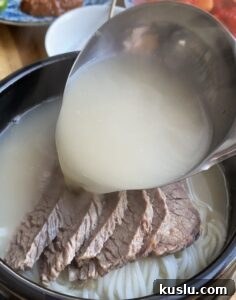
To serve: place cooked rice and/or somyeon noodles in a bowl, top with brisket slices, ladle hot broth over, then season with salt, pepper, and chopped green onions to taste.
Nutrition information is automatically calculated and should be used as an approximation.