Storing apples is one of the simplest and most satisfying ways to begin home food storage. Our journey into root cellaring didn’t start with an elaborate setup — just apples tucked into the coolest corner of our basement. I wanted to know how long they would keep, and the result surprised me.
Even if you don’t have a traditional root cellar, with a bit of planning and the right varieties you can keep apples fresh for many months, and sometimes for more than a year.
I’d long imagined a hillside root cellar dug into the earth, but our high water table ruled that out. The good news is you don’t need a classic underground cellar to practice root cellaring.
Reading the book Root Cellaring: Natural Cold Storage for Fruits and Vegetables changed my approach. It lays out what different crops need to stay fresh and shows how ordinary pantries, closets, basements, or even apartments can be adapted into effective cold storage.
In our house the back corner of the basement is the best spot. Being below grade it stays around 55°F year-round. That’s warmer than ideal (apples prefer near-freezing with high humidity), but it’s still excellent for long-term storage if you select the right techniques and varieties.
How to Store Apples Without a Root Cellar
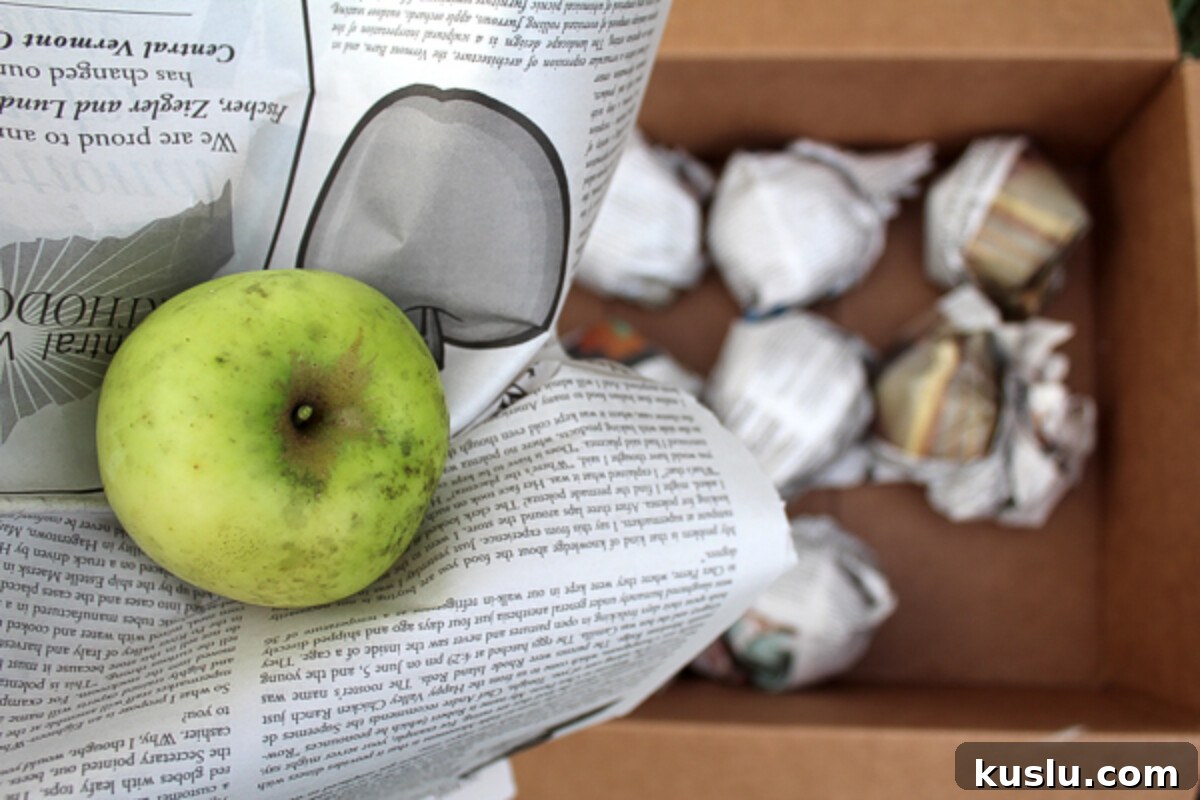
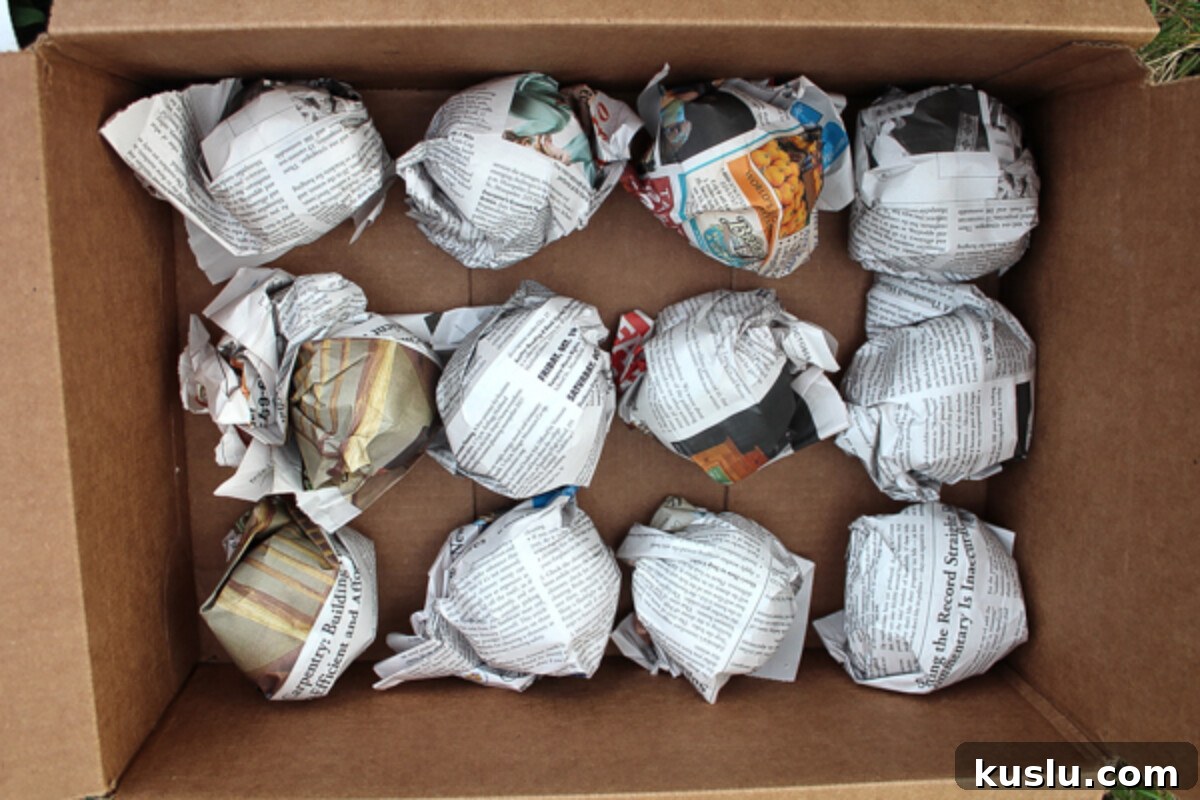
Our most reliable method is straightforward: wrap each apple in newspaper and lay them in shallow boxes in a single layer so they aren’t touching. This prevents one bad apple from spoiling the whole batch.
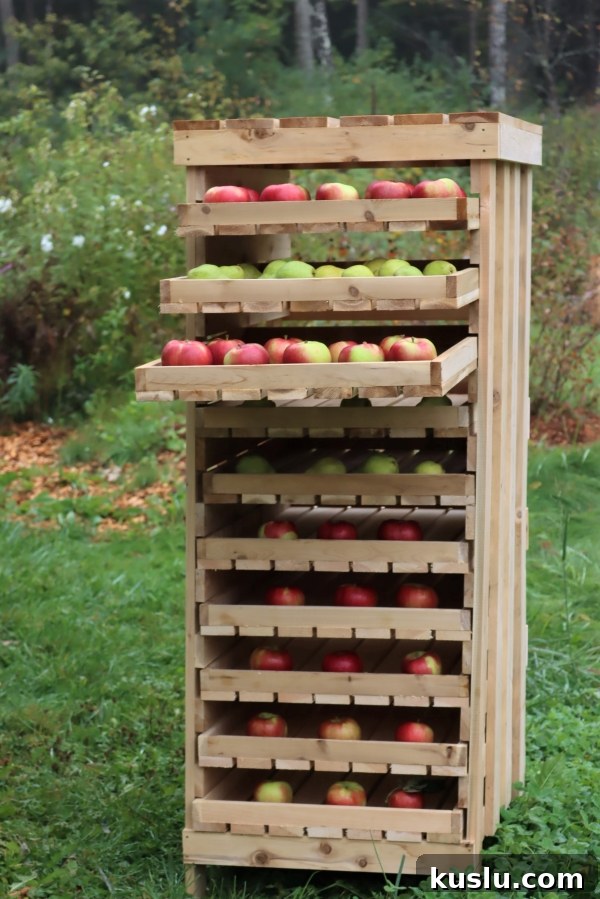
We use plain cardboard boxes now, though I’ve eyed purpose-built orchard racks. For many people a few boxes in a cool, dark corner work very well. (We later built our own apple storage rack, which improved organization but didn’t change the basic technique.)
That first season I expected the fruit to last only a few months, maybe until Christmas. When December arrived the apples were as crisp as when we packed them. We used some for pie and left the rest out of curiosity. By the following Christmas — about 14 months after harvest — they were beginning to break down but still made a fine pie.
Best Apple Varieties for Long-Term Storage
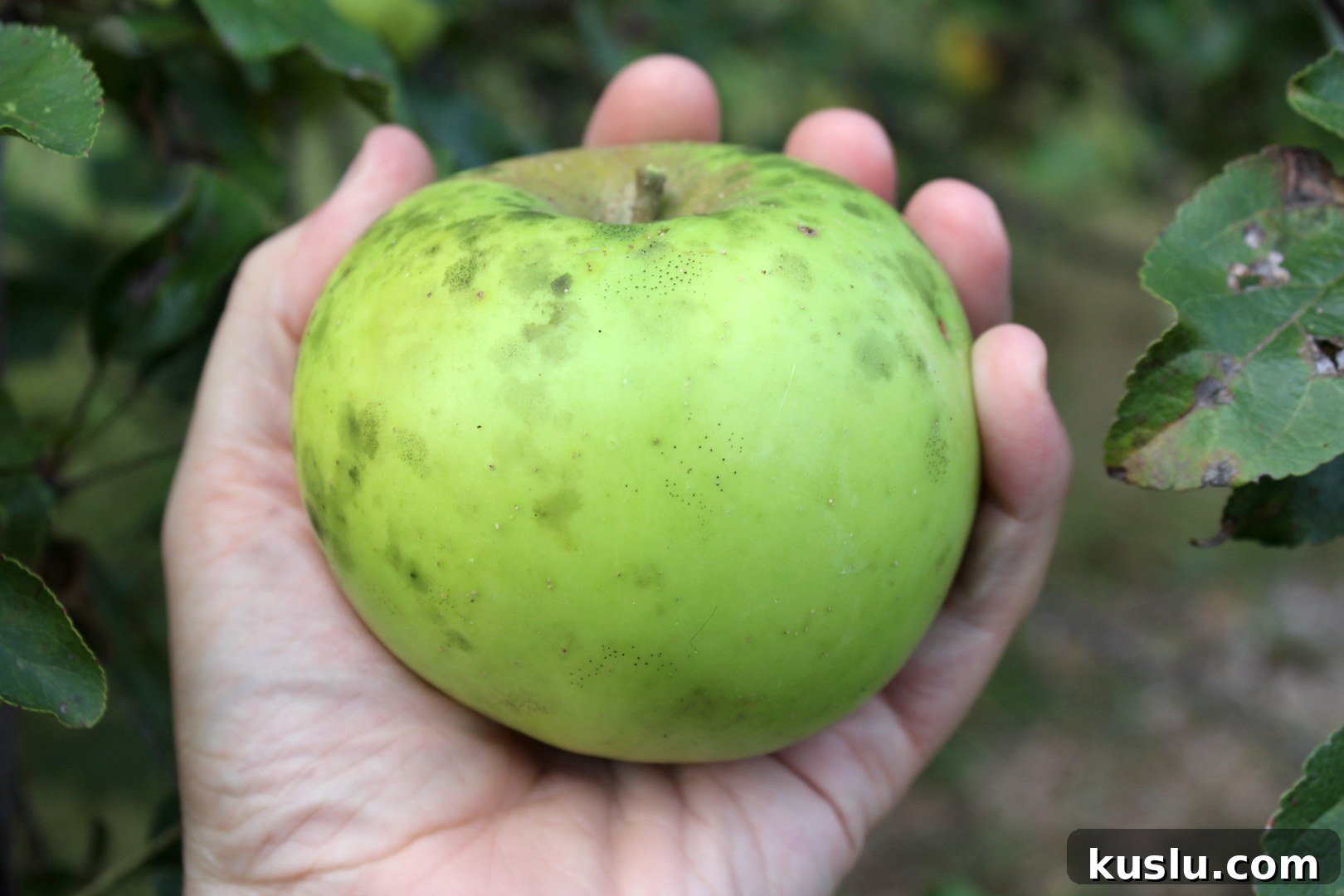
The apple tree that came with our house turned out to be Newton Pippin, a classic storage apple. It’s widely regarded as one of the best varieties for keeping. Newton Pippins develop their best flavor after several months in storage: fresh off the tree they’re fine, but by midwinter they’re outstanding.
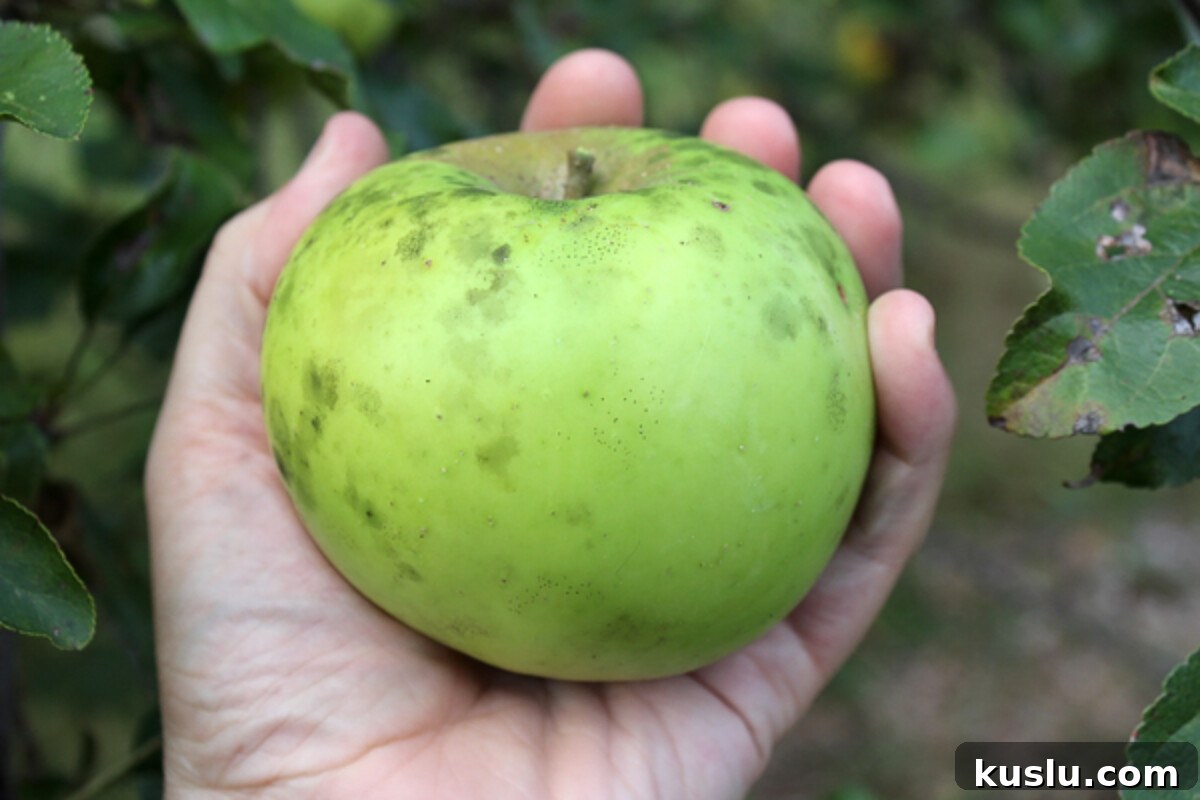
Most references suggest about eight months of storage for Newton Pippin under ideal conditions, but in our basement they often last longer. After eight months they may wrinkle slightly and lose some snap—likely from lower humidity—but they remain usable and flavorful for baking and eating.
A key rule: store only perfect, bruise-free apples. Any that are damaged go straight to our cider press or into preserves like canned cider, pie filling, or jam. Small blemishes can be processed, but only flawless fruit should go into long-term storage.
We’ve tried other long-keeping varieties using the same newspaper-and-box method with good results. Ashmead’s Kernel, Honeycrisp, and Northern Spy have all kept well for eight months or more. Honeycrisp was a pleasant surprise — not only an excellent eating apple but also one of the best for storage; some breeders note its remarkable keeping ability.
Because of that, we planted two Honeycrisp trees with the hope of having homegrown apples all winter. Other reliable long-keeping varieties include Stayman-Winesap, York Imperial, Arkansas Black Twig, Baldwin, Ben Davis, and Rome Beauty — all known to last six months or more under proper conditions.
I plan to try saving some fruit long enough to compare last fall’s apples with the earliest summer apples. Our Yellow Transparent apples ripen in July, so it will be fun to see a side-by-side of seasons.
Update: It’s late March and we still have two feet of snow. We’re eating apples harvested last September; their skin has deepened and flavors have mellowed, but they remain crisp and delicious. I hope to save a few until July to photograph next to our earliest Yellow Transparent harvest.
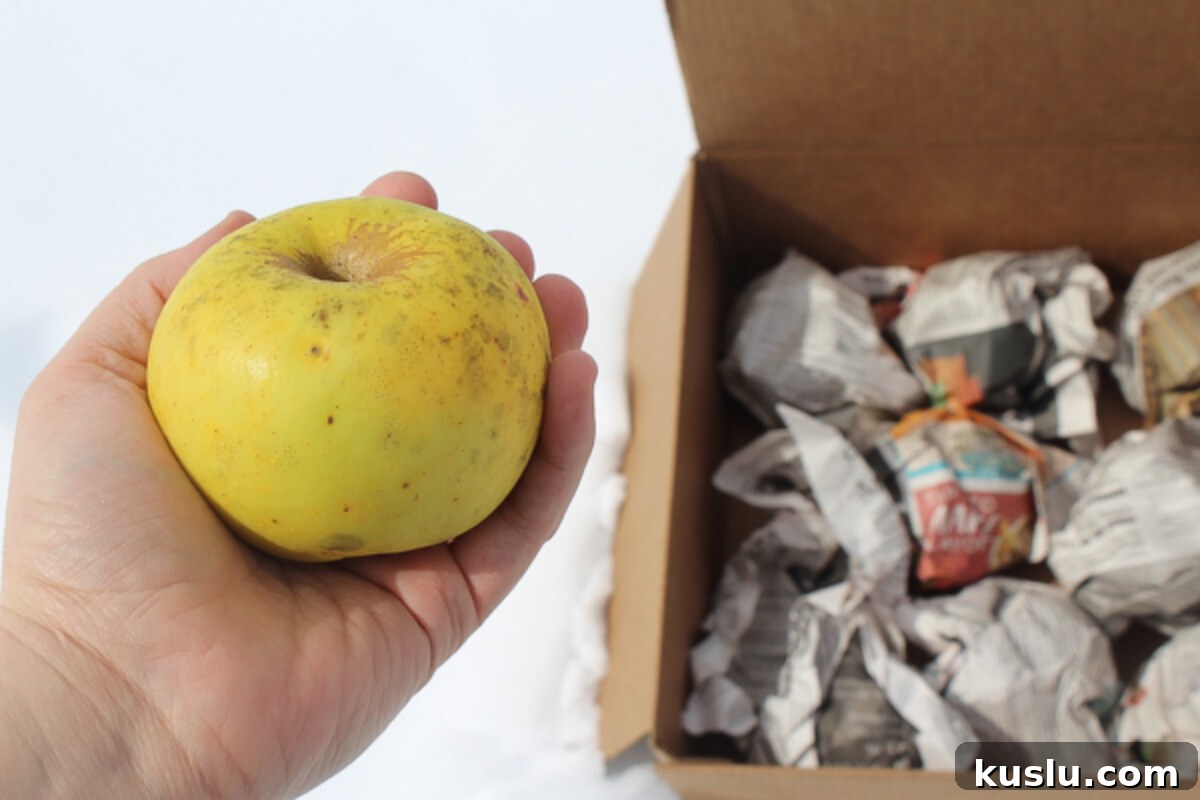
Second Update: We successfully stored Newton Pippin apples in our basement for 14 months using this technique. Harvested in October, they were still good a full year later and made an excellent Christmas pie.
Have you tried storing apples at home? Whether you have a basement nook or a cool pantry, it’s worth experimenting. Leave a note in the comments to share your experience — I’d love to hear how it goes.