
If you’re looking to lower your grocery bill, these 10 practical strategies can help your household stick to a weekly budget. From meal planning and scouting deals to using different meat cuts and cooking from scratch, these tips aim to reduce costs without sacrificing flavor or nutrition.

With rising prices, tightening the purse strings is essential for many families. Groceries are one of the easiest places to make meaningful savings. Below are ten effective ideas to help you cut costs while still feeding your family well.
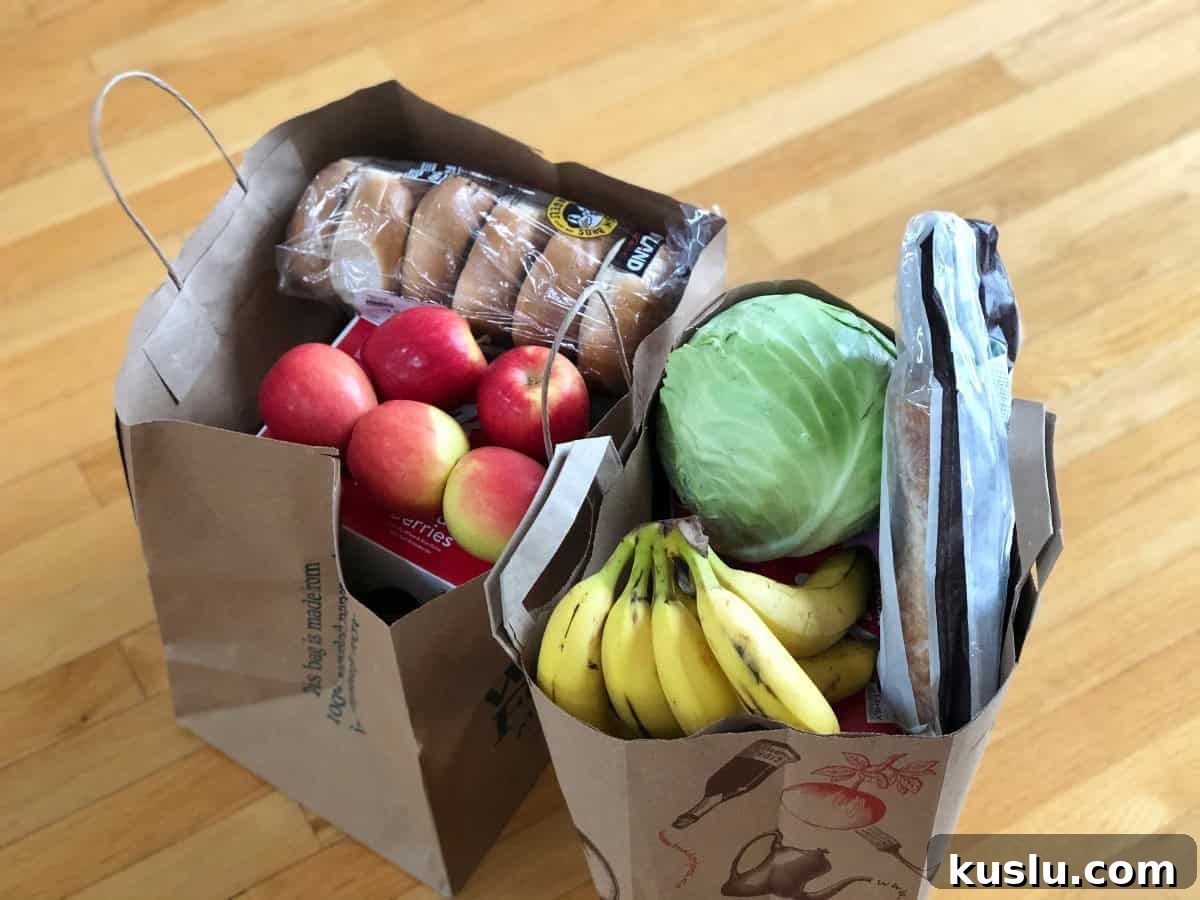
10 ways to save on groceries
1. Plan Ahead
Create your menu and shopping list before leaving home and stick to it. Planning around store ads and weekly sales helps you buy what’s on offer and avoid impulse purchases. Use a meal planner or a categorized grocery list to keep things organized. If possible, place pickup or delivery orders—these methods reduce impulse buys and save time, especially when shopping with children.

2. Check Out Store Coupons
Use coupons selectively for items you already buy. Compare coupon values across brands and pair coupons with store sales to maximize savings. Many retailers offer digital coupons, and occasional mailed coupons can yield freebies or steep discounts—just make sure the deal is genuinely better than other options.
3. Shop at the Right Time
Shop during off-peak hours to move through aisles calmly and compare prices. Also learn when stores mark down perishable items—many stores discount meat, fish, and bakery items at predictable times. Shopping the day before new sales start or during markdown windows can score you items at a fraction of the original price.
Knowing store patterns for markdowns—like certain evenings for discounted meat or produce—pays off if you’re flexible about timing.

4. Bulk Purchases
Buying larger quantities usually lowers the unit price. Check shelf labels for per-unit costs—or calculate them yourself—to confirm the better buy. Bulk is smart for items you use regularly, like condiments or pantry staples. Warehouse clubs can offer savings, but always compare unit prices and ensure you’ll use what you buy to avoid waste.
If you have limited storage or won’t use the product before it deteriorates, buying in bulk may not save you money in the long run.
5. Be in a Good State of Mind
Avoid shopping hungry or stressed; both states lead to impulse purchases and convenience items. Shopping with a clear plan helps you resist temptations and stick to healthier, lower-cost choices.

6. Cook from Scratch
Preparing food from scratch usually costs less than buying pre-made or processed items. Homemade pizza dough, pancakes, sauces, and condiments can stretch your budget and improve quality. Once you learn basic recipes, you can make large batches and freeze portions for later, saving both time and money.
7. Buy a Variety of Meat Cuts
Choose less expensive cuts that can be just as tasty when cooked properly. Roasts, flank or skirt steak, and stew meat are often cheaper per pound and can feed more people. Marinating, braising, or slow-cooking tougher cuts transforms them into tender, flavorful meals. Ask your butcher for tips or recipe cards for unfamiliar cuts.

If feasible, consider buying larger quantities directly from a farmer—such as a quarter or half cow—to lower the per-pound cost and stock your freezer for months.
8. Eat More Vegetables
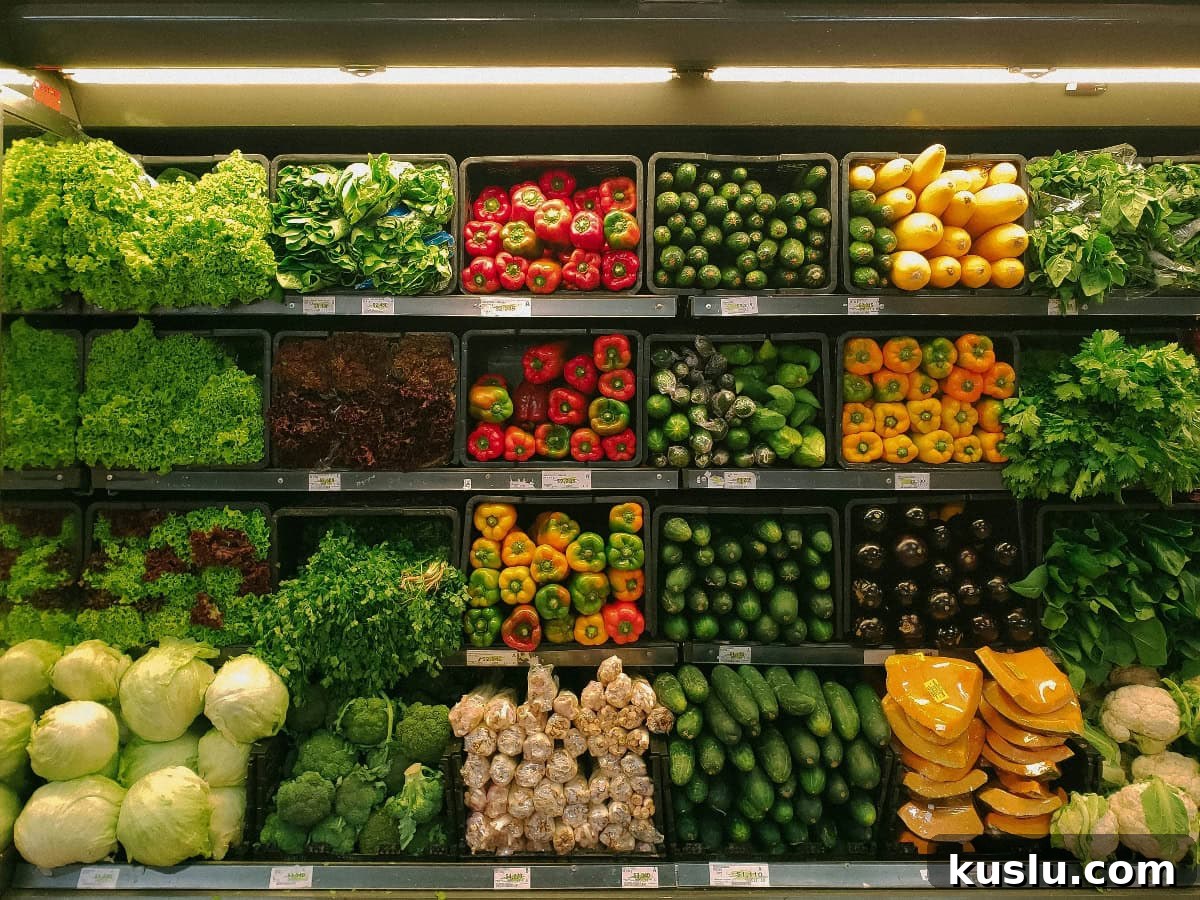
Vegetables are often less expensive and more filling than large portions of meat. Increasing vegetable servings and reducing meat portions can lower costs and boost nutrition. Use seasonal produce for the best prices and flavor.
9. Try Discount Stores
Don’t limit shopping to traditional grocery chains. Discount retailers, dollar stores, and drugstores often carry good deals on pantry items and household staples. Compare prices before buying, and be open to switching brands when quality is comparable. Stores like Aldi can offer substantial savings on many everyday items.
10. Stock Up on In-Season Items
Buy seasonal produce and sale-priced meats and freeze extras for later use. Turkeys, hams, sausages, and seasonal fruits often go on deep discounts—buying and freezing them extends savings throughout the year. Freezing surplus fruit for smoothies or baking is an easy way to preserve value.
Enjoy berries in early summer, apples in the fall, and winter squash in cold months. When something is a particularly good deal, buy extra and freeze or preserve it for future meals.
Like this post? Check out my How to Cut Out Processed Foods
Make sure to PIN IT!