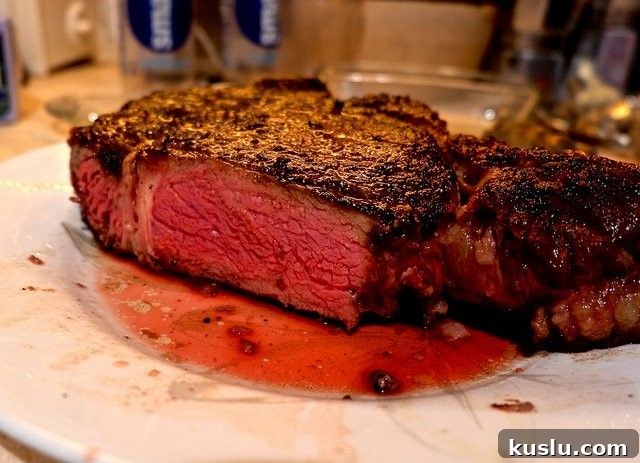
Reverse sear refers to finishing a thick steak or other large cut of protein over very high heat after it has been gently cooked at a low temperature—commonly by sous vide or in a low-temperature oven. This two-step approach develops rich browning and flavor, reduces the risk of overcooking, and produces an attractive crust and uniform doneness. Below is a clear, user-friendly overview of the technique, its history, benefits, and a practical sous vide-based method.
History of Reverse Searing
Often described as “cooking your meat backwards,” reverse searing emerged when cooks began experimenting with low-and-slow cooking followed by high-heat finishing. The method has roots in sous vide practices, adapted for home and professional kitchens seeking consistent results. Some cooks call it the “Finney method” after Christopher Finney, who used this approach for barbecued meats in the early 2000s.
Food writer and scientist J. Kenji López-Alt popularized a version of reverse searing for Cook’s Illustrated by pairing slow oven cooking with a final hot-pan sear. He found that slow, controlled heating followed by a brief, intense sear produced tender, evenly cooked steaks with minimal gray banding. That 2007 recipe helped bring the technique into mainstream home cooking.
Why Reverse Sear?
Searing does not “seal in” juices. What searing does accomplish is triggering the Maillard reaction—a chemical process between amino acids and sugars at high heat that browns the surface and creates complex, savory flavors often described as toasty, caramelized, nutty, or “steak-like.”
The reverse sear gives you the advantages of precise internal doneness and a pronounced crust. Starting the protein at low temperature—whether sous vide, a low oven, or indirect grill heat—lets the interior heat gradually and evenly. This slow approach gives collagen and connective tissues time to denature and soften, producing a more tender result.
Low-temperature preparation also widens the margin for error. High-heat-only cooking risks overbrowning or charring the exterior while leaving the center underdone. Reverse searing minimizes that risk by bringing the interior almost to its final temperature first, then applying a short, intense sear to finish and flavor the exterior.
How to Reverse Sear Using Sous Vide
In essence, reverse searing is simple: cook the protein at low temperature until it reaches the desired internal doneness, then finish with high heat to form a brown, flavorful crust. The steps below outline a reliable method for a 1½-inch New York strip steak; adjust times and temperatures for other cuts and thicknesses.
- Pat the steak dry before sealing—this helps when vacuum-sealing and reduces trapped moisture that can interfere with browning.
- Season and add aromatics as desired (rosemary, crushed garlic, freshly ground black pepper, and kosher salt are classic choices), then vacuum-seal the steak.
- Set your sous vide circulator to the target internal temperature for your preferred doneness and bring a water bath to that temperature.
- Submerge the sealed steak and cook for the recommended time based on thickness—this ensures even cooking through the center.
- When the sous vide step is complete, remove the steak from the bag and thoroughly dry the surface. Removing surface moisture is critical to achieving a true sear rather than steaming the exterior.
- Heat a cast-iron skillet until extremely hot, or preheat a broiler, and sear the steak briefly on each side until a deep brown crust forms. Keep in mind that longer searing will raise the internal temperature, so finish quickly for best results.
Allow the steak to rest briefly after searing to let juices redistribute, then slice and serve. This approach delivers a tender, evenly cooked interior with a flavorful, caramelized exterior.
Contributor:
This article was written by Stephanie Searor, MS RD LDN.
References:
- FoodFireFriends — overview of reverse sear methods and history.
- Serious Eats — detailed testing and explanation of the reverse sear technique.