
Have you ever noticed people eating dessert before the main course? Although it may seem unusual in some places, serving sweets first is a normal and meaningful practice in many cultures. Food customs vary widely around the world, and what looks odd to one person may be a respected tradition for another.
In several societies, sweets are more than a treat: they can aid digestion, mark celebrations, set the tone for a meal, or simply offer comfort. Learning why dessert sometimes comes first reveals how food connects to culture, mood, and wellbeing.
Helps Prepare the Digestive System

A sweet bite before a meal can stimulate digestion. Sugar provides a quick energy signal that helps the stomach and digestive enzymes prepare for more substantial food. In parts of India, people traditionally have a small sweet, such as jaggery, before a meal to support digestion. That practice is both practical and pleasant.
Boosts Appetite

Eating something sweet can increase appetite. Sugar triggers insulin release, which affects blood sugar and can make people feel hungrier. A small sweet starter can encourage children or older family members to eat more of the main meal and often makes the dining experience more enjoyable.
Symbol of Celebration

In many regions, serving dessert first signals joy and celebration. For example, dates or sweet drinks are often presented at the start of meals during festive or religious occasions in parts of the Middle East. Offering something sweet sets a positive tone and emphasizes hospitality and goodwill.
Tradition and Habit

Many people grow up eating sweets first simply because it’s how meals have always been served in their families or communities. Such habits are passed down through generations and become part of daily life. For instance, some Ethiopian meals begin with sweet honey wine, reflecting long-standing customs.
Encourages Mindful Eating

Starting a meal with dessert can slow the pace and invite savoring. Rather than rushing through to the “good part,” diners begin with enjoyment, which can set a relaxed, thoughtful tone. In cultures that emphasize leisurely meals—like France—this approach supports enjoying every bite.
Balances Spices and Flavors

When main dishes are very spicy or intensely flavored, a sweet starter can prepare the palate and soften strong tastes. In Thailand, for example, sweet-sour appetizers are common and help the mouth adjust for the complex flavors that follow.
Keeps Energy Steady

A small sweet can provide a quick energy lift when meals are slow to arrive or consist of multiple courses. In countries where dining is a long, social event—such as Italy—a sugary start helps keep people alert and engaged throughout the meal.
Part of the Welcome Ritual
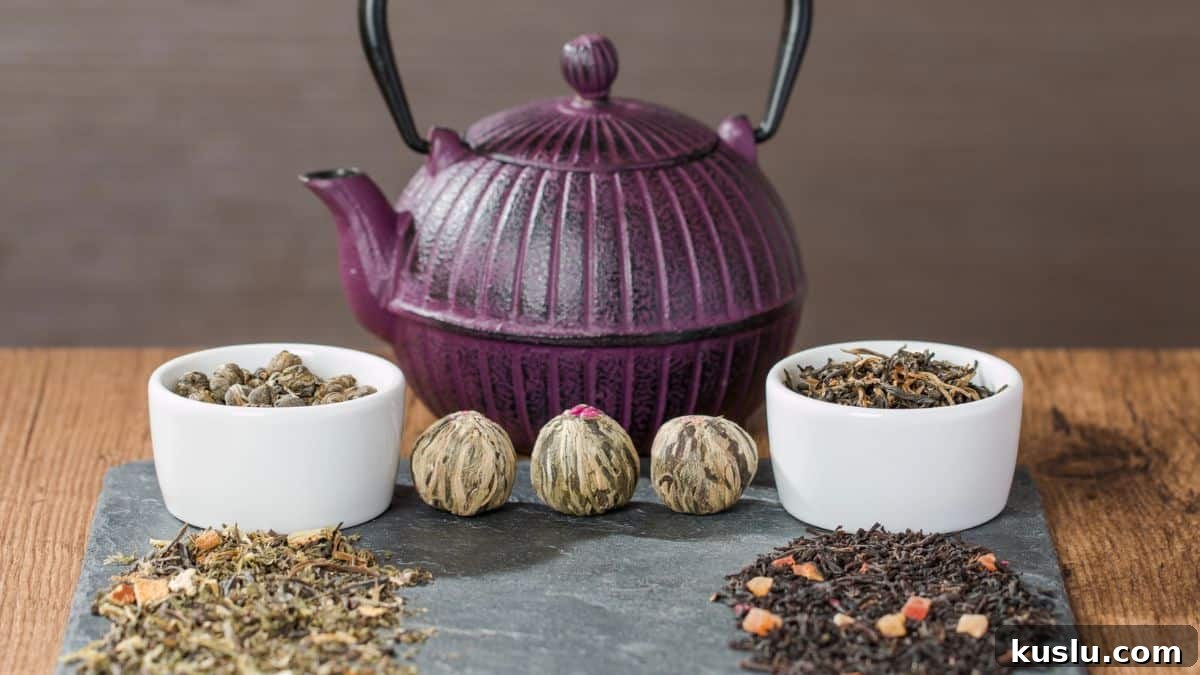
Offering something sweet upon arrival is a common sign of welcome in many cultures. In Turkey, guests might receive Turkish delight or a sweet tea when they enter a home. These gestures express warmth and hospitality and help build connection before the meal begins.
Encourages Social Bonding

Starting with dessert is common in social settings where the goal is relaxation and fun. Parties and family gatherings often begin with shared sweets or pastries to break the ice and create a cheerful atmosphere. In many Latin American celebrations, pastries or sweet breads are among the first items shared to foster joy and togetherness.
Saves the Best for First

Some people prefer to enjoy the best part of a meal right away rather than saving it for later. A common mindset—expressed in sayings like “eat the best first”—values the present moment and the immediate pleasure of eating.
Honors Childhood Favorites
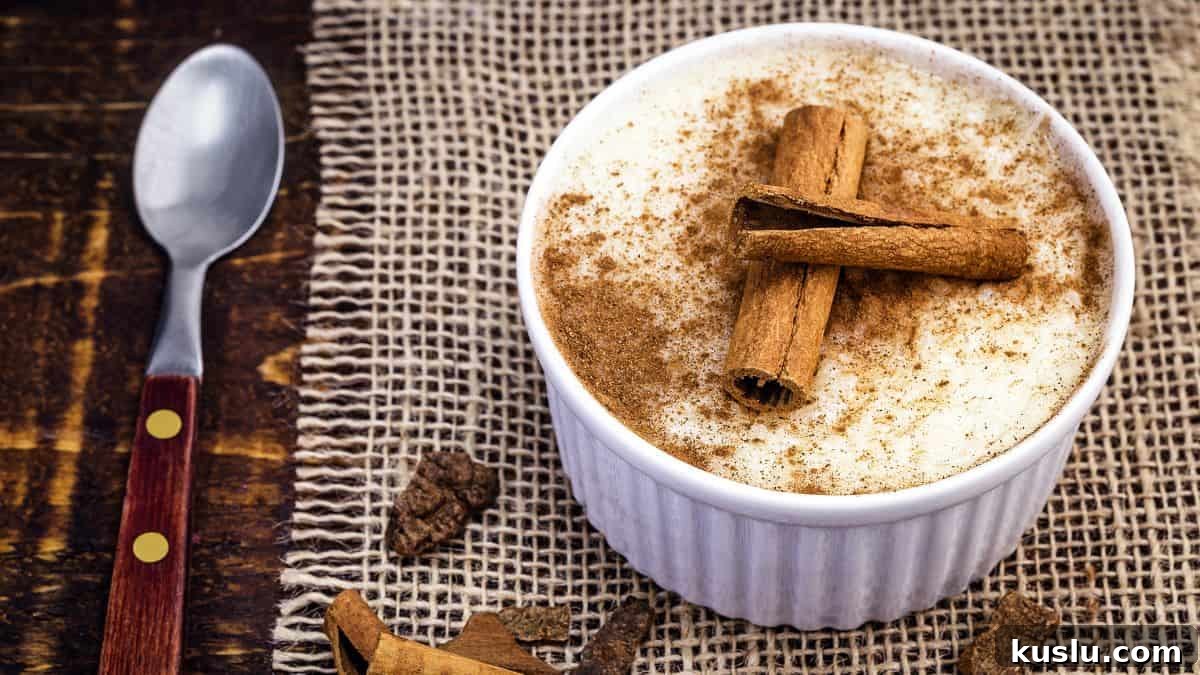
Beginning a meal with dessert can evoke comforting memories from childhood. Simple sweets—like a spoonful of rice pudding, a slice of cake, or a honeyed bite—bring nostalgia and emotional warmth to the table, turning an ordinary meal into a memorable moment.
Keeps Portion Sizes Balanced

Starting with a modest dessert can reduce the desire for large portions of heavier dishes that follow. That sweet beginning can satisfy cravings and promote mindful choices during the rest of the meal, helping some people manage portion control without completely giving up desserts.
Supports Blood Sugar Control in Some Diets
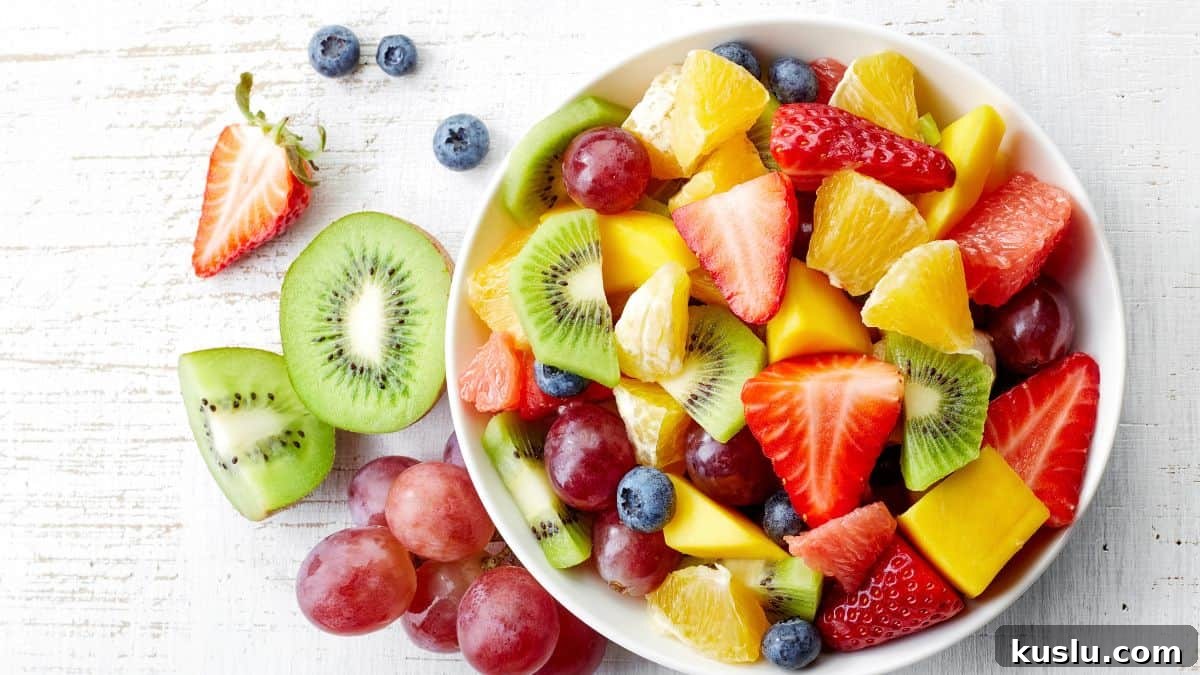
For people managing blood sugar, a small sweet paired with fiber and protein later can help moderate glucose spikes. In some approaches to breaking a fast, fruit or similar dessert-like foods are used to ease back into eating. Choosing options such as berries with nuts or a bit of dark chocolate makes this strategy more effective.
Celebrates Local Ingredients
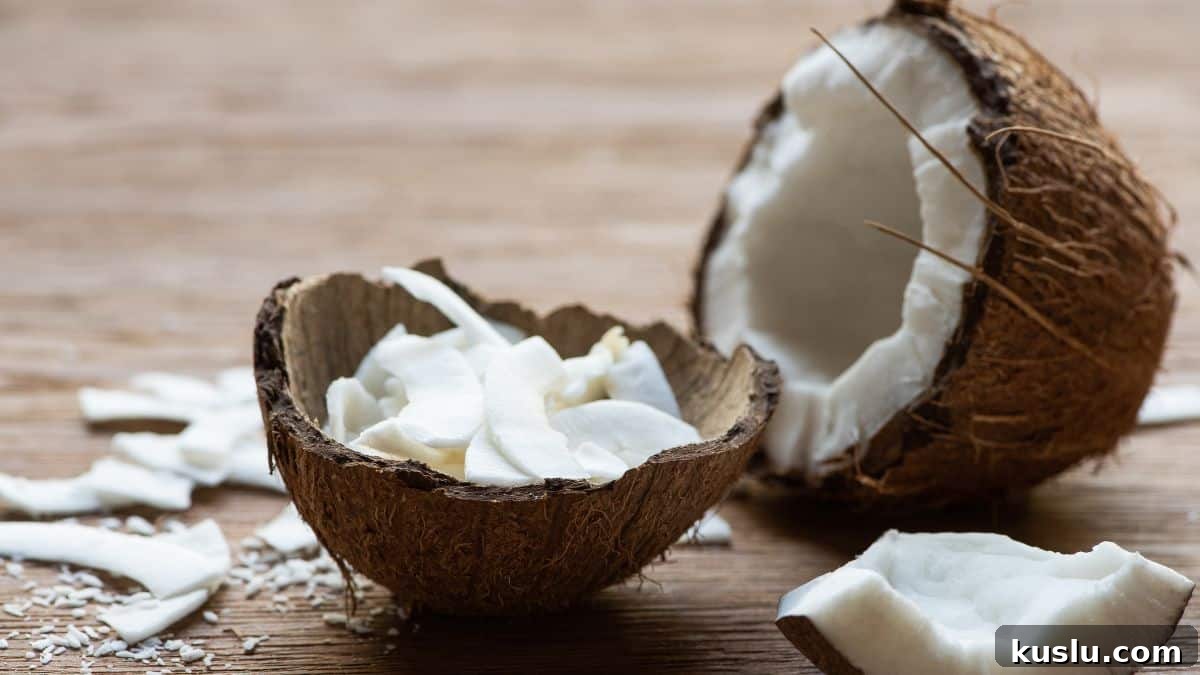
Serving dessert first is also a way to showcase local ingredients like honey, coconut, or seasonal fruits. In Caribbean and other tropical cuisines, sweet treats made from plantain or coconut often open a meal and celebrate regional flavors and cultural identity.
Makes Meals Feel More Fun

Ultimately, many people choose dessert first simply because it makes the meal more enjoyable. A sweet beginning can brighten the atmosphere and bring smiles. That lighthearted approach has inspired modern cafes and restaurants to offer “dessert first” menus, proving that sometimes pleasure is reason enough.