Every time I shop for coconut oil I face two main choices: refined or unrefined. Unrefined varieties usually cost more, so is the price difference justified? What sets them apart and which is better for your needs? Read on to learn the key differences and how to choose.
Let’s Start at the Beginning
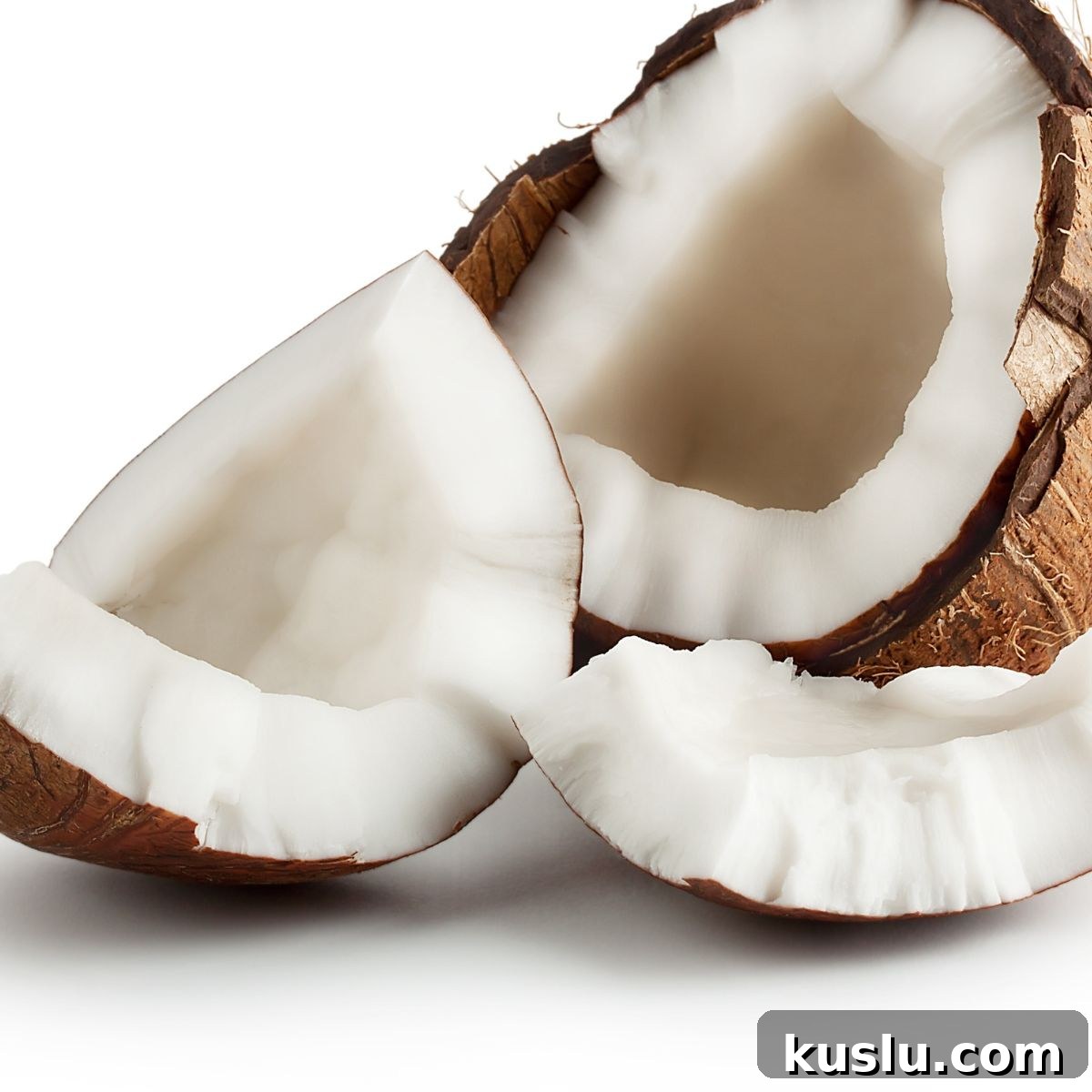
All coconut oil is made from the meat of the coconut. The primary difference between refined and unrefined coconut oil is the condition of that meat when the oil is extracted. Unrefined coconut oil is produced from fresh coconut meat, while refined coconut oil is made from dried coconut meat (copra).
Generally, “unrefined” indicates less processing and a product that retains more of its natural compounds. In the case of coconut oil, unrefined varieties typically undergo less processing and tend to be closer to the oil’s original state.
Unrefined vs. Refined
Unrefined Coconut Oil
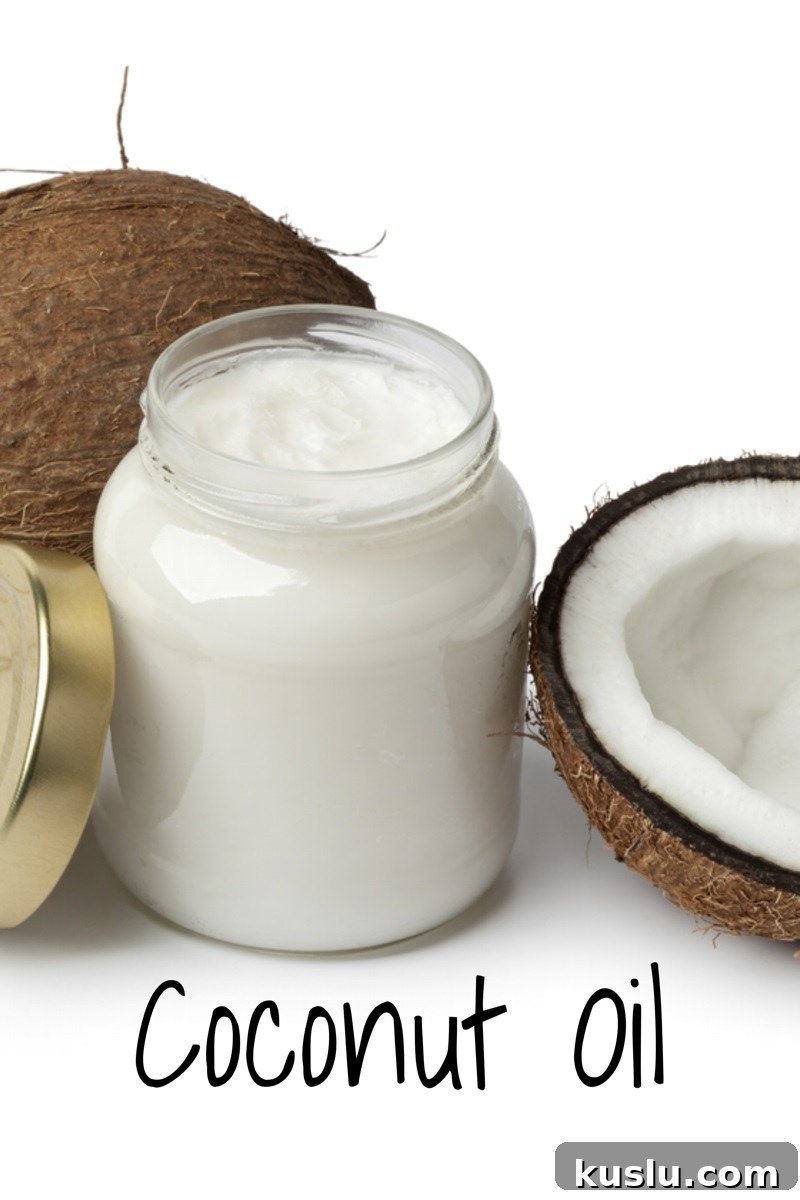
Unrefined coconut oil is often labeled as virgin or pure coconut oil. It’s made by extracting oil from fresh coconut meat using dry or wet processing, commonly finishing with cold pressing to separate the oil.
Unrefined coconut oil retains a coconut flavor and aroma and typically has a lower smoke point around 350°F (about 177°C). Because it is less processed, it preserves more of the natural smell and taste.
Refined Coconut Oil
Refined coconut oil is produced from dried coconut meat and undergoes additional processing to neutralize flavor and aroma. The refining process often includes deodorizing and filtering to remove impurities; this yields a neutral-tasting oil suitable for recipes where coconut flavor is not desired.
Some manufacturers also use hydrogenation, which can introduce trans fats, so it’s important to check labels. Refined coconut oil has a higher smoke point—around 400°F (about 204°C)—making it a better choice for high-heat cooking methods.
How to Shop for Coconut Oil
Unrefined or virgin coconut oil is usually straightforward to identify and often comes from organic sources. If you prefer minimal processing and a more natural product, choose unrefined.
If you opt for refined coconut oil, research the manufacturer’s refining methods and prefer oils refined by natural processes such as steam rather than chemical treatments. Refined options are typically less expensive and useful when you want neutral flavor or need a higher smoke point.
What Else Should I Know?
- Coconut oil melts at about 76°F (24°C). In warm weather or climates, your coconut oil may be liquid at room temperature. This is normal and does not affect quality.
- When using melted coconut oil in recipes, bring other liquid ingredients (eggs, milk, etc.) to room temperature. Cold ingredients can cause the oil to solidify again, making mixing more difficult.
- You can substitute coconut oil 1:1 for butter or other oils in most recipes. It works well in baking, including recipes that require creaming butter and sugar together.
For most of my cooking and baking I choose unrefined coconut oil because it undergoes less processing and is closer to its natural form. In many baked goods the coconut flavor is not noticeable, so I appreciate the cleaner ingredient profile.
Curious About Other Common Ingredients?
If you want to compare other pantry staples, consider reading articles on olive oil selection and egg labeling to help make informed choices when shopping.
(picture from iStock photos)
Notes:
When selecting coconut oil, focus on processing methods and ingredient lists. Choose unrefined for minimal processing and preserved flavor, or choose a quality refined oil when you need a neutral taste or higher smoke point.