
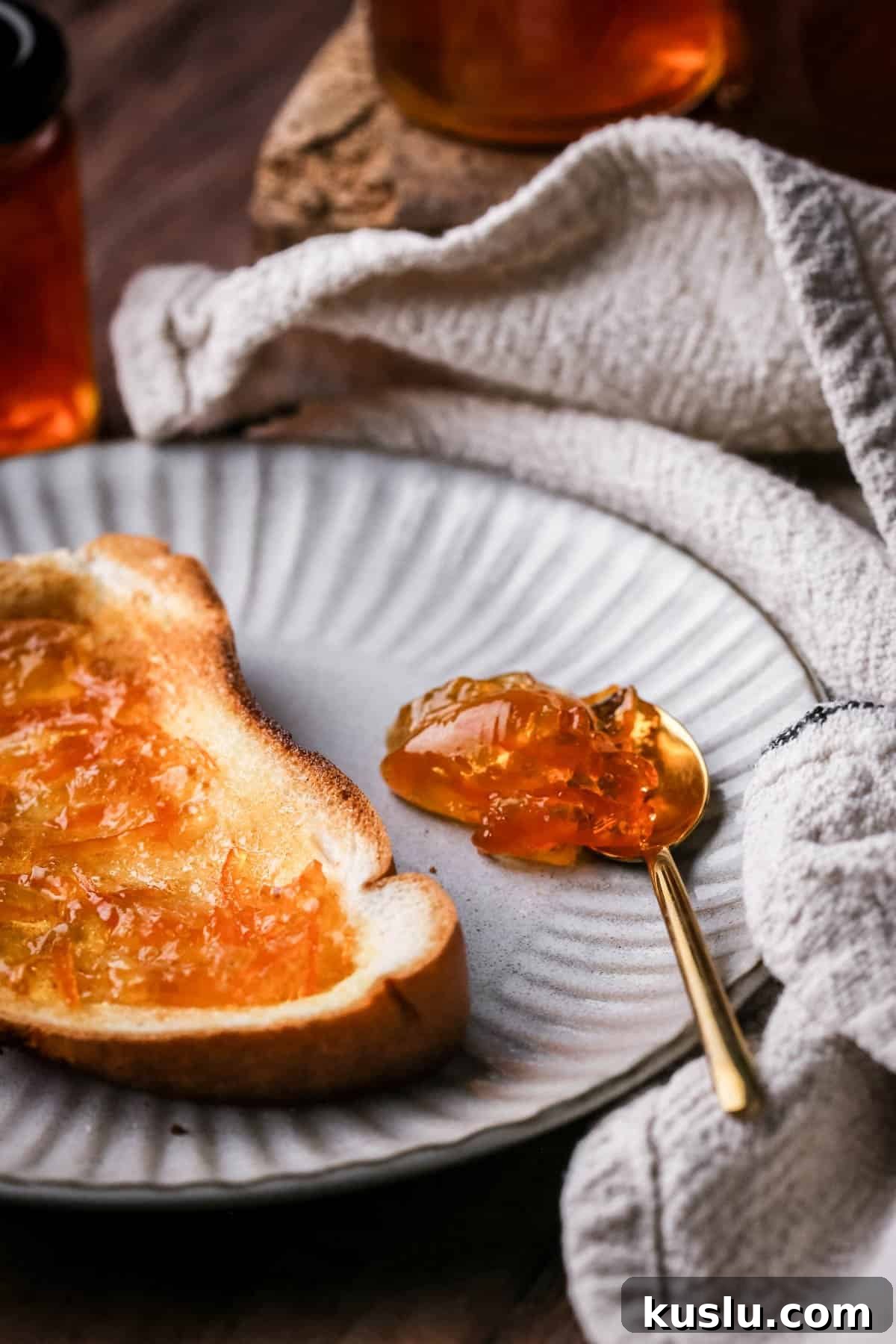
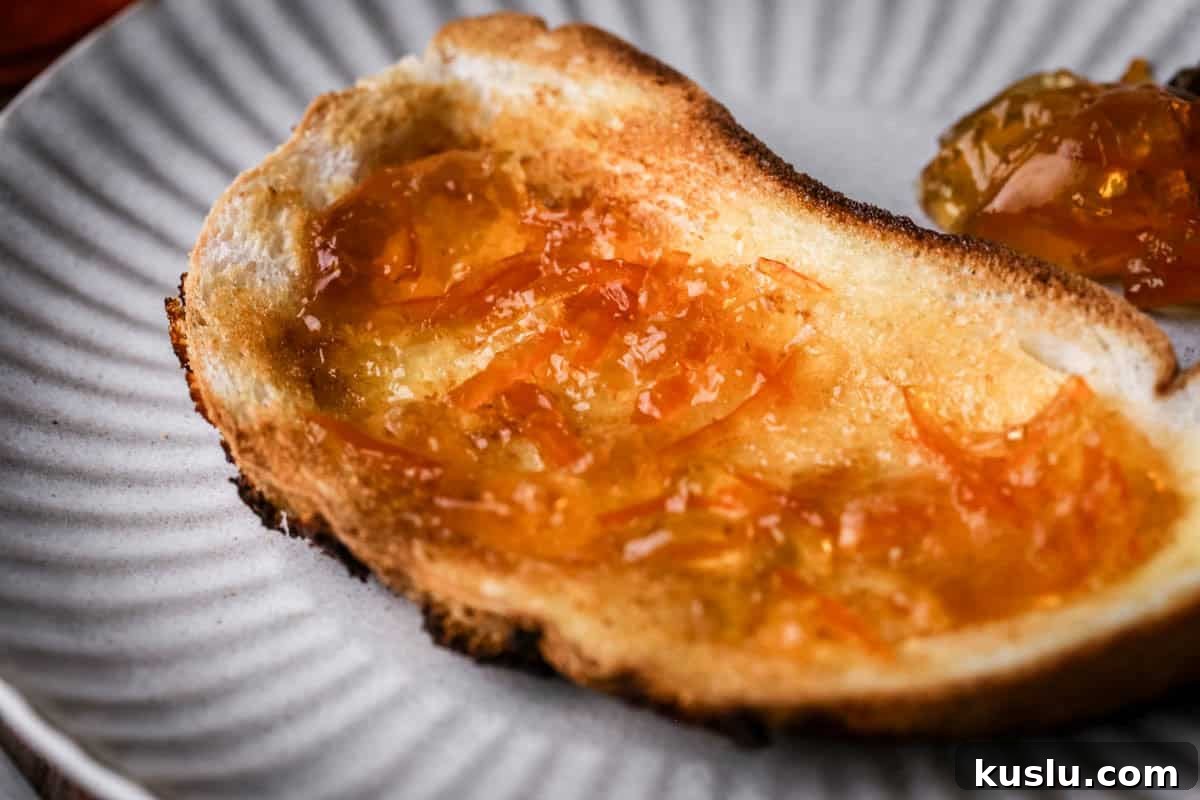
Seville Orange Marmalade follows the classic bitter-sweet profile of a traditional marmalade but is brightened here with a touch of grapefruit and gently grounded with rosemary. It’s perfect on warm buttered toast, but equally useful in baking or as a glaze for meat. This recipe produces a soft, tasty peel suspended in a clear set—ideal for cozy winter mornings and for making an annual supply.

I used to sell preserves alongside gluten-free cakes at my market stall, and marmalade was always the most requested. Marmalade takes more prep than most jams because of the peel work, and its short Seville orange season made each batch feel special and slightly elusive—often selling out by the end of February.
This is the same marmalade recipe I sold at the stall. Instead of using only lemon, I include grapefruit for an extra bitter-sour dimension that complements the Sevilles. The grapefruit sharpness gives the marmalade an interesting edge I really enjoy.
Rosemary is added for a subtle earthy note. I now scent the cooking liquid with rosemary stalks and remove them before the final boil rather than leaving chopped rosemary in the jar, which can feel too bitty. If you like a stronger herbal flavour, add more rosemary; if you prefer a traditional marmalade, keep it light.
Making marmalade is a satisfying kitchen task—especially in January. Allow a full weekend for the recipe because the peel soaks overnight to soften. The soaking produces a tender peel that’s pleasant to eat rather than chewy.
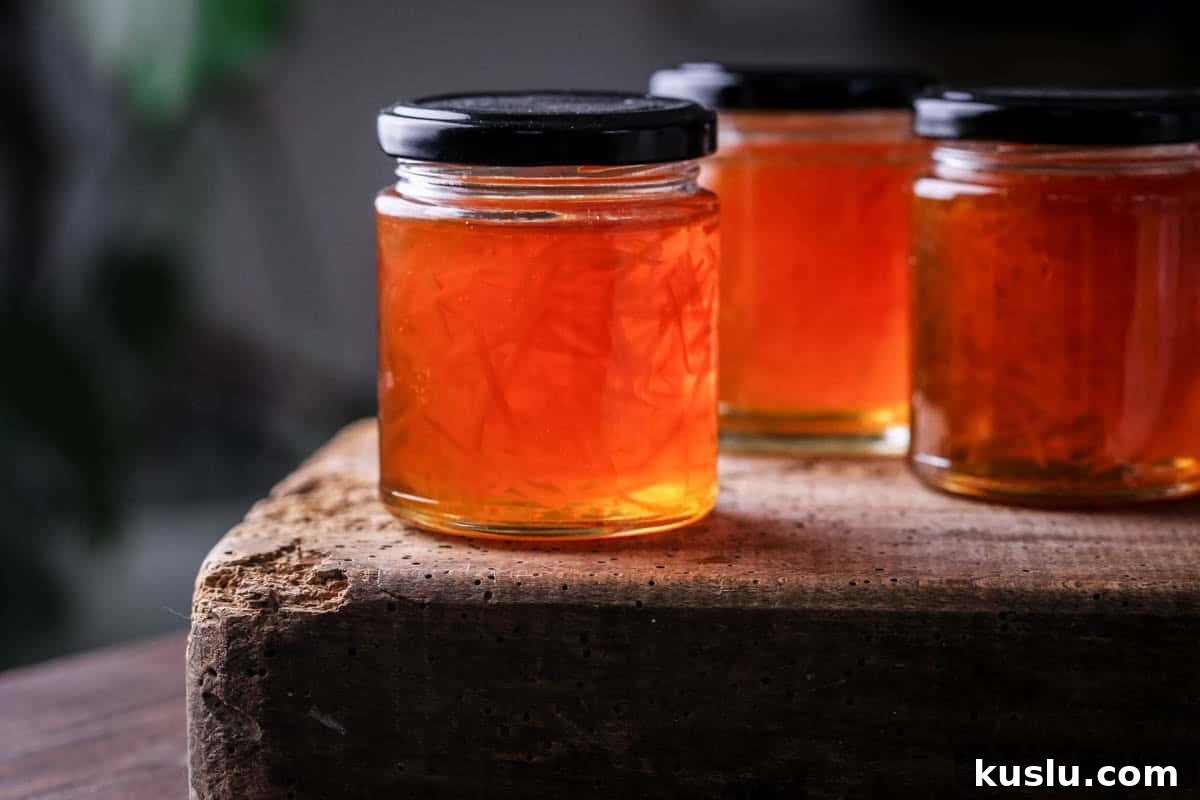
Why You’ll Love This Marmalade Recipe
- A classic Seville orange marmalade brightened with grapefruit and a hint of rosemary.
- Soft, tasty peel that’s a pleasure to eat rather than something to pick around.
- Balanced sweet and tangy flavour with a sophisticated bitter edge.
- Clear, straightforward method with guidance on testing for the correct set.
- Makes about eight small jars—enough to keep and to share.
Where to Buy Seville Oranges in the UK
Seville oranges are a short-season fruit (typically late December through February) and are most reliably found at local greengrocers. Specialist online suppliers and farm shops also stock them during January. If you find good-quality frozen Seville oranges from a trusted supplier, they can be used as well.
Ingredients Needed
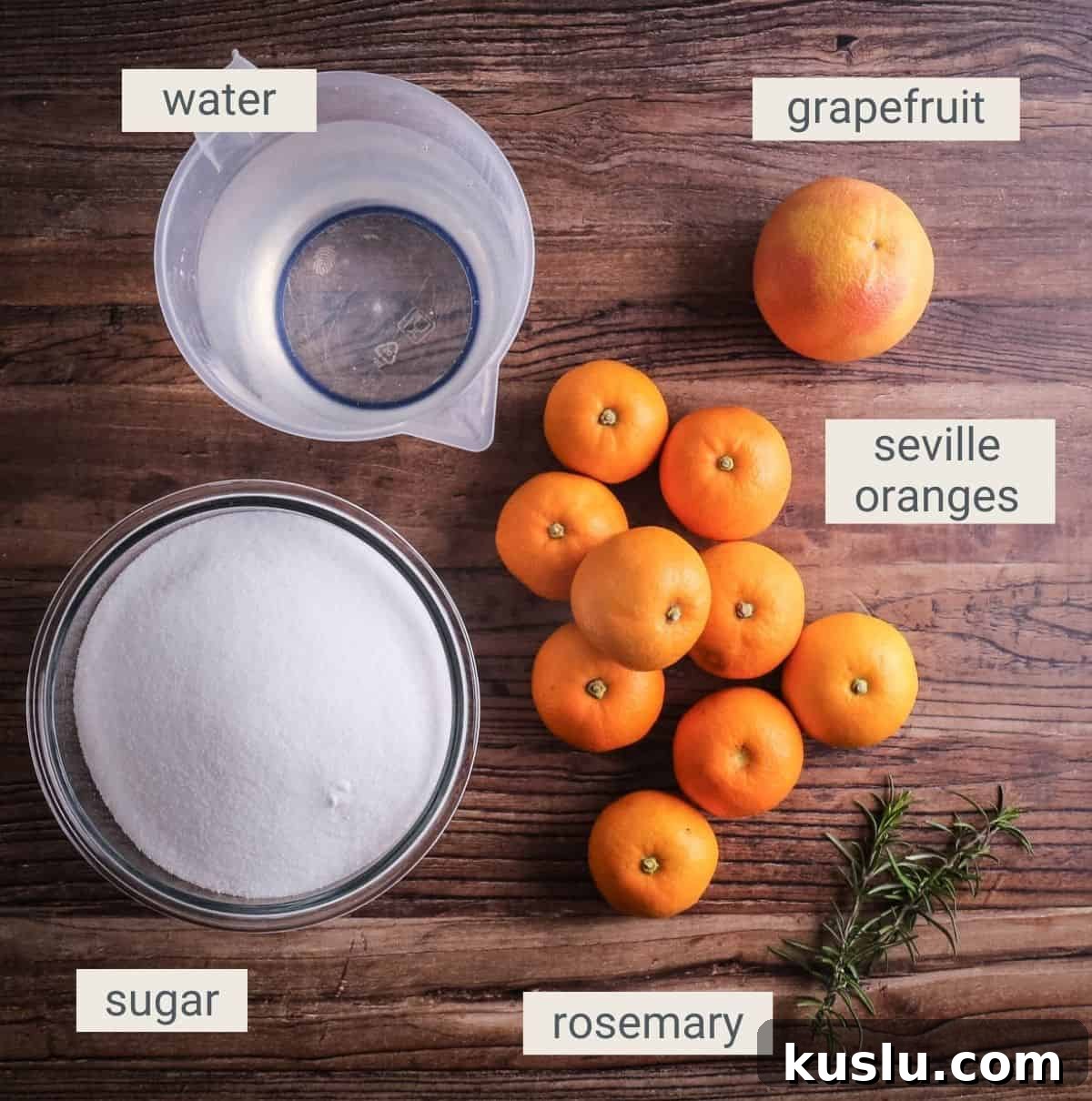
Seville oranges: Approximately 1 kg (about 7–9 oranges depending on size). They give natural pectin for a good set. Wash them well before use.
Grapefruit: One red or pink grapefruit for sweetness and added complexity. If you prefer, swap the grapefruit for two lemons.
Fresh rosemary: Two stalks for a subtle earthy scent. Omit or increase to taste.
Granulated white sugar: 1.2 kg. Regular sugar is used because Sevilles supply plenty of natural pectin.
Also needed: 1.5 litres water (tap water is fine).
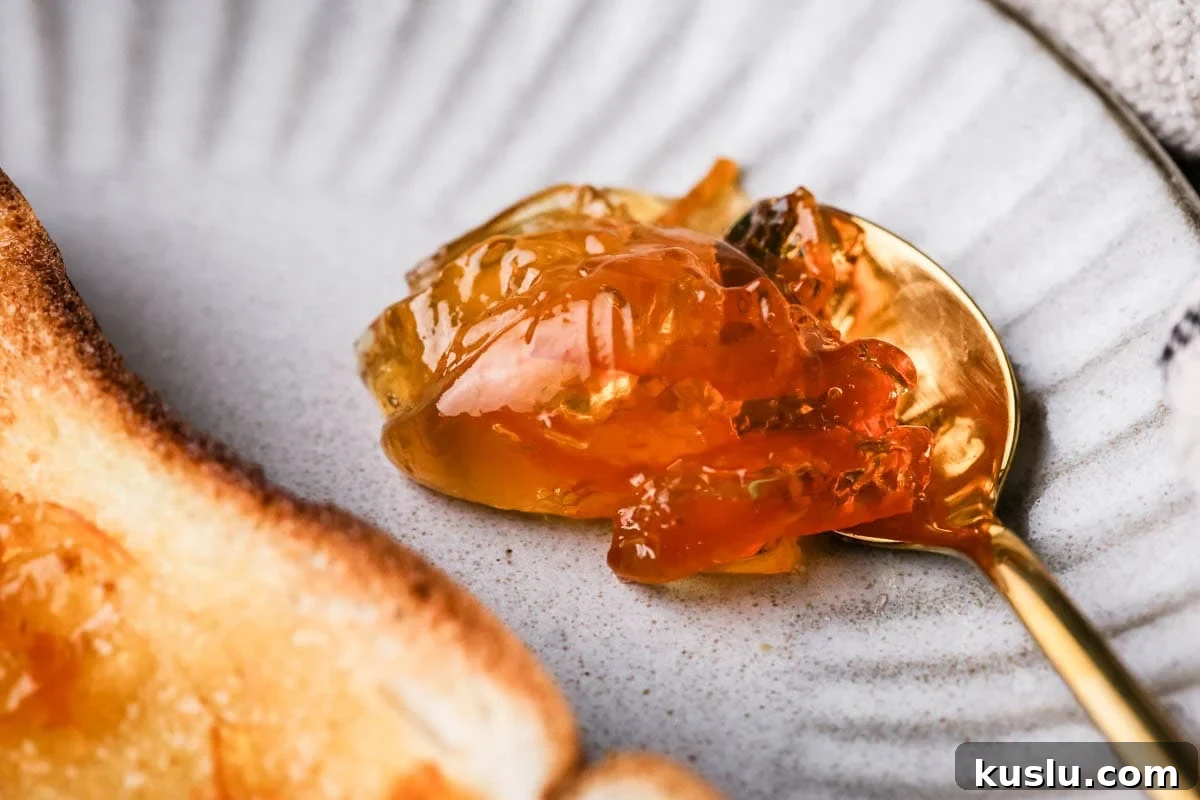
Equipment Needed
Key tools that make this recipe easier are a good citrus juicer, a very sharp knife, large preserving pan, muslin and kitchen string for the pip bag, and jars with lids for sterilising. A digital thermometer is useful but not essential; it helps judge when to start saucer testing (around 104–105.5°C / 220°F).
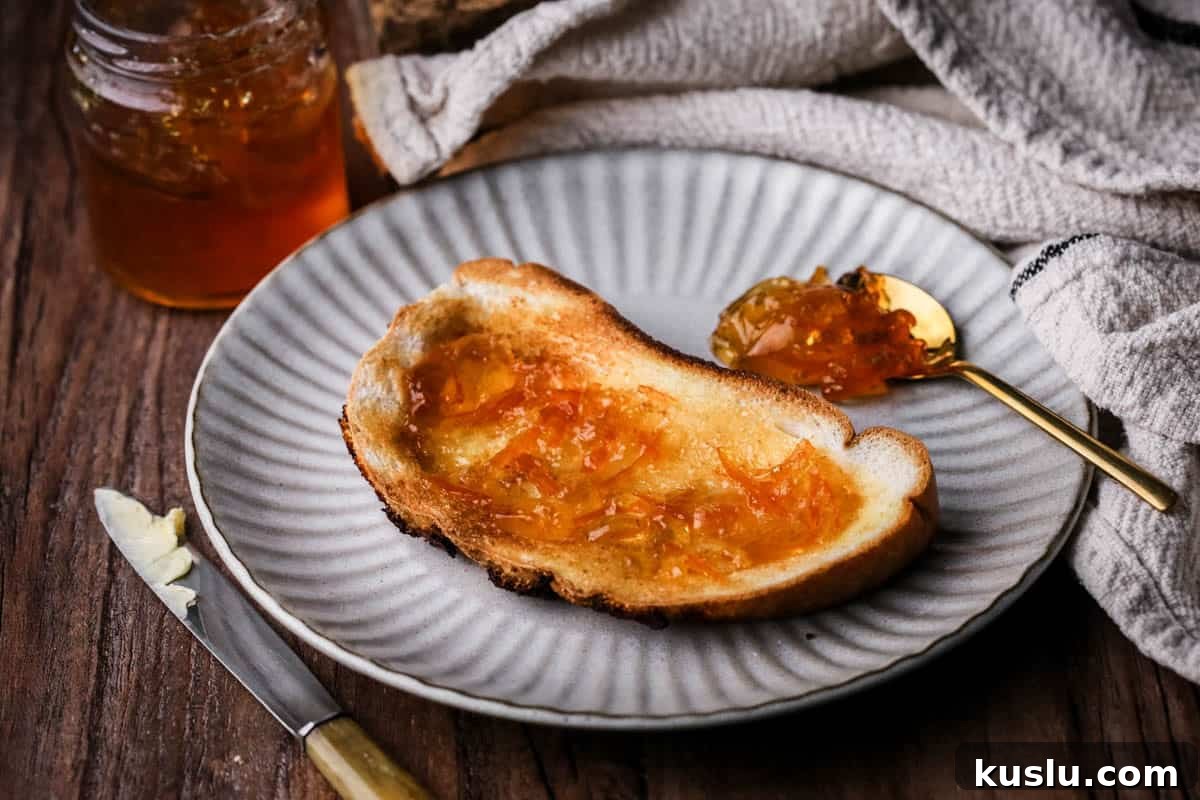
How to Make Seville Orange Marmalade
This recipe is spread over two days to let the peel soak in the juices overnight for a softer texture.
Day One
1. Juice the Seville oranges and grapefruit into a large preserving pan.
2. Cut the fruit into segments and, using a very sharp knife, remove flesh and pith from the peel. Slice the peel thinly.
3. Place pips, pith, membranes and the rosemary stalks into a muslin bag, tie with kitchen string, then add the muslin bag and sliced peel to the preserving pan with the juice and the 1.5 litres water. Cover and leave to soak overnight.
Day Two
1. Bring the pan to a gentle boil, reduce heat, cover with a lid and simmer for 2 hours until the peel is soft.
2. Remove the muslin bag, squeeze the liquid back into the pan, discard the bag. Strain and measure the liquid—aim for about 1.5 litres; top up with water if needed, then return liquid and peel to the pan.
3. Sterilise jars and lids and place several small saucers in the freezer for testing.
4. Warm the sugar in the oven for 10 minutes so it dissolves quickly, then stir it into the marmalade liquid. Slowly bring to a rolling boil and boil hard for 15 minutes.
5. Start checking for set with the saucer (wrinkle) test. Once the marmalade wrinkles on the cold saucer, remove from heat, skim any scum and decant into sterilised jars.
Expert Tips
- Cut orange halves into three segments after juicing to make removing pith and membrane easier.
- Use a very sharp, fine-bladed knife and hold it almost horizontal to the peel when removing the pith to leave paper-thin peel.
- Slicing the peel very thin across the width gives pleasant lengths of peel in the finished marmalade.
- The two-day method softens the peel so the ‘bits’ are enjoyable rather than chewy.
- Warming the sugar prevents it cooling the mixture and helps it dissolve more efficiently.
- If you add extra water to reach 1.5 litres, the marmalade will take longer to reach setting point—be patient and keep testing every few minutes once you’re near readiness.
Sterilising Your Jars and Lids
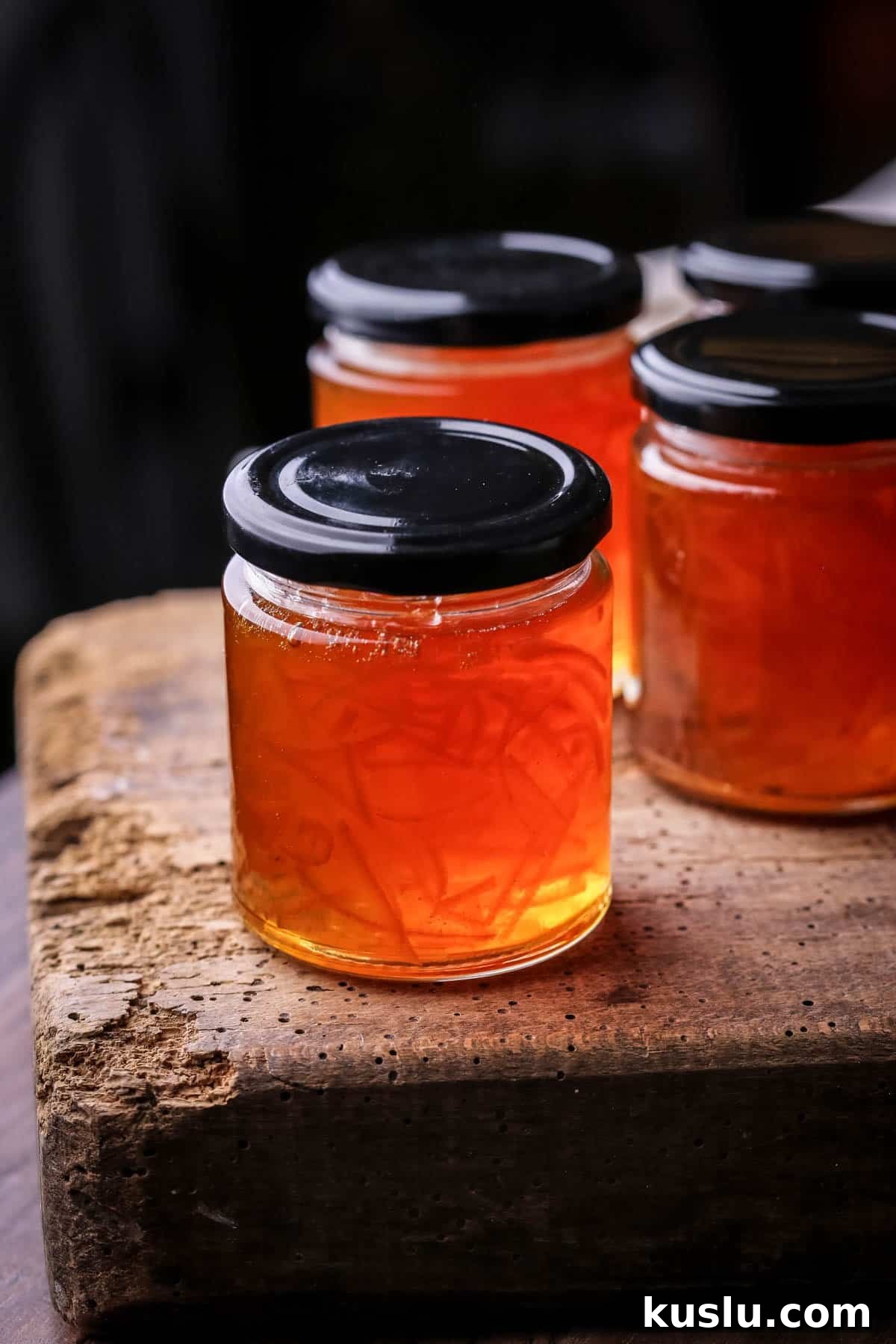
Place very clean jars in an oven preheated to 160°C (140°C fan) / gas mark 3 / 320°F for 20 minutes. Sterilise lids by boiling for 10 minutes in water with a splash of vinegar; avoid putting metal lids in the oven.
The Saucer (Wrinkle) Test
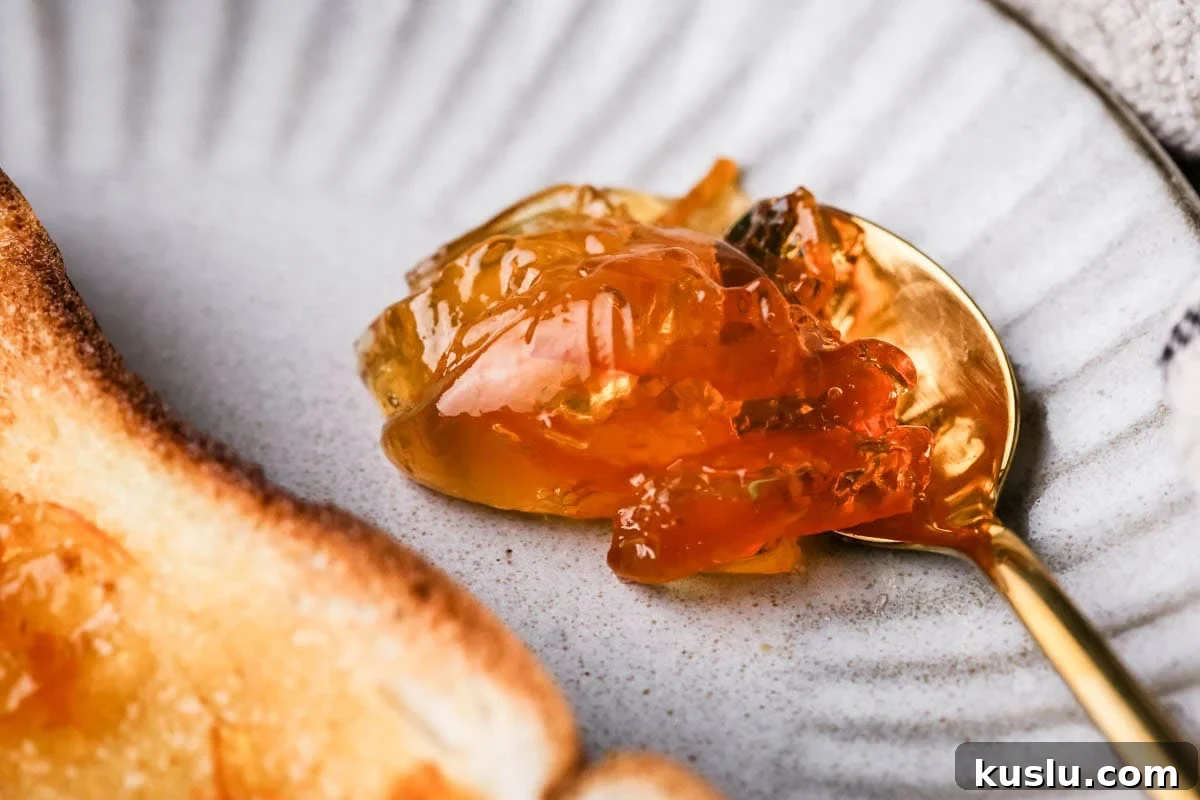
The saucer test checks if the marmalade has set: chill a few saucers in the freezer before you begin. When the marmalade has boiled hard for at least 15 minutes (around 104–105.5°C / 220°F), turn off the heat, spoon a small amount onto a frozen saucer and wait 60 seconds. Gently push with your finger—if it wrinkles, it’s ready. If not, return to the heat and boil for a further 3–5 minutes and test again.
Marmalade Uses Beyond Toast
- Use in baking in place of mixed peel for cakes and puddings.
- Swap marmalade for sugar or honey in glazes and sauces—great for sticky sausages, glazed chicken wings, or grilled pork chops.
FAQs
Seville oranges usually provide enough pectin, and the recipe’s sugar level supports a set. Potential issues include too much added water or excessive evaporation during the simmer (keep the lid on for the two-hour simmer). If you top up with substantial extra water, expect a longer boiling time to reach set; it will eventually set if boiled long enough.
For a milder marmalade, substitute half the Seville oranges with sweeter navel oranges, or replace the grapefruit with two lemons or omit it entirely.
Reducing sugar is not recommended for this recipe because it can prevent a reliable set and affect long-term storage safety.
Yes. Thaw frozen oranges slowly (overnight in the fridge) in a colander set over a bowl to catch juices; include those juices in the recipe and proceed as normal.
When potted correctly in sterilised jars and stored in a cool, dark place, marmalade is typically good for up to six months; many batches remain excellent for longer, up to a year.
Yes—navel, blood, cara cara, or other citrus can be used. The method works, but you may want a recipe tailored to the specific fruit for best results.
More Orange Recipes You’ll Love
If you enjoy making citrus preserves, try recipes such as orange curd, caramelised candied orange slices, or homemade mixed peel for more ways to use the season’s fruit.

Seville Orange Marmalade
Pin Recipe
Ingredients
- 1 kg Seville oranges (about 7–9)
- 1 grapefruit
- 2 rosemary stalks
- 1.5 litres water
- 1.2 kg granulated white sugar
Instructions
Day One
- Juice the Seville oranges and the grapefruit into a large preserving pan.
- Cut the fruit into segments and remove the flesh, pith and inner membrane from the peel with a very sharp knife. Set the peel aside.
- Place pips, pith, membrane and the rosemary stalks into a muslin cloth, tie into a bag, and thinly slice all the peel.
- Add the sliced peel and the muslin bag to the preserving pan with the citrus juice and 1.5 litres water. Cover and leave to soak overnight.
Day Two
- Bring the contents to a gentle boil, reduce heat, cover and simmer for 2 hours until the peel is soft.
- Preheat the oven to 150°C / 130°C fan / gas mark 2 / 300°F.
- Remove the muslin bag, squeeze the liquid back into the pan and discard the bag.
- Strain and measure the liquid—aim for 1.5 litres. Top up with water if necessary, then return liquid and peel to the pan.
- Sterilise jars and lids and chill saucers for testing.
- Warm the sugar in the oven for 10 minutes, then stir into the marmalade liquid until dissolved.
- Slowly bring to a rolling boil and boil hard for 15 minutes. Begin saucer testing for set; if it isn’t ready, continue cooking and test every few minutes.
- When set, remove from heat, skim off any scum and decant into sterilised jars.
Notes
- This recipe yields enough to fill about 8 x 190ml jars.
- You can swap the grapefruit for two lemons or omit rosemary if preferred.
- Use a sharp, fine-bladed knife to remove pith cleanly so the peel is thin and pleasant to eat.
- If you add extra water to reach 1.5 litres, expect a longer cooking time to reach set.
Place very clean jars in an oven preheated to 160°C (140°C fan) / gas mark 3 / 320°F for 20 minutes. Boil lids for 10 minutes with a splash of vinegar.
Chill several saucers. Once the marmalade has boiled hard for at least 15 minutes and is around 104–105.5°C (220°F), turn off the heat and spoon a small amount onto a frozen saucer. Wait 60 seconds, then gently push—if it wrinkles, it’s ready.
Nutrition
Please leave a review and star rating which helps support the recipe author and keeps these recipes free to use.