In recent years, the landscape of book bans in the United States has shifted dramatically. Instead of isolated challenges to single titles, some campaigns now target entire collections or school library systems. The American Library Association (ALA) recorded 1,269 attempts to restrict or remove books in 2022—the highest number in over two decades of tracking such censorship.
Most challenges focus on books that address LGBTQ+ themes, race, sexuality, or other sensitive subjects. These efforts have real consequences for students, educators, and readers who rely on diverse literature to learn about other lives and perspectives. Understanding which books are most frequently targeted and why helps illuminate the broader cultural debates around freedom of expression, education, and representation.
Below is an overview of 15 frequently challenged books in America, why they draw controversy, and the reasons they matter. These works span memoir, fiction, graphic novels, and nonfiction—each offering authors’ distinct perspectives that have resonated with readers and, in some cases, provoked concerted campaigns to remove them from school and public libraries.
Gender Queer by Maia Kobabe
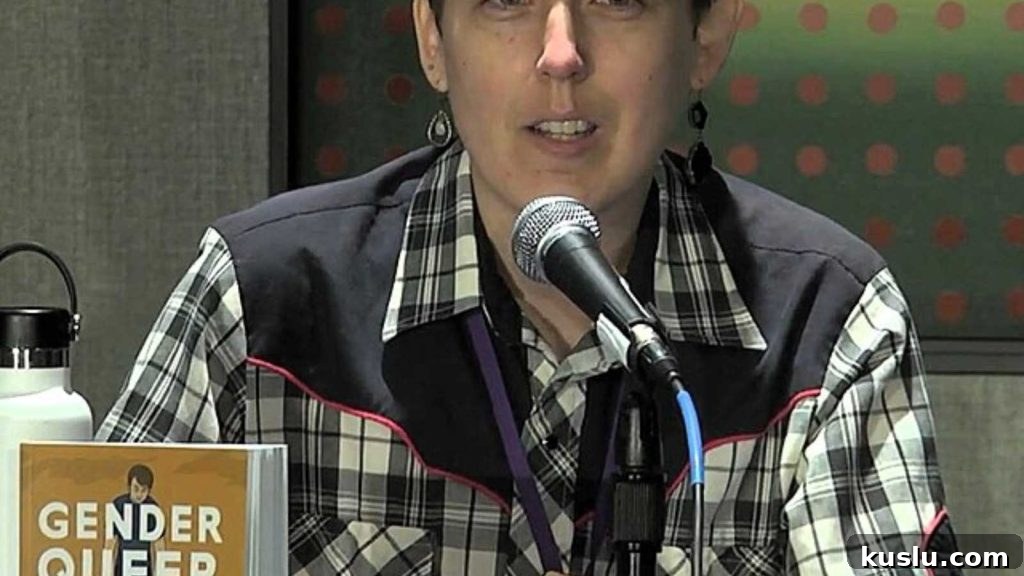
Why it’s challenged: This autobiographical graphic novel has been removed or restricted in some districts because of candid depictions of sexuality and intimate exploration of gender identity, which some consider inappropriate for minors.
Why it matters: Gender Queer offers a thoughtful, personal account of being nonbinary. Its candid approach helps readers understand gender identity beyond stereotypes and has educational value for those seeking authentic representation.
All Boys Aren’t Blue by George M. Johnson

Why it’s challenged: This collection of essays is frequently targeted for its LGBTQ+ themes and explicit language, with critics questioning its suitability for school libraries.
Why it matters: Johnson’s memoir offers insight into growing up Black and queer in America. It has played a significant role in conversations about inclusion, identity, and the importance of diverse voices in literature.
The Bluest Eye by Toni Morrison
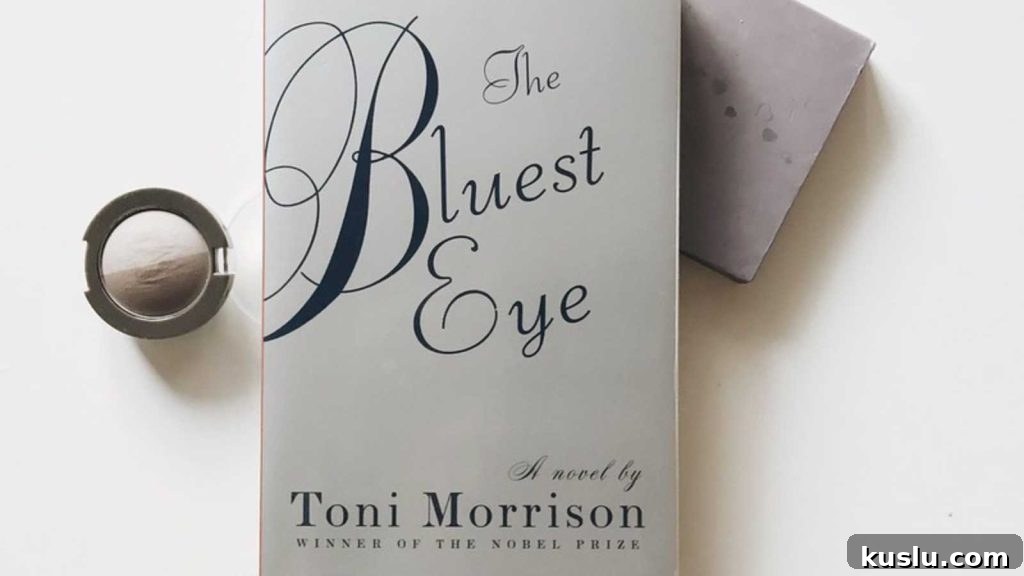
Why it’s challenged: Morrison’s debut novel is frequently contested because it depicts child abuse and sexual violence while confronting painful aspects of race and beauty standards.
Why it matters: First published in 1970, The Bluest Eye remains a powerful examination of how racism and internalized beauty ideals harm Black girls. Its literary and cultural importance makes it a central text in discussions about race and representation.
The Hate U Give by Angie Thomas
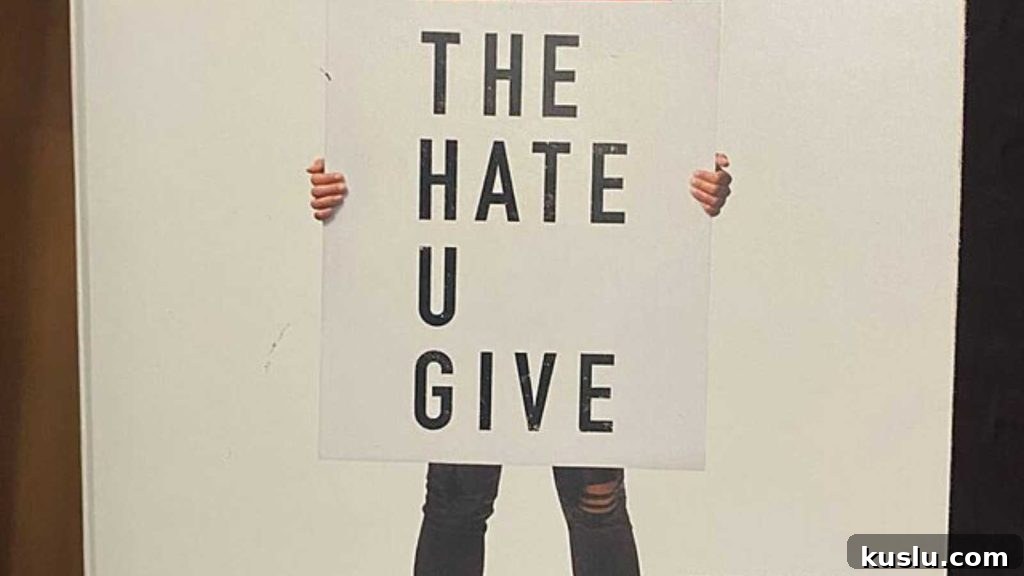
Why it’s challenged: The Hate U Give has been removed in some areas for its depiction of police violence, use of profanity, and perceived anti-police sentiment.
Why it matters: Inspired by contemporary movements against racial injustice, Angie Thomas’s novel centers on police violence and community response. Its impact includes widespread reader engagement and a film adaptation that broadened the conversation.
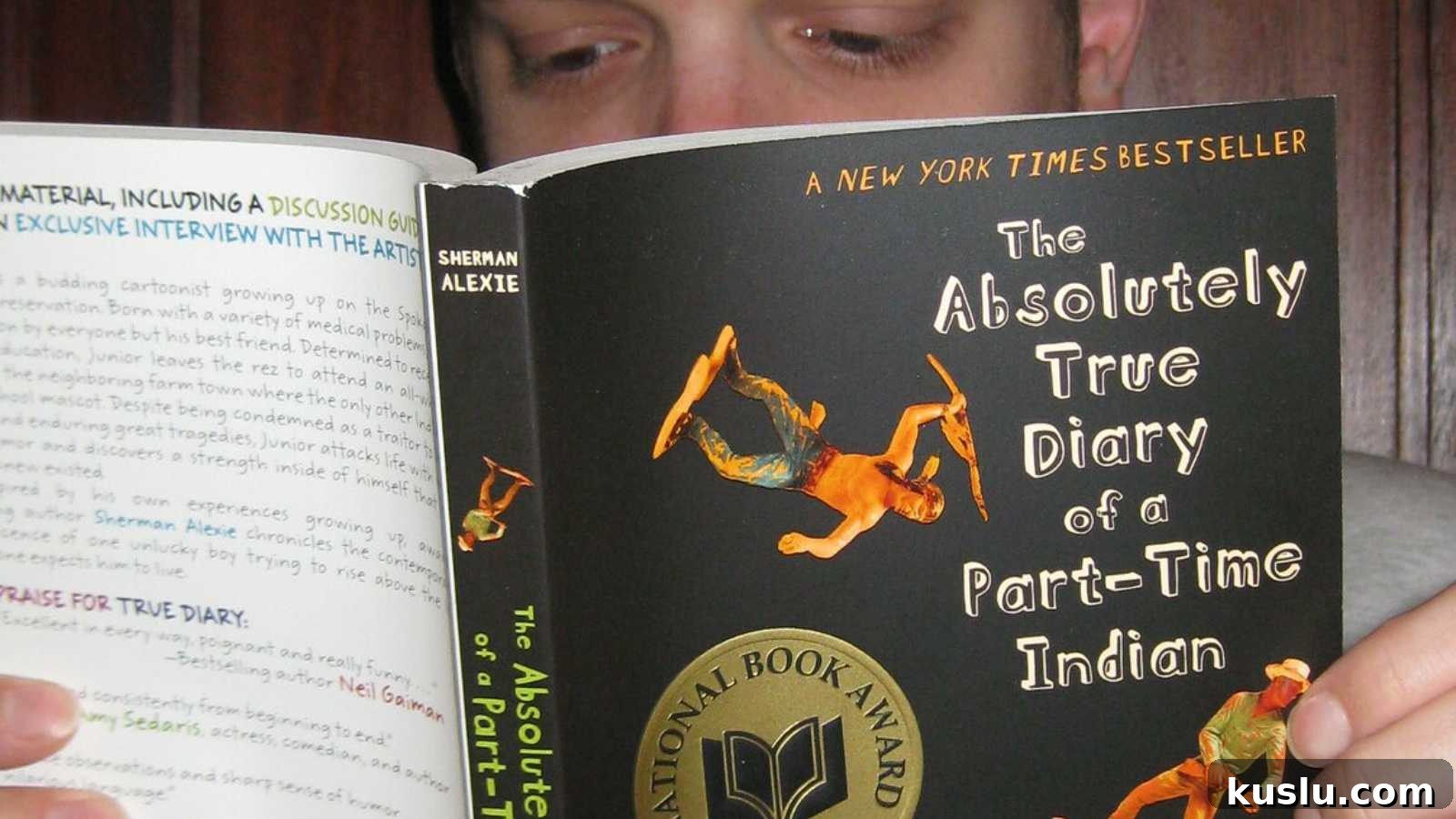
The Absolutely True Diary of a Part-Time Indian by Sherman Alexie
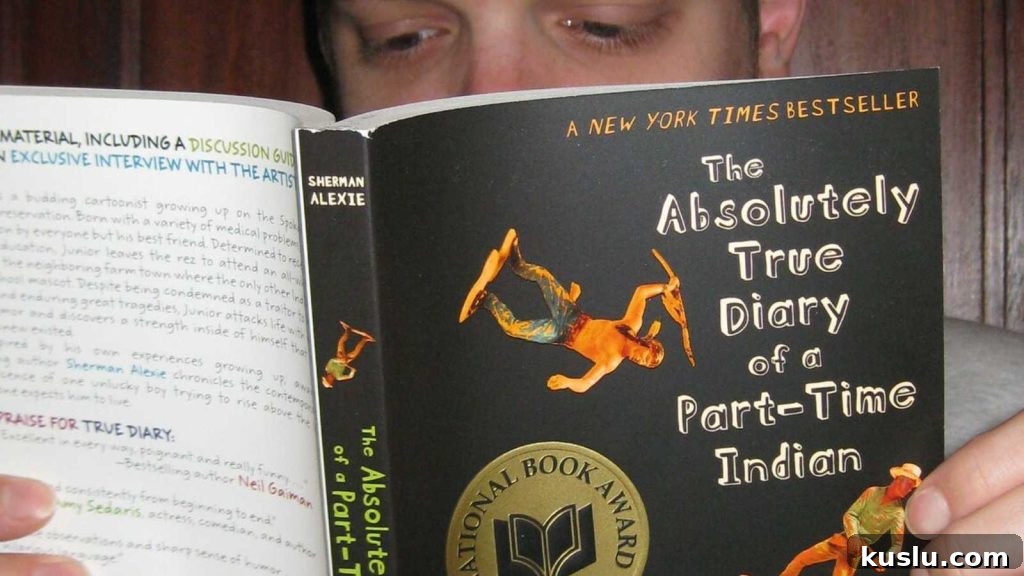
Why it’s challenged: This semi-autobiographical novel is challenged for sexual references, profanity, and frank discussions of identity.
Why it matters: Alexie’s book blends humor and heartbreak to depict life on a Native American reservation and the struggles of leaving it to pursue broader opportunities. It remains an important voice for Native representation in young adult literature.
Lawn Boy by Jonathan Evison

Why it’s challenged: Lawn Boy has faced challenges for profanity and explicit sexual content, and it was among several LGBTQIA+ titles contested in some school districts.
Why it matters: The novel follows a young biracial gay man navigating work, relationships, and economic hardship. Its candid voice challenges stereotypes and broadens conversations about race, class, and sexuality.
Out of Darkness by Ashley Hope Pérez
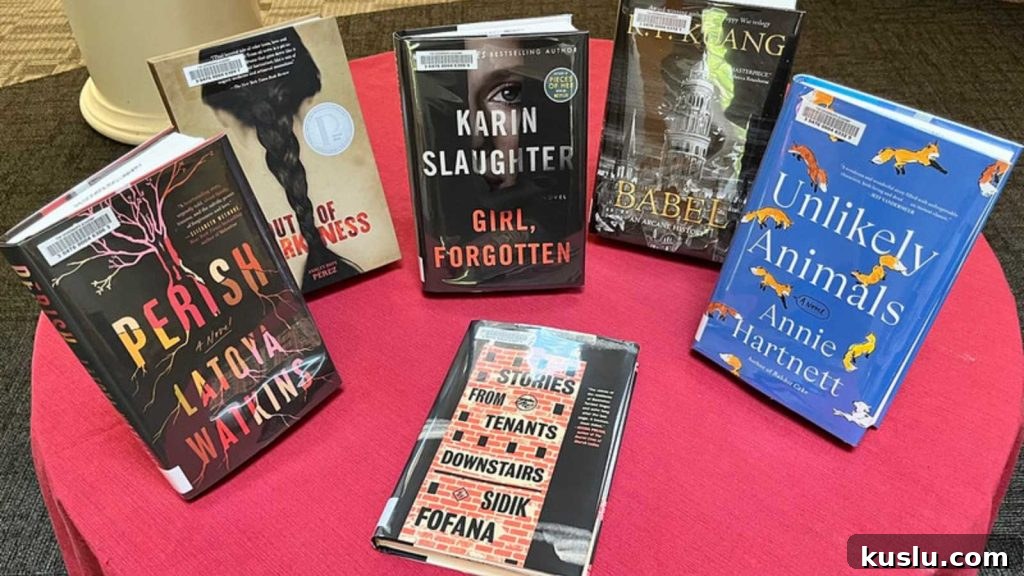
Why it’s challenged: Pérez’s novel has been criticized for depicting sexual content and abuse. Despite years on curricula and library shelves, it became a target during renewed waves of challenges beginning in 2021.
Why it matters: Set against a historical disaster, Out of Darkness examines love, race, and trauma. Its storytelling connects readers to historical events while confronting social tensions that persist today.
The Perks of Being a Wallflower by Stephen Chbosky
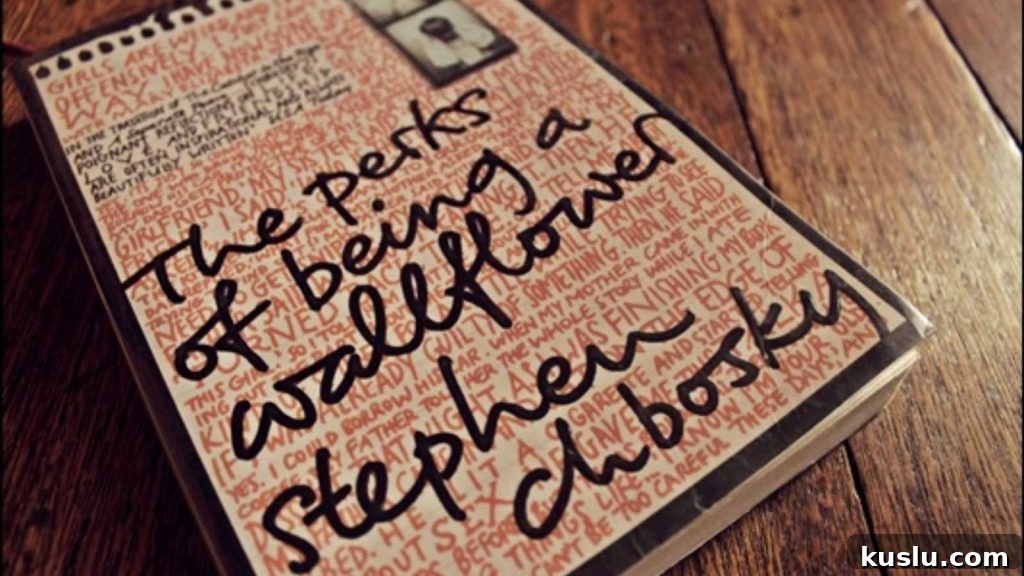
Why it’s challenged: The novel has faced bans due to depictions of drug use, sexual content, and abuse. Challenges first gained traction in the early 2000s and have resurfaced periodically.
Why it matters: Chbosky’s coming-of-age narrative addresses mental health, trauma, and the complexity of adolescent life—topics that many educators and readers find essential for young audiences.
This Book is Gay by Juno Dawson
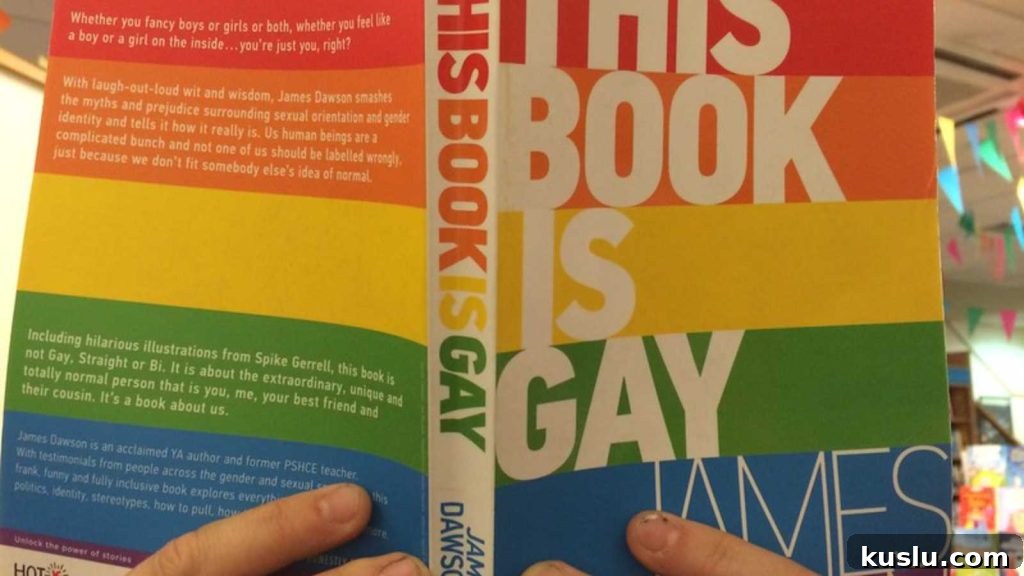
Why it’s challenged: As a frank guide about LGBTQ+ issues and sexual health, this book is often removed from school shelves for content some consider explicit.
Why it matters: Aimed at teens and young adults, This Book is Gay fills gaps in sex education and offers supportive, practical information for LGBTQ+ youth seeking reliable guidance.
Beyond Magenta by Susan Kuklin
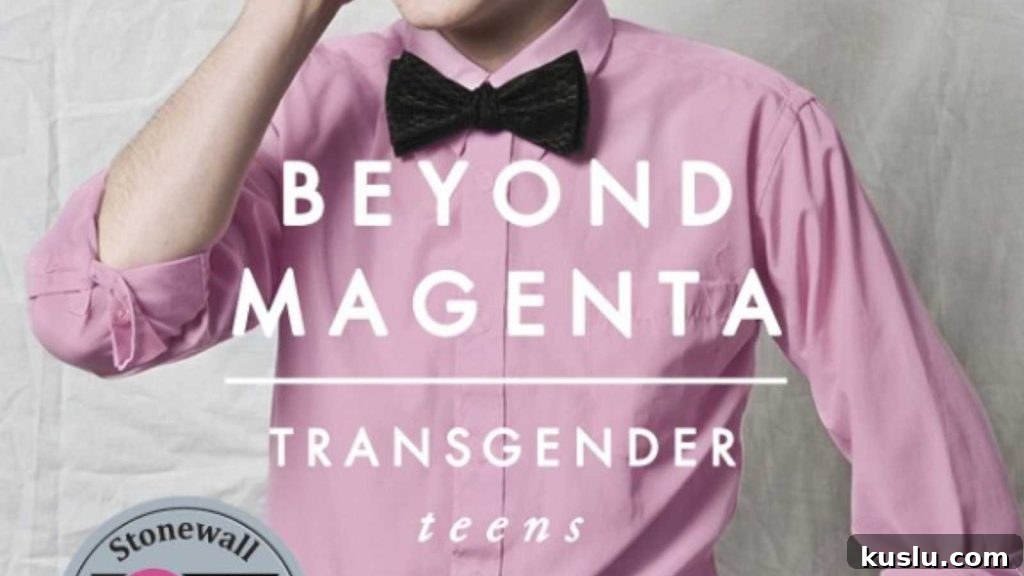
Why it’s challenged: This nonfiction collection of interviews with transgender youth is frequently contested for explicit language and sexual content.
Why it matters: Beyond Magenta amplifies first-person voices that humanize the transgender experience and fosters empathy by letting readers hear directly from teens about their lives.
Looking for Alaska by John Green
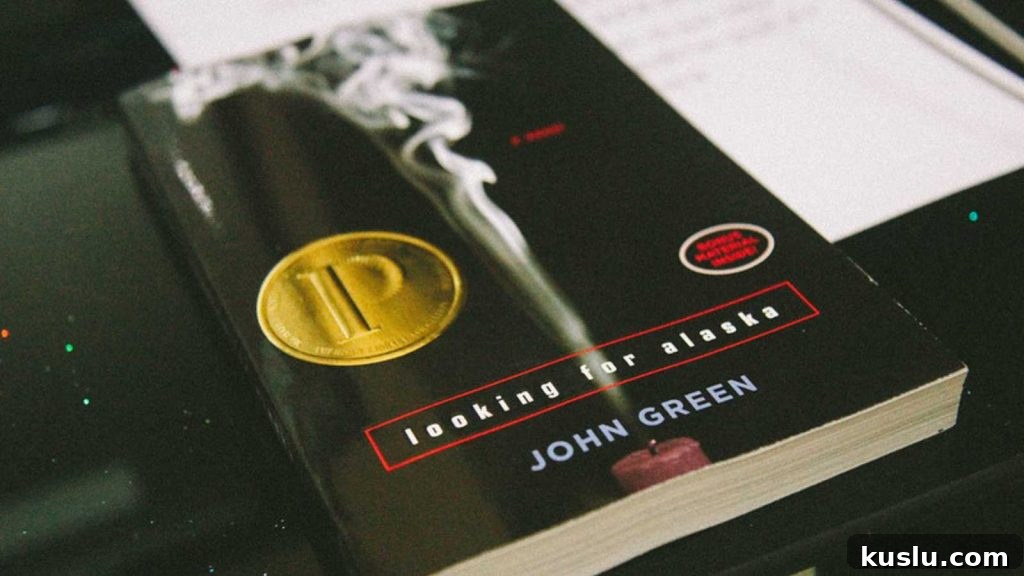
Why it’s challenged: Critics object to the book’s sexual content and profanity, arguing it may encourage inappropriate behavior among teens.
Why it matters: Green’s novel tackles grief, friendship, and identity, offering readers a thoughtful exploration of adolescence and the questions that shape young lives.
Thirteen Reasons Why by Jay Asher
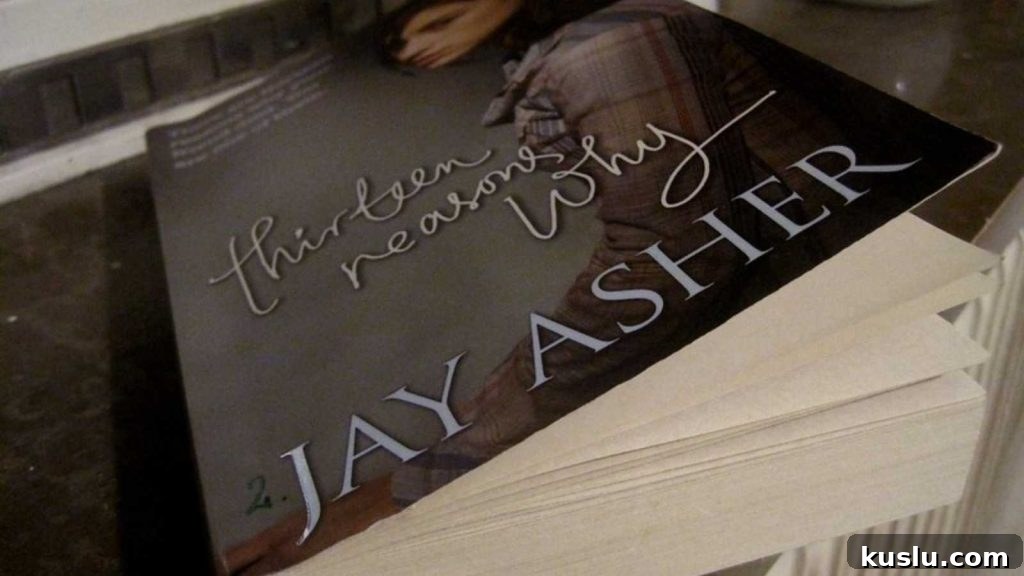
Why it’s challenged: The novel has been criticized for its depiction of suicide and sexual assault and for concerns that it might glamorize self-harm. Its subject matter has sparked heated debate about how schools should address mental health.
Why it matters: Despite controversy, Thirteen Reasons Why has prompted important conversations about bullying, depression, and the need for better mental health resources and communication with young people.
The Kite Runner by Khaled Hosseini
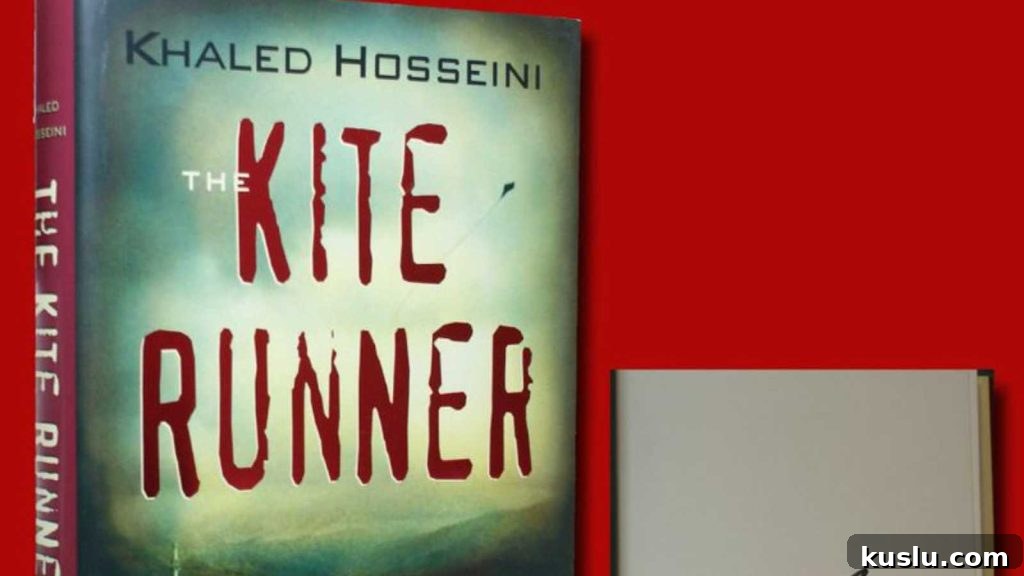
Why it’s challenged: The Kite Runner is challenged for its portrayal of sexual violence and the complex moral questions it raises about guilt, redemption, and cultural conflict.
Why it matters: Hosseini’s novel gives readers a vivid sense of Afghanistan’s recent history and the human costs of political upheaval, offering context and empathy often missing from mainstream portrayals.
Maus by Art Spiegelman

Why it’s challenged: Spiegelman’s Pulitzer Prize-winning graphic novel has been removed in certain districts due to its graphic depictions of Holocaust violence and disturbing imagery.
Why it matters: Maus uses the graphic novel form to present a deeply human account of the Holocaust. Its narrative and visual approach make an essential historical subject accessible and emotionally resonant for readers of different ages.
To Kill a Mockingbird by Harper Lee
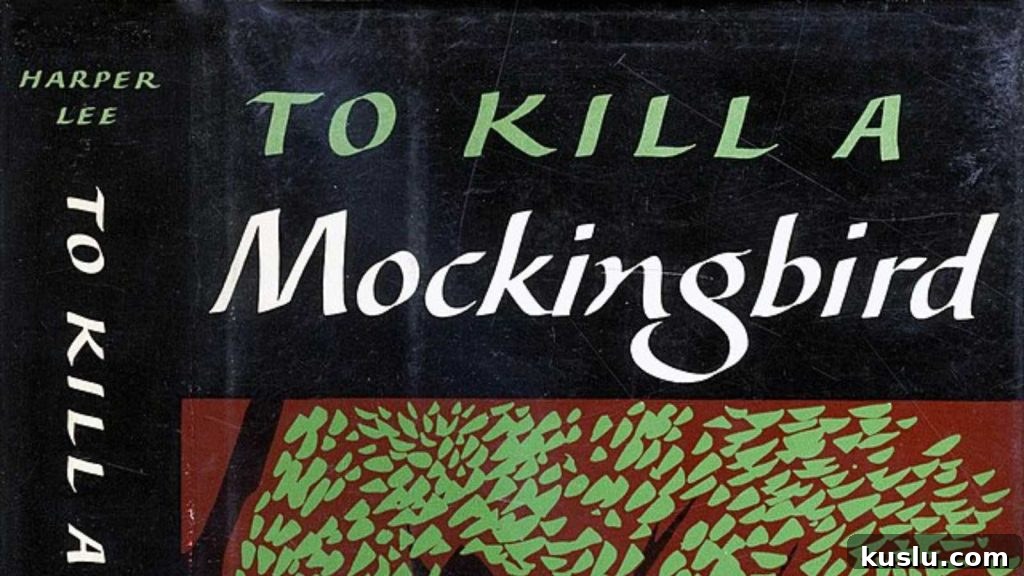
Why it’s challenged: Harper Lee’s classic is still contested for its use of racial slurs and its depiction of systemic racism, prompting debates about how to teach difficult history in schools.
Why it matters: To Kill a Mockingbird remains a cornerstone for discussions about justice, morality, and civil rights. Its presence in classrooms encourages critical engagement with America’s history and ethical questions.
Many book challenges stem from a desire to shield young readers from complex or uncomfortable realities. Yet the books most often targeted tend to be those that expand readers’ understanding of other lives and difficult social issues. For readers, educators, and advocates, engaging with challenged books supports intellectual freedom, fosters empathy, and preserves a space for diverse stories in public life.
By knowing which books are contested and why, communities can better weigh the educational value of these works and make informed decisions about access and context. Reading challenged books remains an important way to defend the right to explore a full range of ideas and experiences.