Cleaning Hack: How to Clean Your Glass StoveTop With Vinegar & Baking Soda
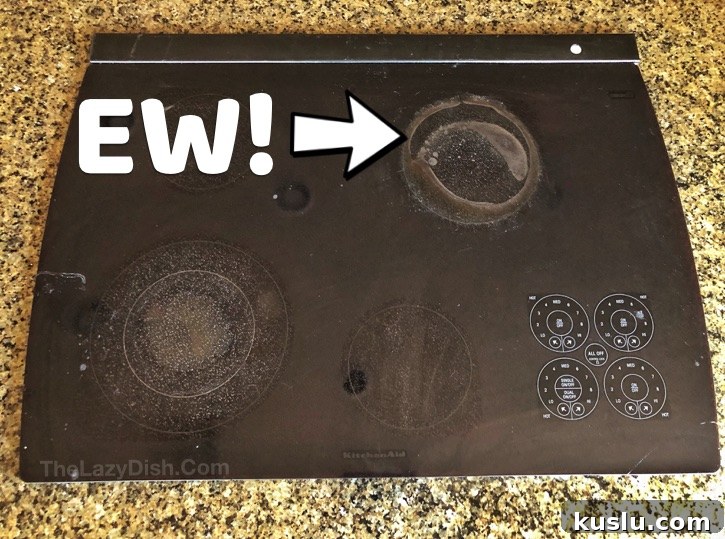
If you have a glass stovetop, you know how difficult it can be to remove burned-on spills and residue.
When a pot boils over, whatever was inside can leave a stubborn, crusty layer on the surface. Whether it’s water, milk, sauce, or something else, that residue often seems impossible to remove with ordinary scrubbing. Fortunately, a simple, natural method using common household ingredients can make the job much easier.
This technique is safe for most smooth glass cooktops and relies on the reaction between white vinegar and baking soda to loosen grime, followed by gentle heat and steam to lift remaining residue.
Don’t worry if your stovetop looks worse for wear — there’s an easy solution.
With a few items you probably already have at home and a little time, your stovetop can look much better without harsh chemicals or aggressive scraping.
You will need:
-
A dirty stovetop
-
White vinegar
-
Baking soda
-
Hot water
-
A towel (preferably cotton)
-
Optional: a small amount of dish soap and a non-abrasive scrub brush or sponge for stubborn spots
1. Spray or pour white vinegar over the entire stovetop.
Use a spray bottle if you have one for even coverage. If not, pour a small amount of vinegar and spread it gently with a cloth. The vinegar helps dissolve grease and mineral deposits.
2. Sprinkle a generous layer of baking soda over the vinegar.
The baking soda will react with the vinegar, producing fizzing bubbles that help break down burnt-on food and residues. This reaction is safe for glass and provides gentle abrasive action without scratching if used carefully.
3. Cover the stove with a hot, wet towel.
Soak a towel in very hot water (not scalding) and wring it slightly so it’s damp but not dripping. Lay it over the baking soda and vinegar mixture. The heat and steam will soften the grime, making it easier to remove.
4. Let it sit for about 15 minutes, then use the towel to wipe away loosened gunk.
After soaking, press and rub the towel over the surface to lift the softened residue. For most spills this will remove the majority of the mess without heavy scrubbing.
5. Treat any stubborn spots with a little dish soap and a non-abrasive scrubber if needed.
If some areas remain, apply a few drops of dish soap to a soft sponge or brush and gently scrub until the spot lifts. Avoid steel wool or harsh pads that could scratch the glass.
When finished, your stovetop should look clean and reflective again.
Rinse or wipe the surface with a clean damp cloth to remove any remaining baking soda or vinegar residue, then dry with a soft towel to prevent streaks. Regular quick cleanups after cooking can keep your glass stovetop looking its best and make future deep cleans much easier.
Now relax and reward yourself for a job well done — perhaps with a glass of wine or a cup of tea. Store these steps in mind for the next greasy spill and you’ll be able to restore your stovetop quickly and safely.