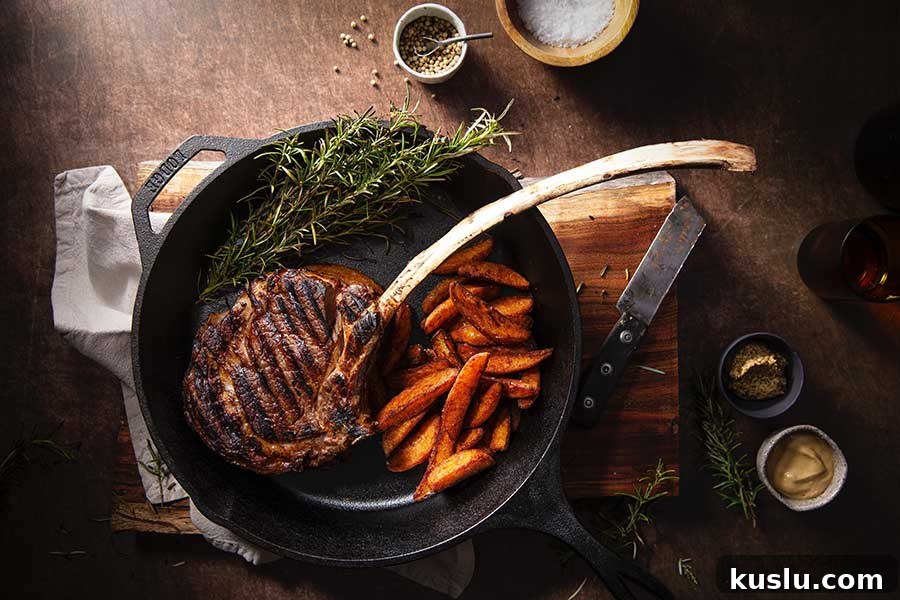
There are many advantages to using cast iron cookware. When properly cared for, cast iron forms a durable, natural nonstick surface that helps prevent food from sticking or burning, allows you to use less oil, and promotes even cooking at high temperatures. Beyond performance, cast iron is simple and robust, making it a safer alternative to some modern nonstick pans that rely on chemical coatings which can degrade at high heat or when scratched.
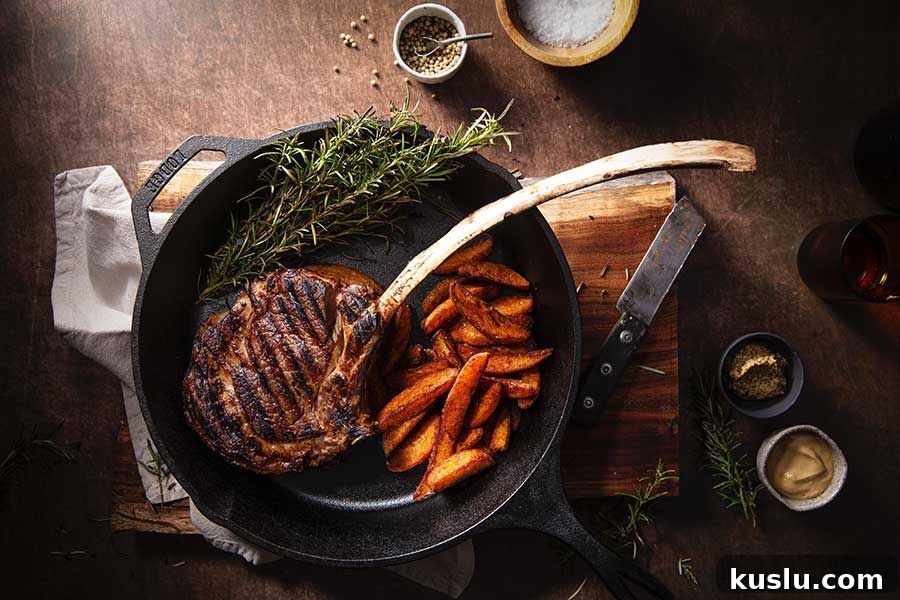
A well-seasoned cast iron skillet develops a hard, smooth patina that eases cleanup and improves with use. Seasoning is essentially a layer of polymerized oil baked into the metal, which creates a protective barrier against rust and enhances nonstick performance. With consistent care, cast iron can last for decades and even be passed down through generations.
SEASONING CAST IRON SKILLET
Seasoning your cast iron pan is straightforward. Start by washing the skillet with hot water and a small amount of mild soap to remove any factory oils or residues. Dry it thoroughly with a towel or by warming it briefly on the stovetop. Then apply a very thin, even coat of an oil with a high smoke point—such as vegetable oil, grapeseed oil, or coconut oil—across the entire cooking surface and outer surfaces.
Place a sheet of foil on a lower oven rack to catch any drips, and set the skillet upside down on the middle rack. Bake the pan at 375°F (190°C) for about an hour, then turn off the oven and allow the skillet to cool inside. This heat bonds the oil to the metal, forming the seasoning layer. The more you cook with and maintain the skillet, the stronger and smoother the seasoning becomes.
Even if a pan arrives pre-seasoned, it’s often beneficial to repeat this process at home to build a more uniform, durable finish that suits your cooking habits.
Cast Iron Care Essentials
Cast iron thrives with a few simple habits. Avoid prolonged exposure to acidic foods like tomatoes and vinegar, which can gradually strip seasoning. Do not soak cast iron in water, and avoid harsh abrasive cleaners or steel wool that can remove seasoning layers. Instead, clean with hot water and a soft or stiff brush, and use a little soap only when necessary. Always dry the pan promptly and apply a light coat of oil while it is still warm to protect the finish and prevent rust.
Avoiding Rust and Residue
Immersing cast iron in water or leaving it wet increases the risk of rust. If you cook sticky or sugary dishes—like certain desserts—that leave residue, scrub the pan with a stiff-bristle brush and mild soap, rinse thoroughly, and dry completely. For persistent food buildup, simmer a small amount of water in the pan to loosen residues before scrubbing. If rust does appear, it can be removed and the pan re-seasoned to restore performance.
Pre-Seasoned Considerations
Pre-seasoned cookware is convenient, but you may still want to reinforce or customize the seasoning at home. A home seasoning session helps ensure the coating is even and matched to the oils you prefer to cook with, improving longevity and nonstick properties.
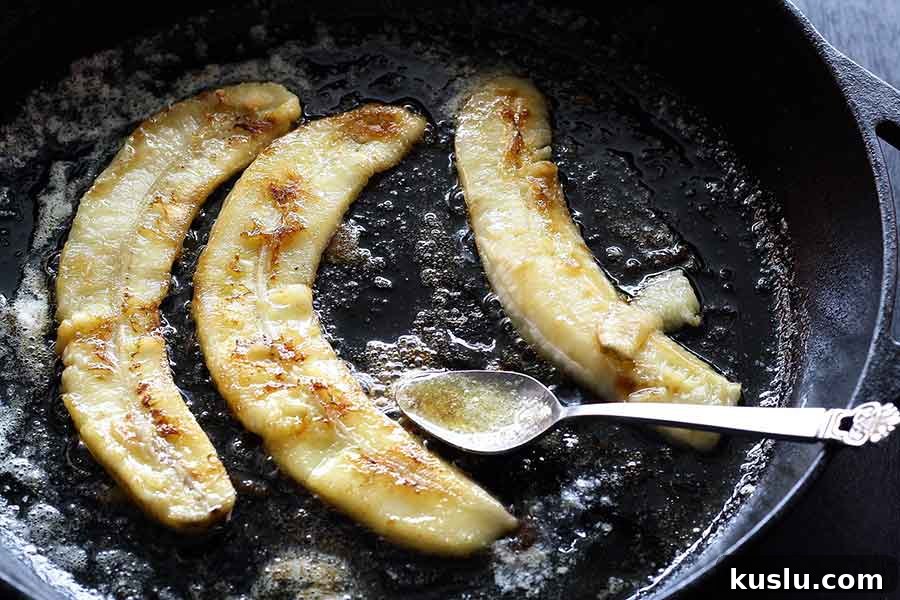
Restoring Rusty Cast Iron: 4 Simple Steps
1. Scrub the affected areas with a stiff-bristle brush and hot, soapy water to remove loose rust and debris. Rinse thoroughly and dry the pan completely.
2. Apply a thin, even layer of vegetable oil or another high-smoke-point oil to the entire surface, inside and out.
3. Place foil on a lower oven rack to catch drips, set the skillet upside down on the middle rack, and bake at 375°F (190°C) for one hour. Let the pan cool inside the oven before removing it.
4. Repeat the process if necessary until the surface looks uniform and smooth. Store the pan in a cool, dry place and maintain it with light oiling after use.
The Versatility of Cast Iron Cookware
Cast iron skillets are incredibly versatile. They excel at one-pan meals such as casseroles, baked dips, seared steaks, cheesy sides, and many desserts that benefit from steady, even heat. A cast iron roasting pan is especially useful for whole-roast preparations: it develops a rich crust on meats and caramelizes vegetables beautifully. Because cast iron retains heat so well, roasted dishes cook evenly and develop excellent texture and browning.
Perfect Roasting Every Time
Whether roasting chicken, root vegetables, or a hearty casserole, cast iron often delivers consistent, dependable results. Cleanup is typically simple when the pan is well-seasoned—most stuck-on bits release with a quick scrub after soaking or simmering. Regular use enhances the seasoning and makes the pan more nonstick over time, so your cast iron becomes more reliable the longer you own it.
Looking for inspiration? Try adapting your favorite recipes for cast iron cooking, and build a routine of gentle cleaning, thorough drying, and occasional re-seasoning. With basic care, cast iron can be an essential, long-lasting tool in any kitchen.