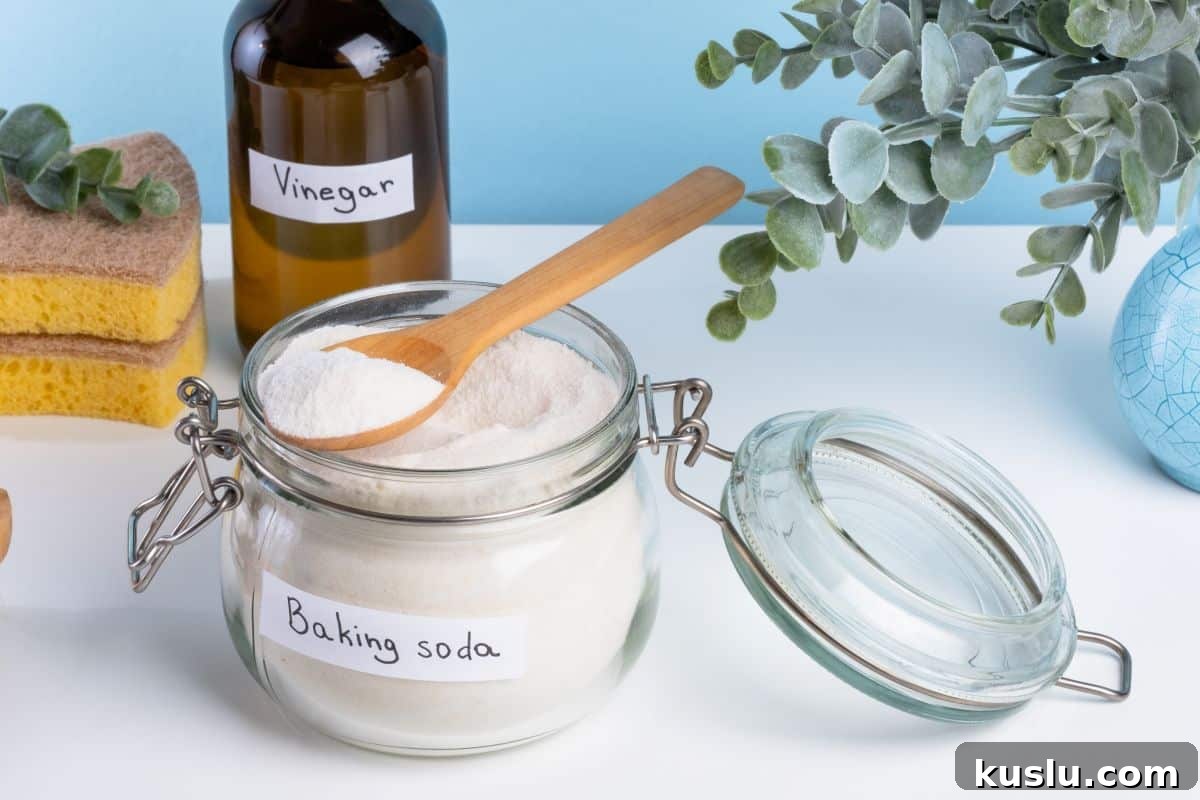
Ditch commercial cleaners and save. Kitchen, bathroom, floors, and more – here’s how I clean our house for a few dollars a month with pantry staples.
Household cleaners can take a sizeable bite out of the grocery budget, especially if you aim for expensive “natural” or “eco-friendly” brands. The good news is you don’t need dozens of bottles to keep your home clean. With just a few pantry staples you can tackle the kitchen, bathroom, floors and more — affordably and with fewer harsh chemicals.
I’ve been making my own cleaners since 2002. While I sometimes pick up a premade natural spray when it’s on sale—because life is busy—my go-to remains simple homemade solutions. Back in 2014 I could make all my cleaners for under $3 a month; with rising prices that’s closer to $5 now, which is still far cheaper than most commercial options.
For perspective, a store-bought natural spray can cost around $4 for 600 ml, while two litres of white vinegar can be under $2 and 500 g of bicarbonate of soda a couple of dollars. Those basics last a long time and do multiple jobs that single-purpose sprays cannot.
There’s also a health and environmental upside. Many commercial cleaning products emit volatile organic compounds (VOCs) and other chemicals that can worsen indoor air quality and contribute to respiratory issues, allergies and headaches. When these chemicals flow into waterways they can harm aquatic life. Using simple ingredients like vinegar, baking soda and a little dish soap reduces chemical exposure at home and lessens environmental impact.
These are the Budget Cleaning Ingredients I Keep Stocked
You don’t need elaborate products. A handful of everyday items cover almost every cleaning task and many have other uses around the house.
Here’s what I keep on hand:
1. White Vinegar
White vinegar is the workhorse of DIY cleaning. Its acidity helps break down grease and grime, and it has mild antibacterial properties. Use it for windows, benchtops, bathroom surfaces, toilets, floors and more. It’s cheap, versatile and food-safe in small amounts, which makes it a reliable choice for many jobs.
2. Bicarb Soda (Baking Soda)
Baking soda is a gentle abrasive and excellent deodoriser. It’s ideal for scrubbing sinks, tubs, ovens and stovetops, and it helps neutralise unpleasant smells in drains or bins. A small sprinkle goes a long way and it lasts ages in the pantry.
21 Clever Uses for White Vinegar in The Frugal Home
20 Brilliant Ways to Use Bicarb (Baking) Soda (Your Home’s Secret Weapon)
3. Tea Tree Oil
Tea tree oil is optional but handy. It has natural antibacterial and antifungal properties and a clean scent that often doesn’t trigger sensitivities like artificial fragrances can. Use a few drops in a spray bottle with vinegar and water for extra germ-fighting power. Store tea tree oil in a dark bottle away from sunlight — properly stored it can last up to two years.
4. Dishwashing Detergent
A small amount of dishwashing liquid is excellent for cutting grease on stovetops, oven doors and surfaces with built-up grime. It also helps mixes oil and water in homemade sprays, improving their cleaning performance. A tiny squirt is usually enough.
5. Washing Soda (Optional)
Washing soda is a stronger alkaline cleaner that’s useful for heavy-duty jobs like deep-cleaning floors, soaking burnt-on food from baking dishes, or as an ingredient in homemade laundry powder. You’ll often find it in the laundry aisle and a little goes a long way.
Important safety note: Never mix cleaning chemicals. Do not combine bleach with vinegar or with ammonia — mixing these can produce toxic gases that are dangerous or even fatal.
Clean Your Kitchen Naturally (and Thoroughly)
Vinegar and tea tree oil both have properties that help reduce bacteria and mould, making them excellent for kitchen surfaces. For everyday cleaning, an all-purpose spray of vinegar, water, a few drops of dishwashing liquid and a couple of drops of tea tree oil is effective and simple.
For a deeper clean, sprinkle baking soda on benchtops or in sinks, spray with your cleaner, let it fizz briefly, then scrub and rinse. Use the same method for cupboard doors, fridge shelves or stovetops: baking soda on a damp cloth, mist with cleaner and wipe down.
For greasy oven messes a little dishwashing liquid on a damp cloth helps remove grime; follow with a vinegar spray to finish. In extreme cases of baked-on debris, heavy-duty commercial oven cleaners may still be the most practical option.
A Frugal Bathroom Scrub
Vinegar and tea tree oil can help control mould. Spray undiluted vinegar on mouldy areas, leave for an hour, then wipe away with a wet cloth. For soap scum, baking soda and a homemade spray or plain dishwashing liquid usually do the job well.
Keep a squeegee in the shower to reduce water spots and soap build-up; even kids can help with quick wipe-downs. For baths, spray the surface, sprinkle baking soda and scrub with a cloth. Wipe countertops and other bathroom surfaces with the all-purpose spray for a quick finish.
Cleaning the Toilet (No Nasty Chemicals Required)
Pour a small amount of undiluted vinegar into the bowl and let it sit to loosen stains. Sprinkle baking soda around the bowl, scrub with a toilet brush, then wipe the seat and rim with a damp cloth and baking soda. Finish with a wipe using your all-purpose spray for a fresh result.
Clean Your Floors With Pantry Basics
Mop hard floors with hot water, a splash of vinegar and, if needed, a small teaspoon of baking soda or a drop of dishwashing liquid. Use sparingly — too much can leave residue or an odd feel to the floor. Washing soda can be used for heavier-duty floor cleaning if desired.
For carpet stains, lightly spray a diluted vinegar solution and blot with a towel — old terry cloths work well for absorbing stains. Always test a hidden spot first if you’re unsure about colorfastness.
Save Even More with Reusable Cleaning Cloths
Microfibre cloths clean well and are inexpensive, but they can shed microplastics. Consider alternatives like homemade cloths from old towels, cotton T-shirts, or knitted dishcloths — all effective, reusable and more eco-friendly. Washing and reusing cloths reduces waste and saves money over time.
Many “natural” cleaners on store shelves are essentially repackaged versions of simple ingredients you likely already have. With white vinegar, baking soda, a little dish soap and an optional wash of washing soda or tea tree oil, you can clean most of your home for a fraction of the cost of branded products.
Do you make your own cleaners or cloths? What’s your routine for frugal cleaning? Share your tips and experiences in the comments below.