
The gluten-free diet can be expensive, but with a little strategy it’s possible to eat well without breaking the bank. Below are 10 practical money-saving tips to help you live gluten-free on a budget.

The most shocking part of switching to gluten-free is often the cost. A loaf of regular bread that used to cost under a dollar can suddenly be several dollars when you switch to a gluten-free version. The higher prices apply not only to bread but also to cookies, crackers, cake mixes, pasta, and many other packaged items. Studies have shown gluten-free substitutes can be substantially more expensive per gram than their conventional counterparts. That makes budgeting essential, especially for those who must follow a gluten-free diet for medical reasons. These ten tips will help you reduce costs while maintaining variety and nutrition.
1. Avoid the gluten-free aisle when possible
It may seem counterintuitive, but try to avoid relying solely on specialty gluten-free aisles. Many everyday grocery items are naturally gluten-free or are produced in ways that make them safe to eat. Reading ingredient lists and allergen statements can reveal safe, affordable options among regular products.
For example, many spice blends, chips, cereals, salad dressings, and sauces are gluten-free without carrying the premium label. Major manufacturers often follow strict allergen labeling and cross-contact prevention practices, which can give you confidence to choose the regular product and save money. Always check labels and make personal judgments based on the manufacturer’s practices and your own comfort level.
2. Utilize coupons
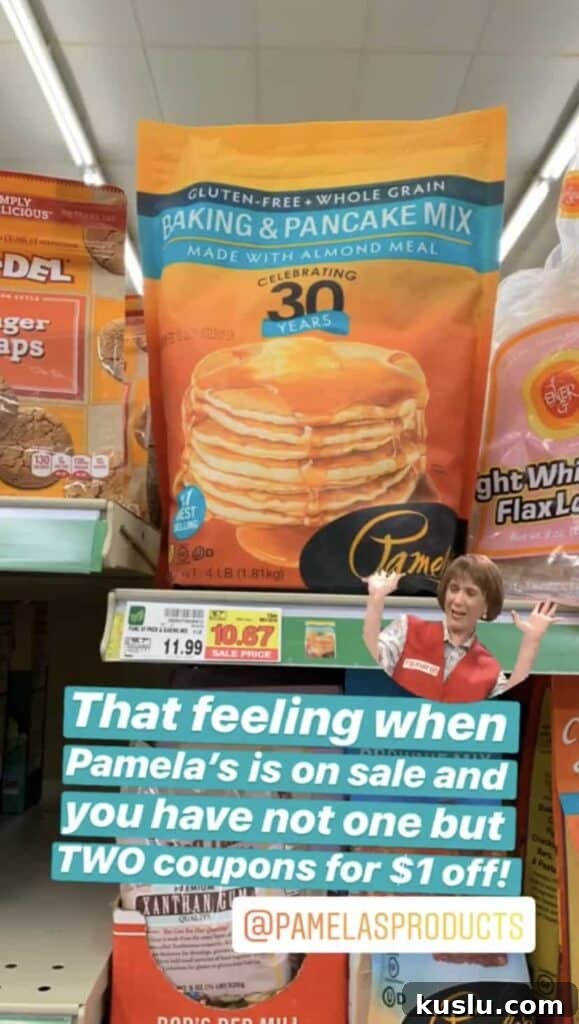
Gluten-free brands frequently offer coupons, samples, and discounts. Sign up for manufacturer emails, follow brands on social media, and search for coupon offers on their websites. Local gluten-free expos and product sampling events are also great places to pick up coupons and try new products.
Grocery store loyalty apps are another valuable resource. Many stores provide personalized digital coupons to loyalty card holders; these offers sometimes include gluten-free items. Load digital coupons to your account and combine them with weekly sales and manufacturer coupons for the biggest savings.

Pro tip: Stack store sales, manufacturer coupons, and app offers whenever possible to reduce the out-of-pocket cost.
3. Become a meal planner
Weekly meal planning centered around grocery store sales is an effective strategy for cutting costs. Review local ads, choose recipes based on sale items, and plan meals that use overlapping ingredients to reduce waste and maximize savings. When proteins or staples are discounted, build your week’s menu around those deals and stock up if the price is right.
4. Stock up
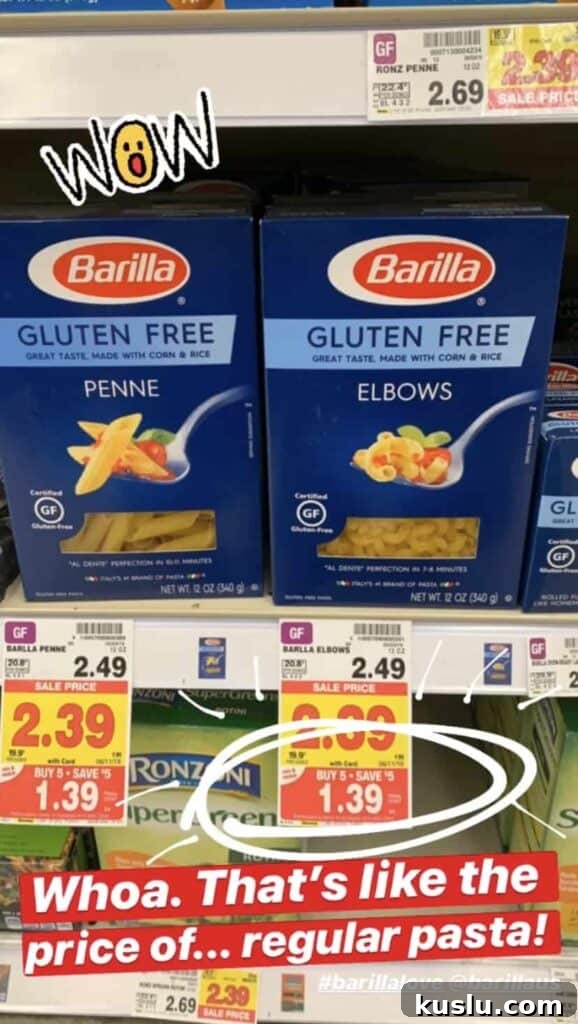
When you find a truly good deal, buy extra—provided you will use the items before they expire. Buying multiples of an item during a sale can dramatically lower your per-unit cost. Just be careful not to overbuy perishables you won’t use, as that cancels any savings.
5. Get a gluten-free(zer)
Freezing many gluten-free staples extends their shelf life and helps prevent spoilage. Store flours, starches, bread, buns, nuts, and other vulnerable items in a dedicated freezer to keep them fresh longer. A small deep freezer or a designated section of your freezer can be a great investment—especially if you buy in bulk during sales.
6. Make the most of your gluten-free purchases
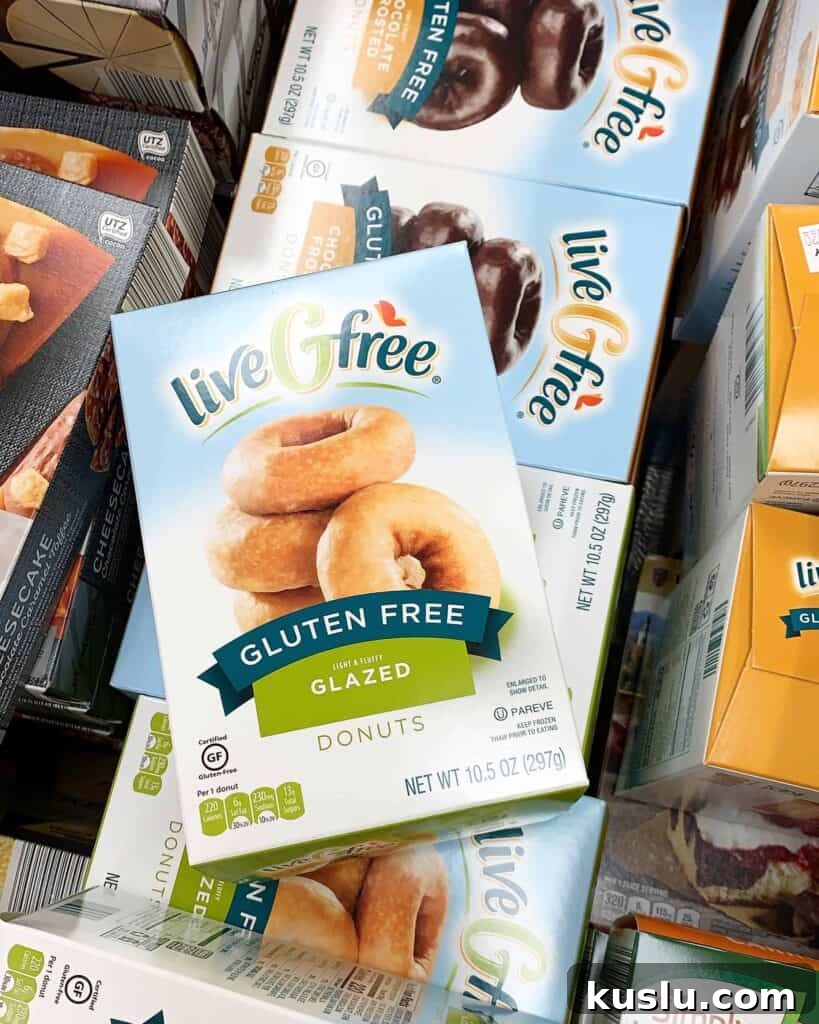
Minimize waste by freezing leftovers and storing opened products properly. Many gluten-free breads and buns freeze well when tightly wrapped; take advantage of this to avoid tossing stale bread. For larger frozen items like pizzas, consider cutting them into portions before cooking so you can re-freeze and enjoy multiple meals from one purchase.

7. Learn to love shopping online
Online retailers often have competitive prices and larger selections of gluten-free products. Shop sites you trust, watch for free shipping thresholds, and time purchases to take advantage of sales. Specialty membership retailers and warehouse sellers can offer significant discounts on favorite items—just consolidate orders to meet free shipping or bulk purchase thresholds when possible to maximize savings.

8. Buy in bulk when you can
Buying larger quantities often lowers the unit price. Compare per-pound or per-ounce prices across retailers before committing to a bulk purchase. If the cost per unit is lower and you have storage space or a freezer to preserve the items, bulk buying is usually worth it.
9. It’s okay to share the kitchen
Running a 100% gluten-free household is ideal for those with severe sensitivity, but it isn’t always necessary or realistic for every family. You can coexist with gluten in the kitchen by setting clear rules to prevent cross-contact: keep gluten flours out of shared spaces, use a separate toaster, label gluten-free jars and condiments, and maintain strong cleaning routines. If you are the main cook and cleanup person, your vigilance can reduce risk while saving money on duplicate kitchenware and specialty items.
10. Realize you’re probably saving money in other ways
Going gluten-free often means cooking at home more and dining out less, which can offset the higher price of packaged gluten-free products. Reallocating money you used to spend on frequent takeout or coffee shops toward groceries can balance your budget. Over time, as you become familiar with brands, local sales, and online sources, the initial sticker shock diminishes and you’ll spot better deals more quickly.

With planning, smart shopping, and a few small changes to storage and meal habits, living gluten-free on a budget is achievable. What are your favorite money-saving tips? Share your best ideas in the comments below.