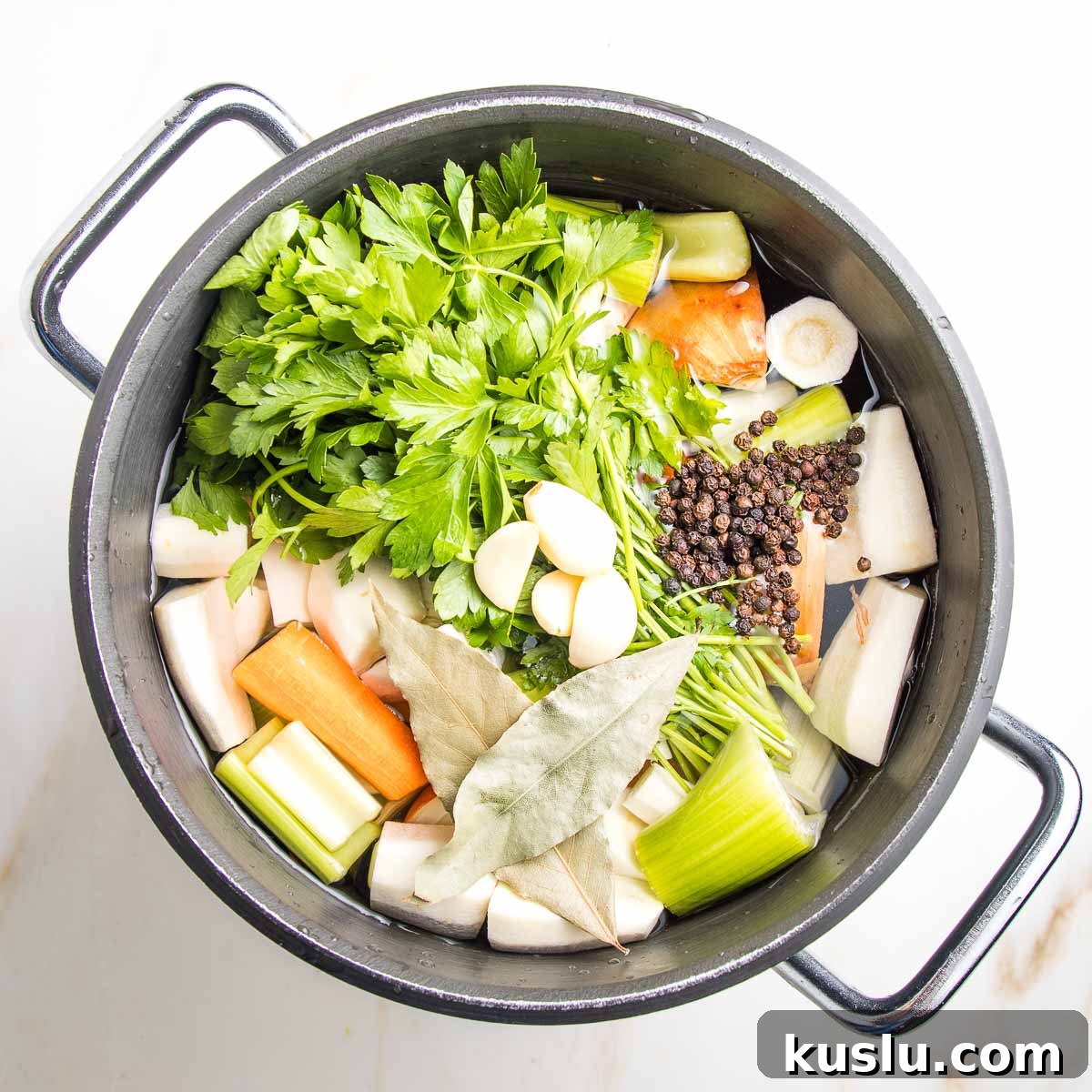
Homemade vegetable broth is simple to make, far less expensive than store-bought boxes, and healthier when you control the ingredients. Vegetable broth is a kitchen staple, useful for soups, sauces, and holiday recipes like Thanksgiving sides.
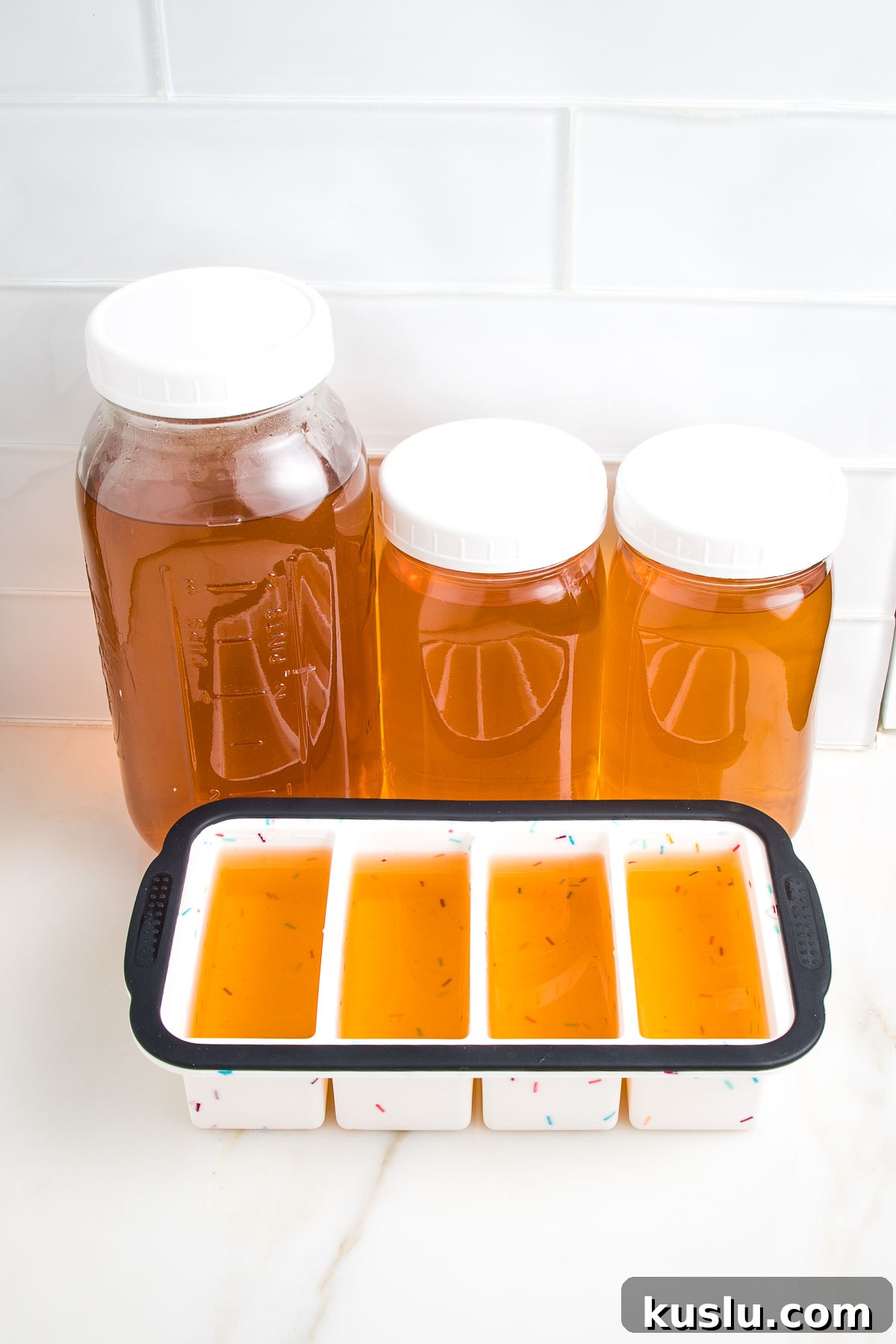
This post was updated from the original published January 11, 2016.
Keep a batch of homemade vegetable broth on hand for everyday cooking and special meals. It freezes well in portions, is easy to customize, and avoids the additives, excess sodium, and MSG often found in commercial bouillon and boxed stock. If you prefer a shelf-stable option, consider a homemade vegetable bouillon powder to make broth quickly, but this recipe gives you a fresh, no-salt liquid base you can trust.
What is vegetable broth?
Vegetable broth is made by simmering vegetables and aromatics in water until the flavors and nutrients are extracted into the liquid. A good vegetarian broth is often called “liquid gold” for its ability to add depth and nourishment to many dishes.
Ingredients and Substitutions
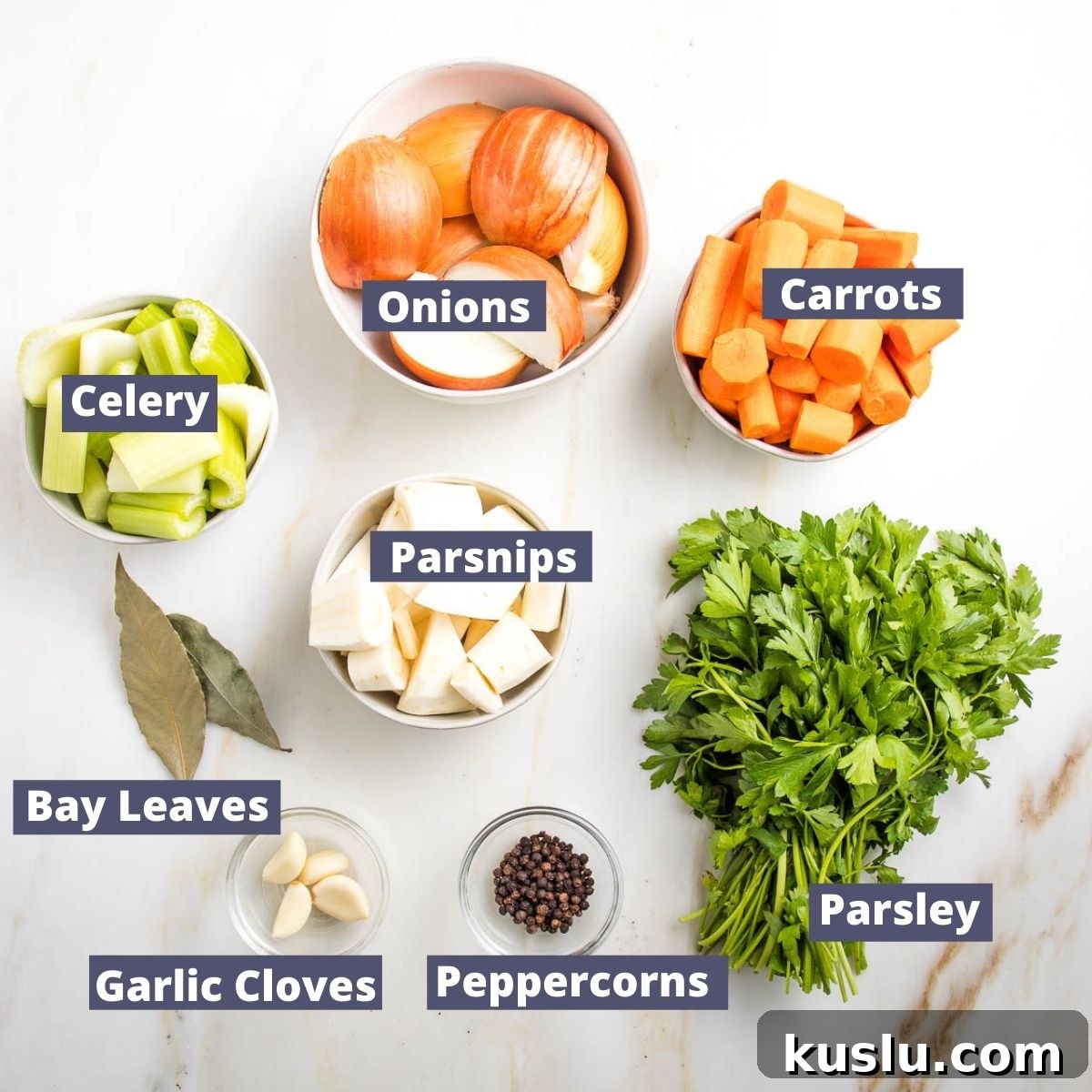
- Onions: Alternatively use leeks or fennel.
- Carrots: Add sweetness and golden color.
- Celery: Include the leaves for extra flavor.
- Parsnips: Can be substituted with turnips or celeriac.
- Parsley: Fresh parsley is ideal; thyme or oregano also work.
- Bay leaves: Add a subtle layer of flavor; dried thyme can substitute.
- Garlic: Use whole cloves; chives or garlic scapes can substitute.
- Peppercorns: Whole peppercorns add gentle warmth and are strained out before use.
Variations
For a basic, versatile broth keep the core vegetables simple. If you have a specific cuisine or dish in mind, tailor the broth by adding complementary ingredients while simmering:
- Asian: fresh ginger, shiitake mushrooms, scallions.
- Mexican: tomatoes, jalapeños.
- Sweet: sweet potato, winter squash, apples or pears.
- Other: zucchini, summer squash, asparagus, potatoes or turnips.
Avoid strongly colored or pungent vegetables (beets, purple carrots, cabbage, cauliflower, broccoli, Brussels sprouts, and very bitter greens) for a clear, neutral stock. Those are better added directly to soups made with stock rather than used as the base for basic broth.
Need veggie broth in a hurry?
If you want instant convenience without chemicals, make a homemade bouillon powder that you can dissolve in hot water to make broth in a minute. It stores well and lets you control the salt.
How to make vegetable broth from scratch
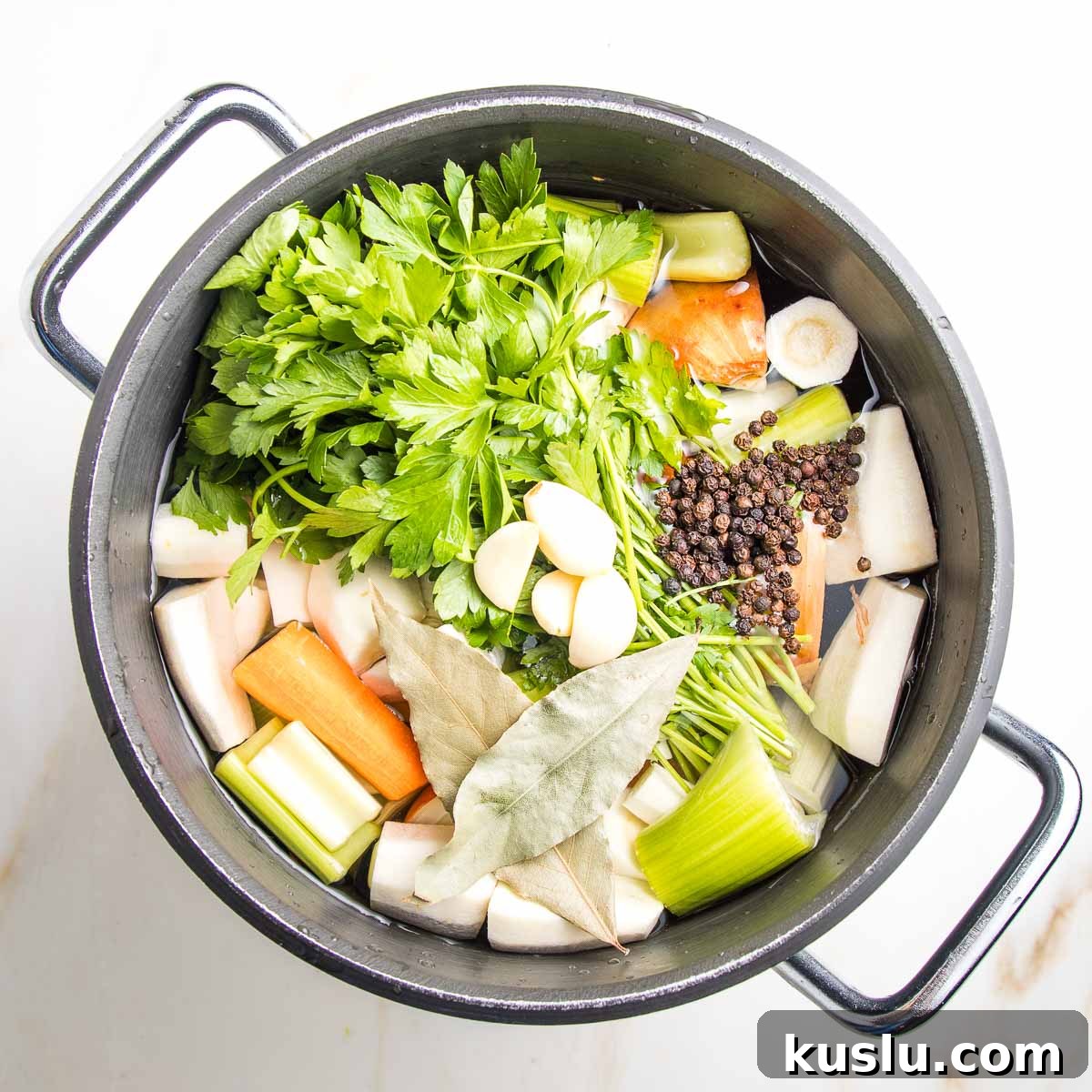
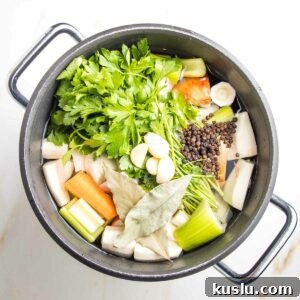
Fill a large stockpot with quartered onions, roughly chopped carrots, parsnips and celery. Add a bunch of fresh parsley, whole garlic cloves, bay leaves and a tablespoon of whole peppercorns.
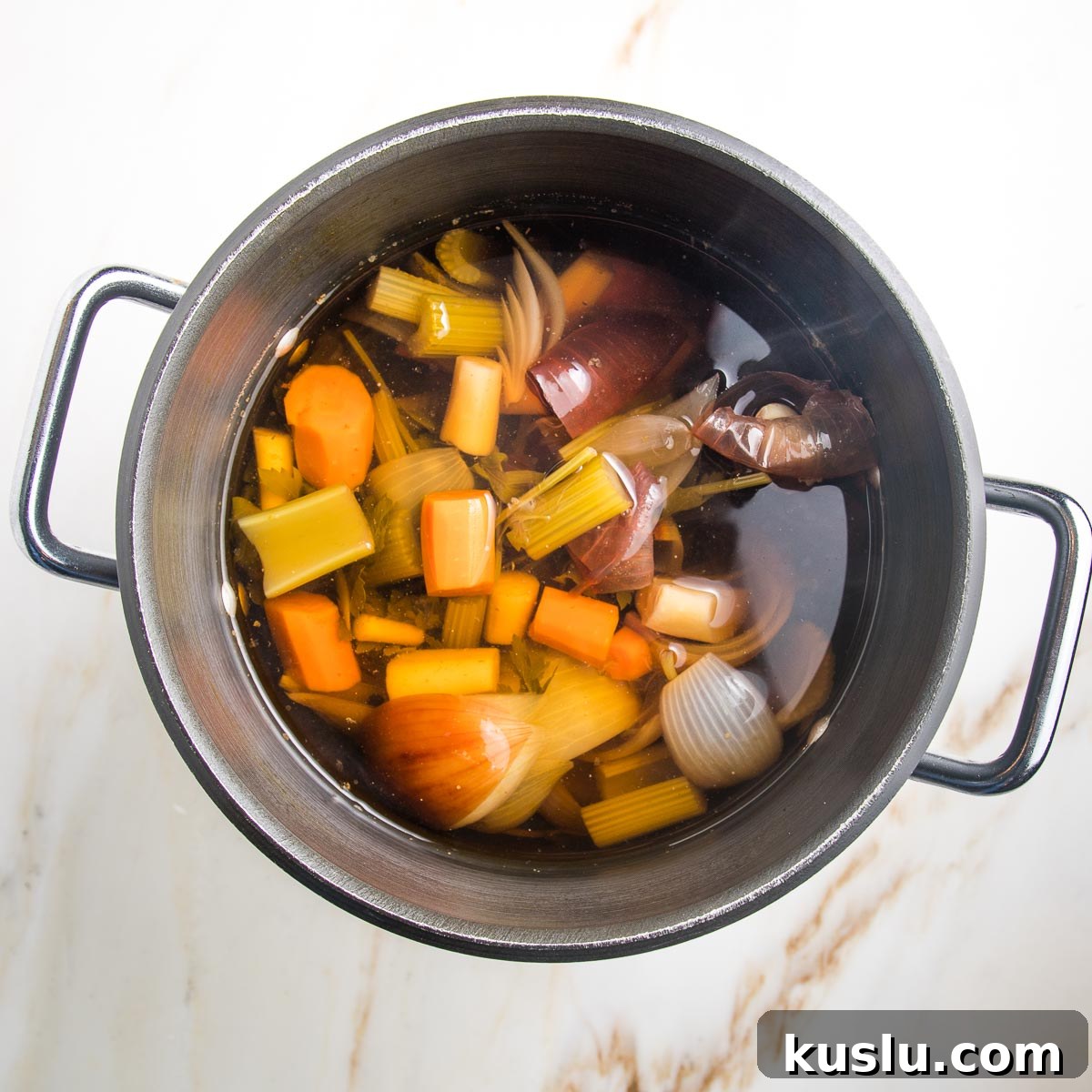
Cover with water and bring to a boil. Reduce to a simmer and cook uncovered for 45 minutes to an hour. When the broth is done, strain the vegetables through a colander or fine mesh strainer—all the flavor and nutrients remain in the liquid. Allow the broth to cool completely before transferring to storage containers.
Discard cooked vegetables, compost them, or—if you want a creamy soup—purée the strained veggies (after removing bay leaves and peppercorns) and stir back into the broth. Taste and add a pinch of salt only if desired.
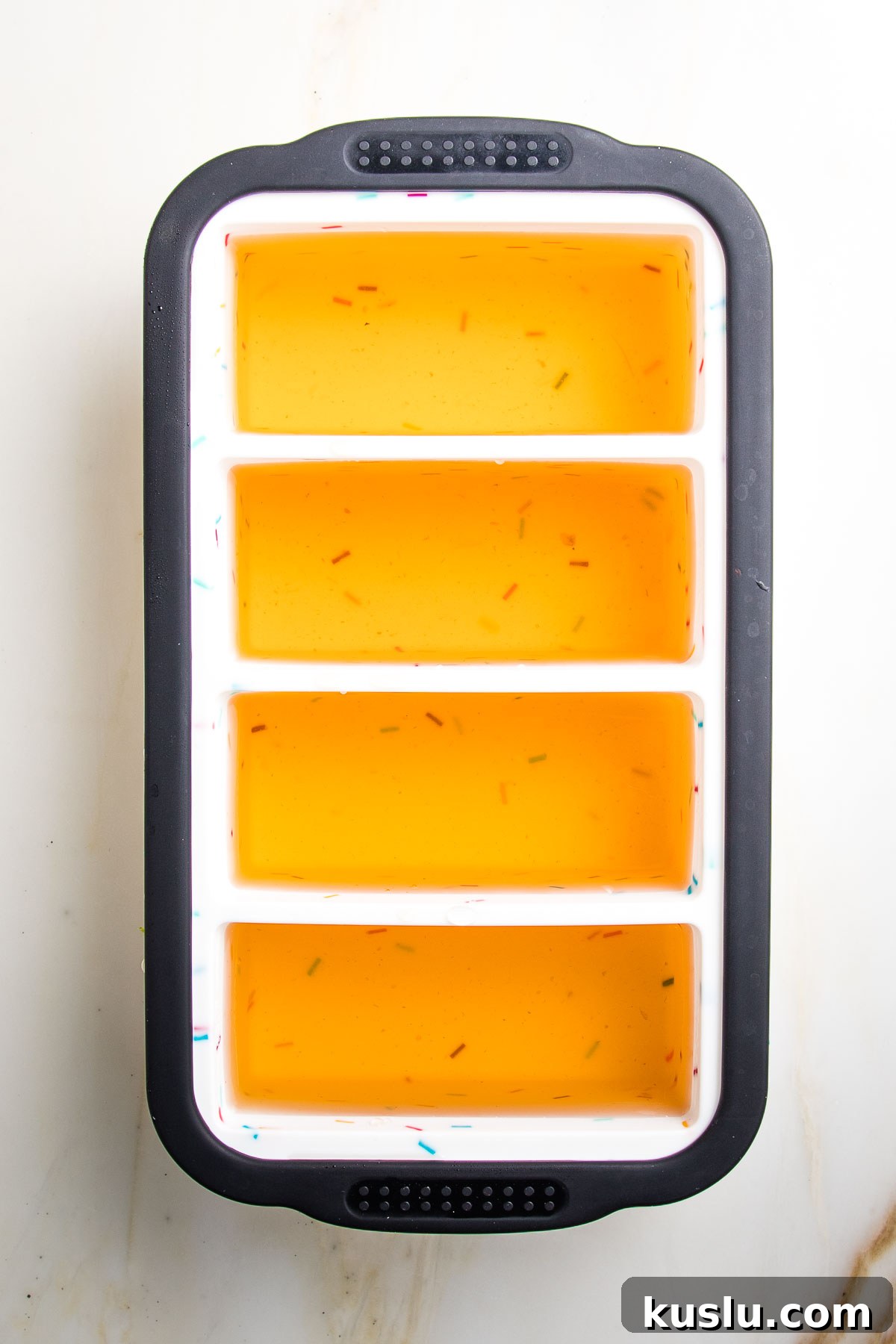
Freeze broth in portions that match how you cook: 1-cup cubes, quart containers, or small tablespoon-sized cubes for deglazing pans. Silicone molds are convenient; once frozen, transfer cubes to freezer-safe bags to save space.
Why is homemade vegetable broth better?
- Budget friendly: Homemade stock can yield several quarts for much less than the cost of boxed stock.
- Rich and flavorful: Whole fresh ingredients produce deeper, cleaner flavor without flavor enhancers.
- Nourishing: No preservatives, no MSG, and no processed oils. Make it to suit dietary needs—omit or add ingredients as needed.
- Custom storage: Freeze in the exact portions you use so you only thaw what you need and avoid waste.
- No added salt: Homemade no-salt broth is easy to make and ideal for low-sodium diets.
What’s the difference between stock and broth?
The terms “stock” and “broth” are often used interchangeably in vegetarian cooking. Traditionally, stock is unseasoned and often made from bones, while broth is seasoned and ready to sip. For vegan preparations, the distinction is mostly semantic—use the liquid you make interchangeably in recipes.
Debra’s Pro Tips
- Keep a bag of vegetable scraps in the freezer (carrot peels, onion ends, herb stems, mushroom stems). Add them when you make broth to deepen the flavor.
- Freeze in multiple sizes so you can thaw only what you need: quarts for soups, 1-cup portions for recipes, and small cubes for deglazing pans.
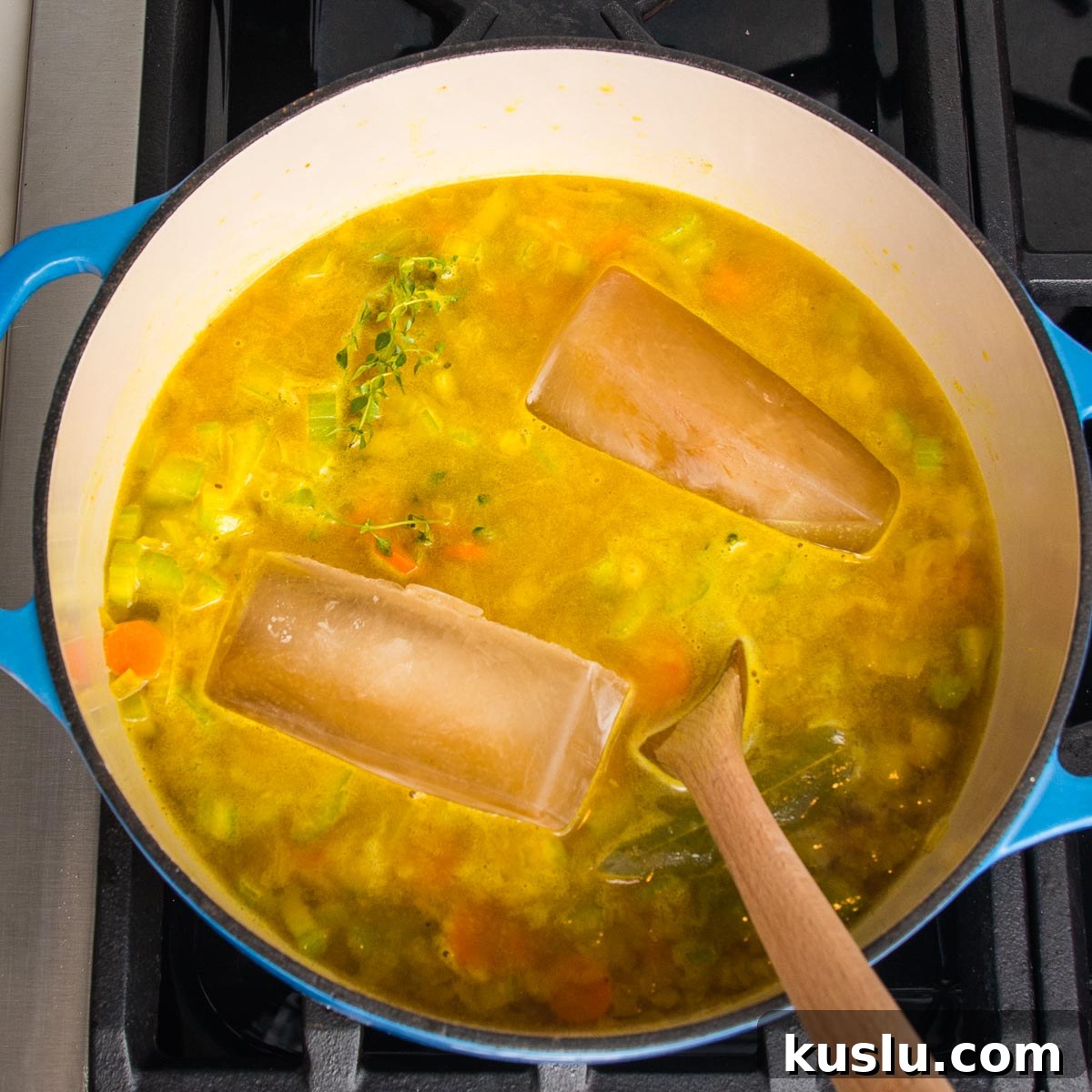
- Use frozen broth cubes directly in a simmering pot; they melt quickly and are convenient for quick adjustments.
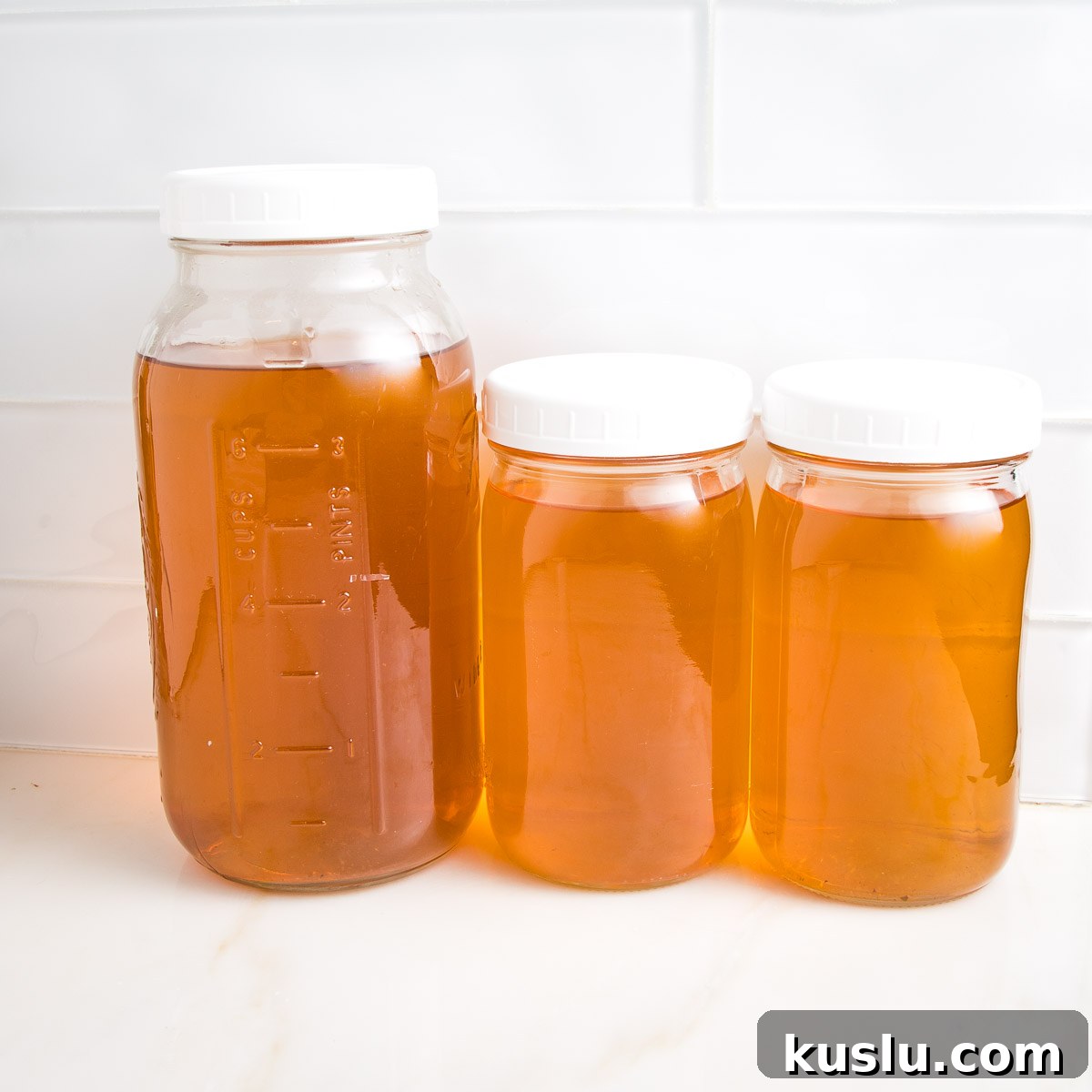
- If using glass jars, leave headspace for expansion to prevent cracking.
- If you’re used to salty, commercial broths, allow time to adjust to the cleaner taste of no-salt homemade stock and adjust final seasonings after tasting.
Recipes that use homemade vegetable broth
- Vegan Mushroom Stroganoff Recipe
- Easy Vegan Gravy Recipe
- Homemade Red Enchilada Sauce
- Gluten-free Cornbread Stuffing
Commenting and rating recipes helps food bloggers. If you make this recipe, consider leaving a rating and sharing a photo on Instagram by tagging @dkhealthcoach and using #debraklein.
📖 Recipe
Vegetable Stock
Equipment
- Souper Cubes Silicone Freezer Tray
- Stainless Steel Stock Pot
Ingredients
- 2 onions
- 4 large carrots
- 3 parsnips
- 3 stalks celery
- 4 cloves garlic, peeled
- 1 bunch parsley
- 2 bay leaves
- 1 Tablespoon peppercorns
- 5 quarts water
Instructions
- Prepare the vegetables: quarter the onions (leave skins on if you prefer more color), scrub or peel the carrots and parsnips and roughly chop, trim and chop the celery, leave garlic cloves whole, and rinse the parsley.
- Place all vegetables in a large stockpot and pour in 5 quarts (20 cups) filtered water to cover them. Add bay leaves and peppercorns.
- Bring to a boil over medium-high heat, then reduce heat and simmer uncovered for 45 minutes to an hour.
- Strain the broth, reserving the cooked vegetables to compost or purée if desired.
- Cool the stock and transfer to covered containers. Refrigerate up to one week or freeze up to three months. Leave headspace in glass jars for freezing.
Notes
Nutrition
Calories: 34 kcal
Carbohydrates: 8 g
Protein: 1 g
Sodium: 36 mg
Fiber: 2 g
Sugar: 3 g
Note
Nutrition calculations are approximate. For the most accurate results, calculate nutrition using the exact ingredients you use.