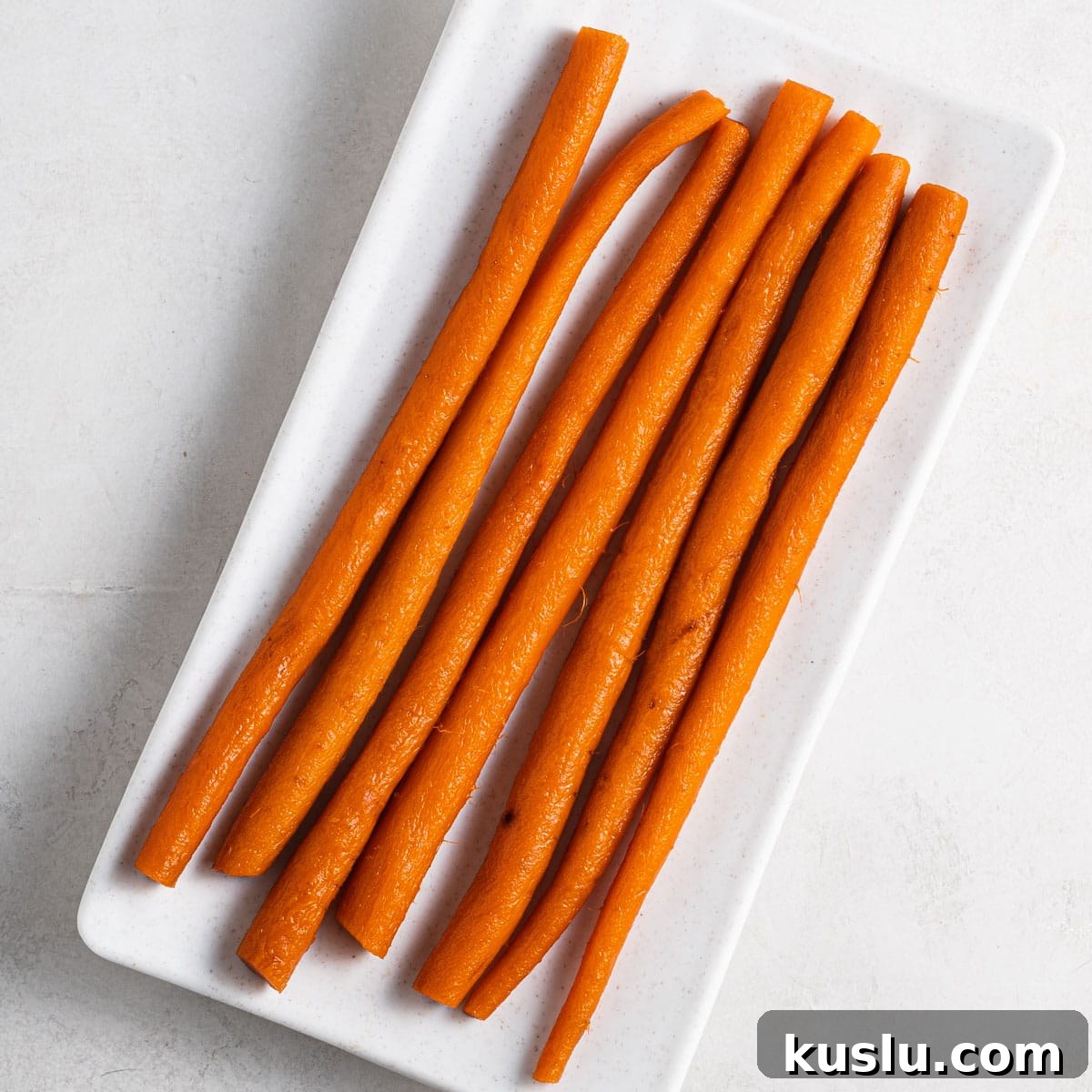
Bright orange, crunchy, slightly sweet and tangy—yamagobo is the striking pickled burdock root often tucked into sushi rolls or served in bento boxes. This Japanese staple delivers bold texture and flavor, and the good news is you can make it easily at home with a handful of pantry ingredients.
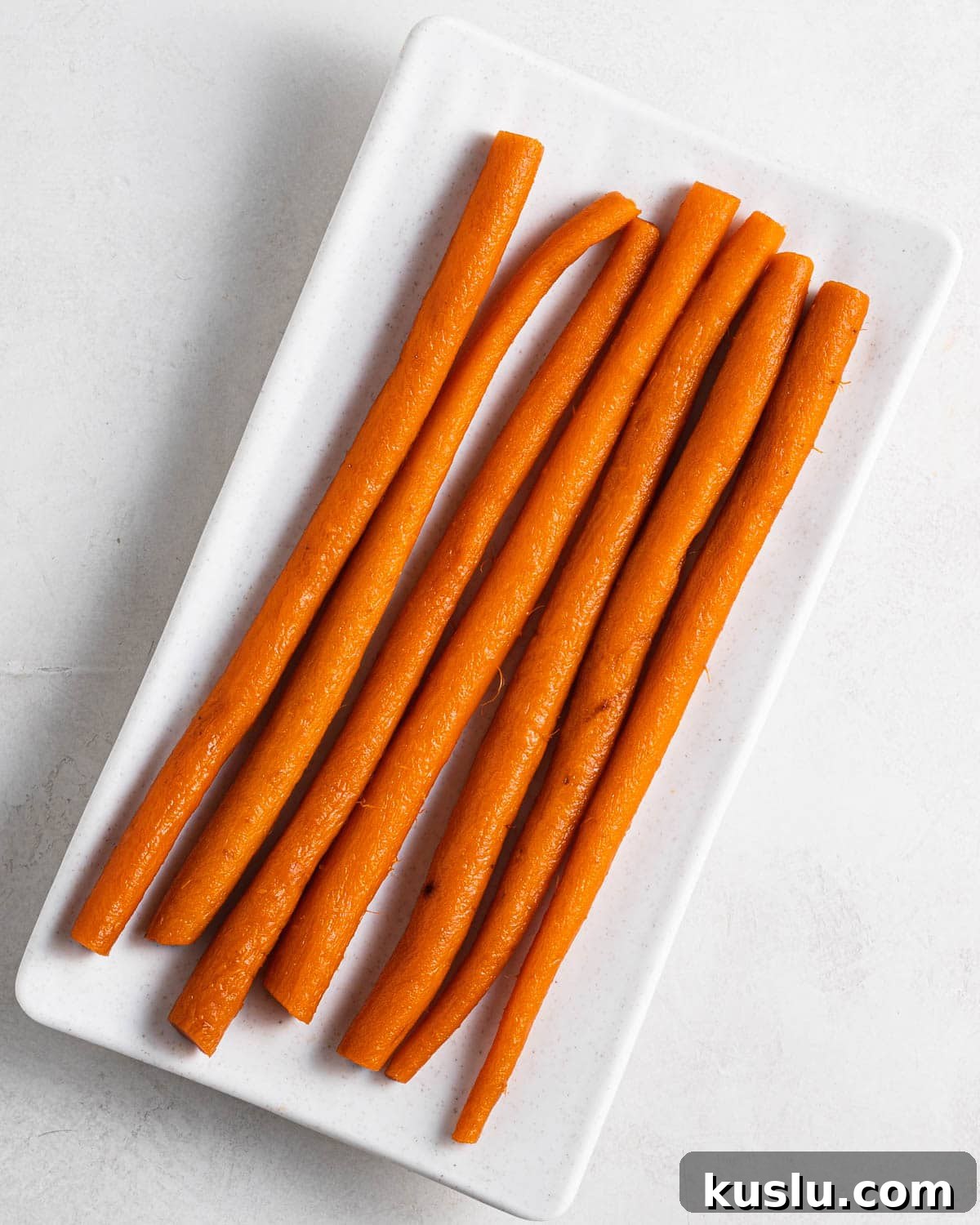
Yamagobo is an underrated condiment: simple to prepare, attractive to serve, and addictive once you try it. It brings color, crunch and a bright, balanced flavor to many dishes.
So… What Is Yamagobo?
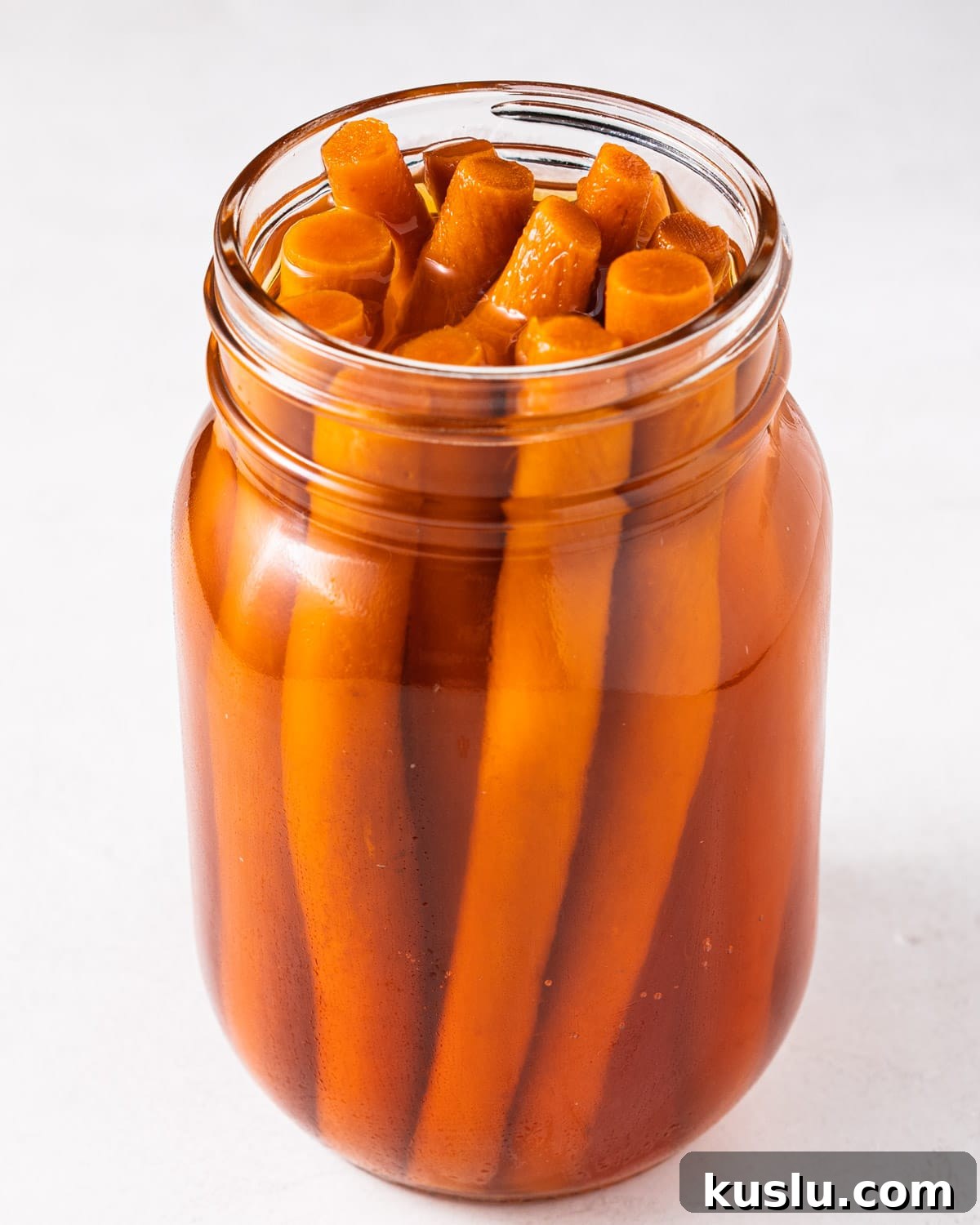
Yamagobo (yah-mah-GOH-boh) is Japanese pickled burdock root. Traditionally it is colored a vivid orange and combines sweet, tangy and savory notes. You’ll commonly see it in futomaki rolls, alongside pickled daikon or ginger, or enjoyed on its own as a crunchy palate cleanser.
What Does Yamagobo Taste Like?
Burdock root has a subtle earthy, nutty flavor and a satisfying crunch—think of it as somewhere between a carrot and lotus root. When pickled, it absorbs the brine’s sweetness and acidity, plus a touch of umami from soy sauce. The result is bright, refreshing and bold without overwhelming the palate.
Where to Buy Yamagobo
Pre-made yamagobo is often available at Asian grocery stores in the refrigerated section near pickles or sushi ingredients, packaged in jars or vacuum-sealed packs. If you don’t find it, making your own is straightforward with fresh burdock root and common pantry items.
How to Pick the Best Burdock Root
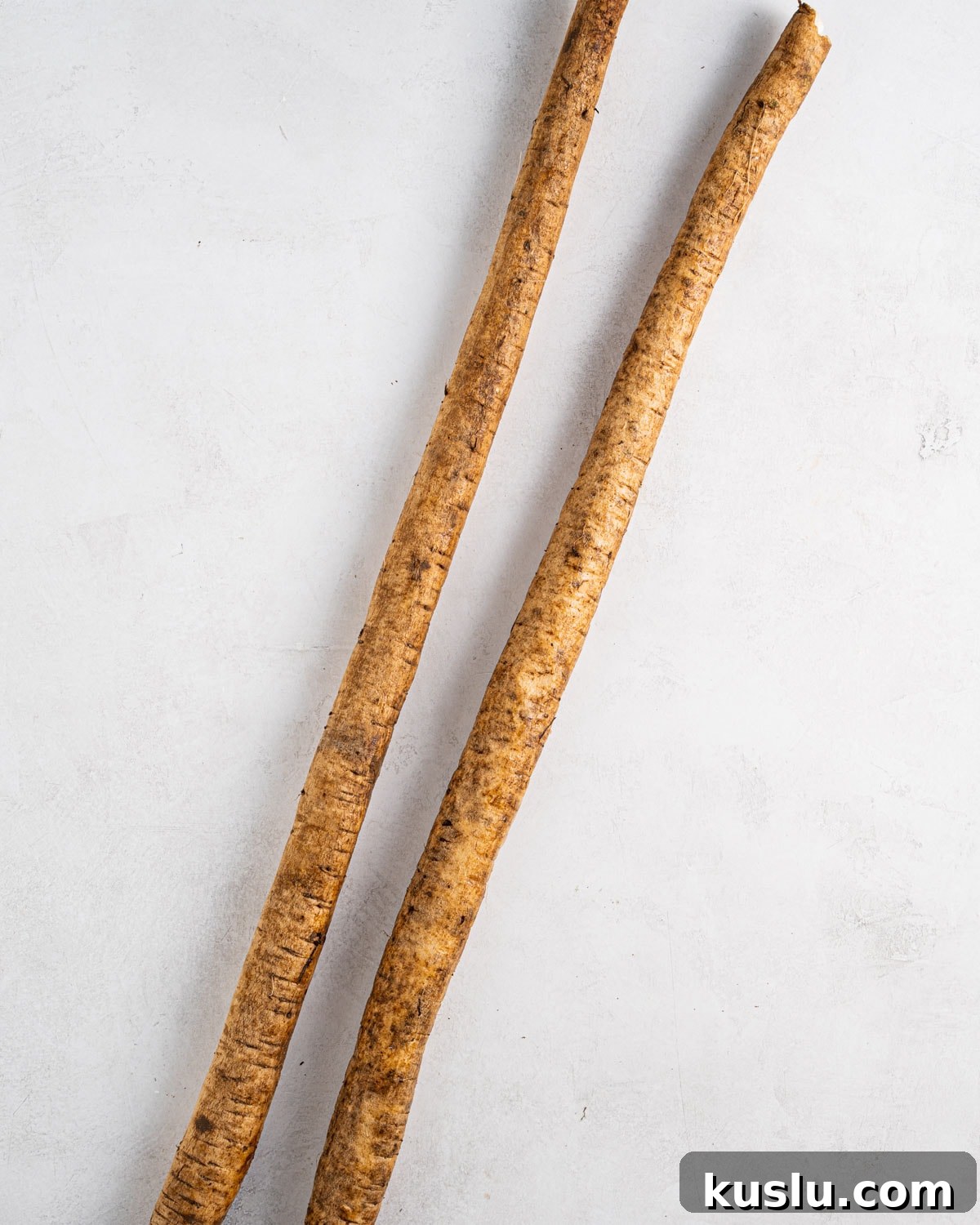
Burdock root usually appears as long, woody sticks. Choose roots that are:
- Firm: Avoid soft spots or wrinkling.
- Light brown with minimal blemishes: Smooth skin and few bruises are ideal.
- Thinner when possible: Slender roots tend to be more tender and flavorful.
Pro tip: If you buy pre-cut pieces, pick uniform, unblemished segments for easier prep.
The Best Way to Cut Burdock Root
Prep steps:
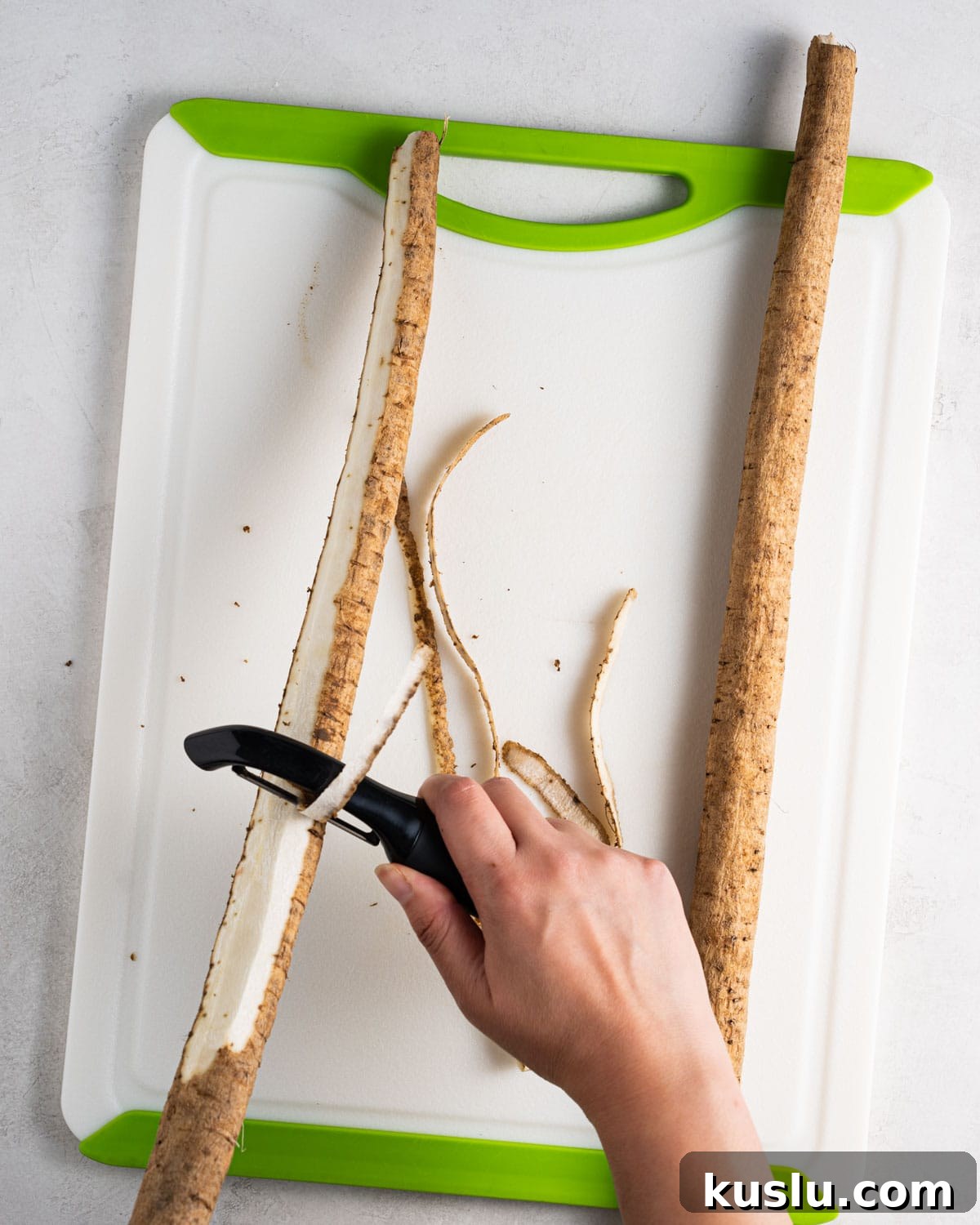
- Remove the skin: Scrape with the back of a knife, use a vegetable peeler, or gently scrub to remove the thin outer layer.
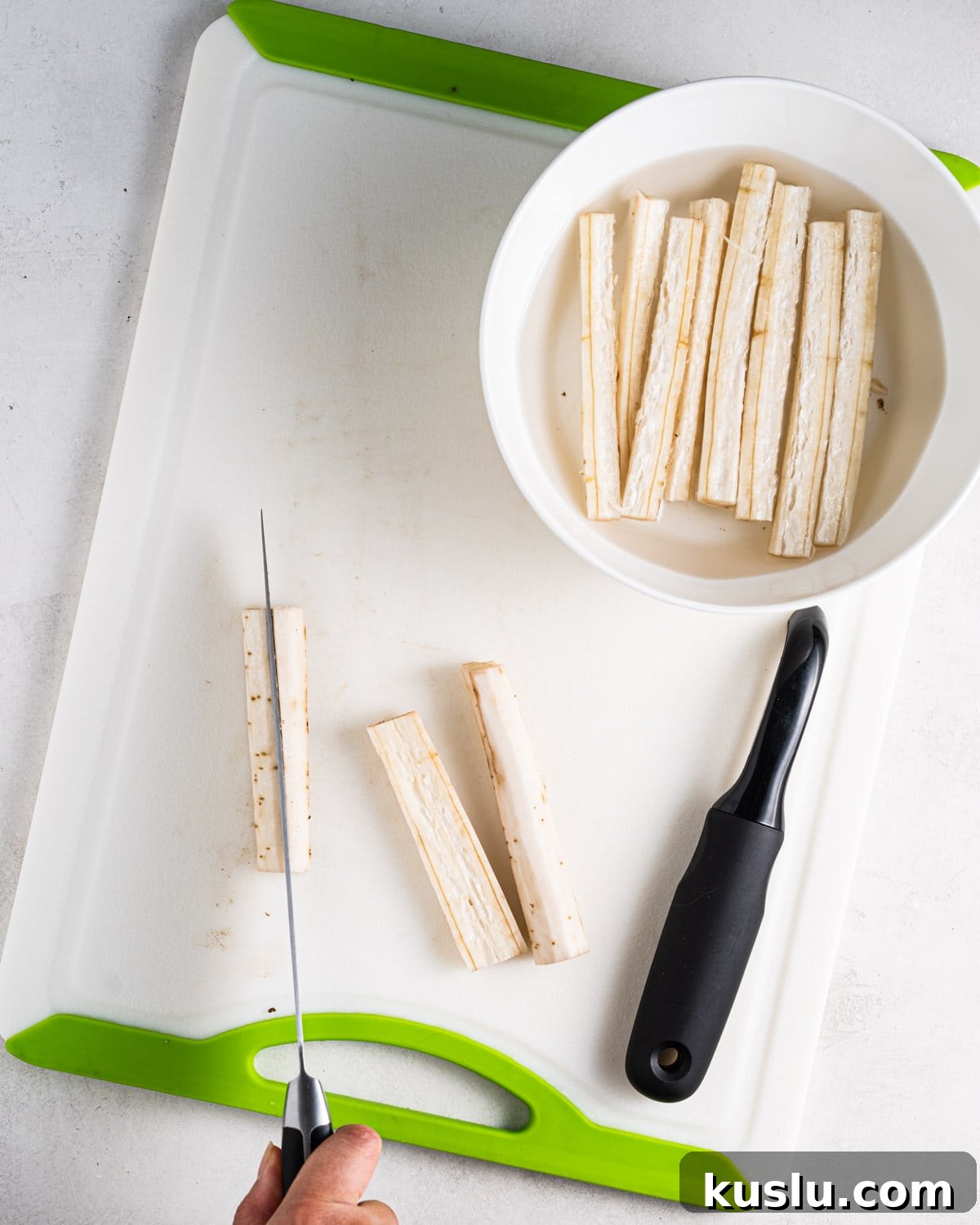
- Cut into matchsticks: Slice into 3–4 inch sections, then cut into long, thin sticks to resemble the classic yamagobo look.
- Soak in water: Place the sticks in cold water with a splash of vinegar to prevent discoloration while you make the brine.
Yamagobo Ingredients (and a Few Helpful Swaps)
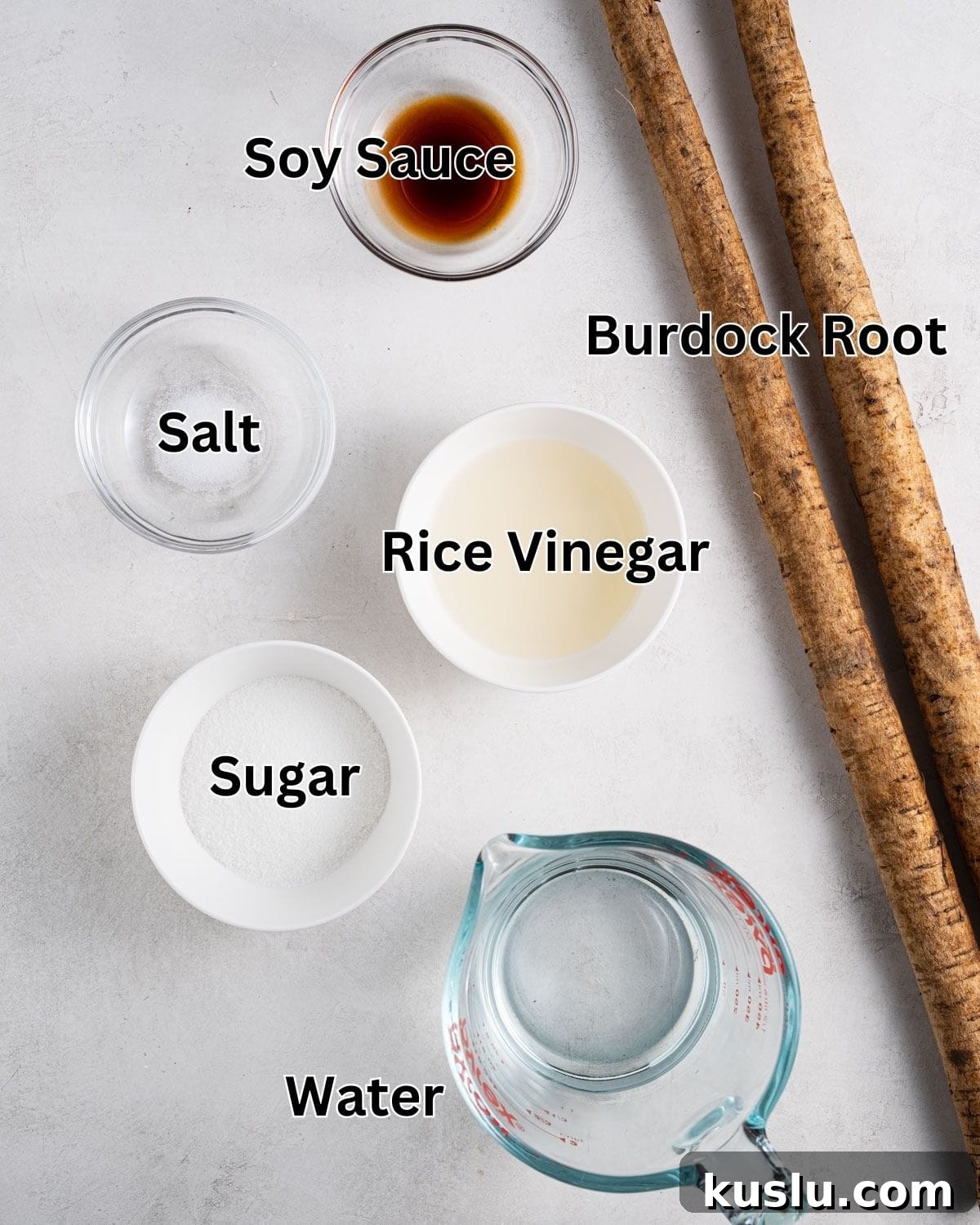
To make homemade yamagobo you will need:
- Fresh burdock root – firm, preferably thin.
- Rice vinegar – for tang; white vinegar can be substituted in a pinch.
- Sugar – balances acidity and yields the classic sweet pickle flavor.
- Salt – seasons and aids in pickling.
- Soy sauce – adds savory depth.
- Carrot powder or orange food coloring – optional, to achieve the familiar orange hue.
Please scroll ⬇️ to the recipe section below for ingredient amounts and full instructions.
How to Make Yamagobo at Home
Overview:
- Prep the burdock: Peel, cut into matchsticks, and soak briefly in vinegar water.
- Make the pickling liquid: Dissolve sugar in hot water, then add rice vinegar, soy sauce and salt. Stir in carrot powder or a few drops of orange coloring if desired.
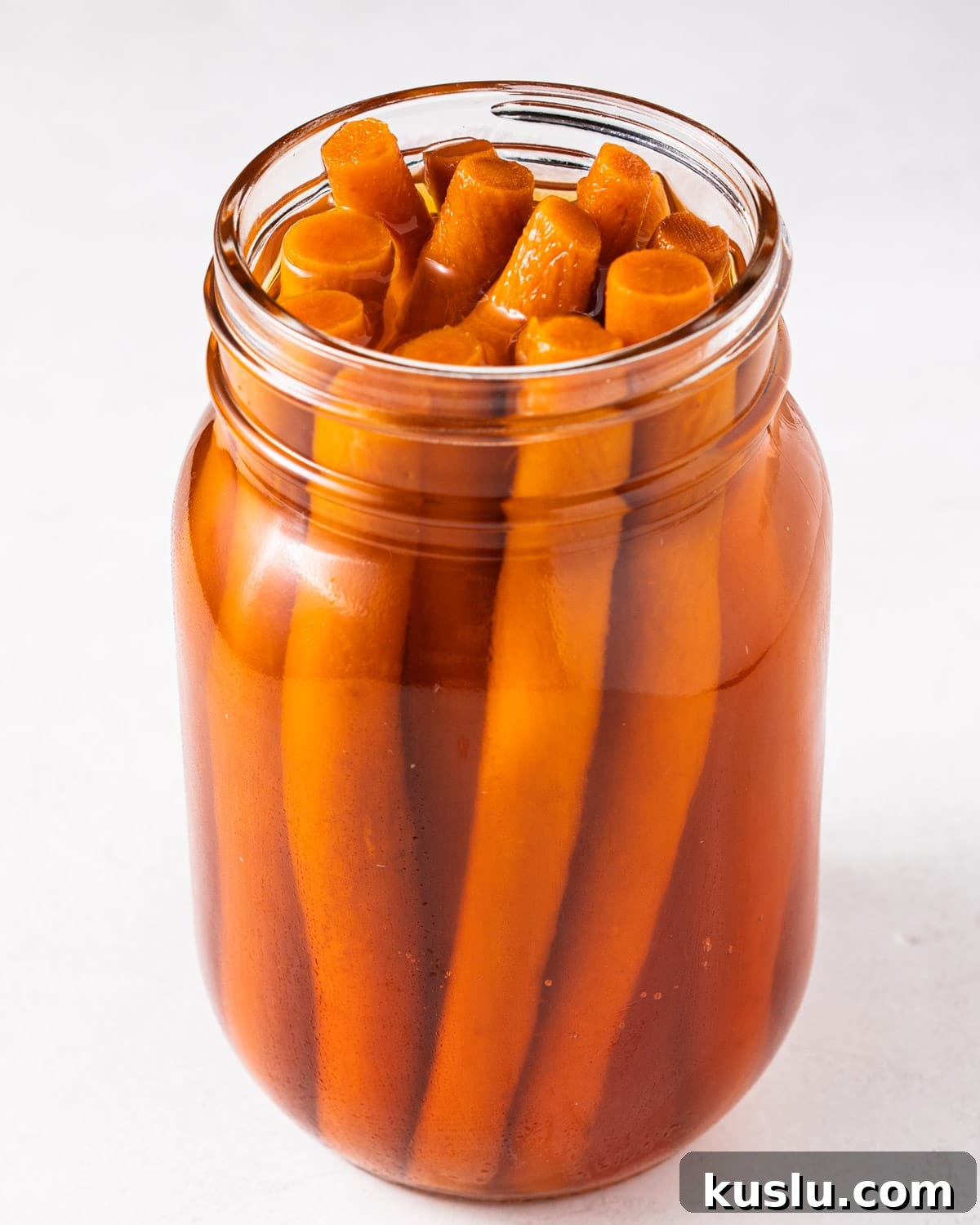
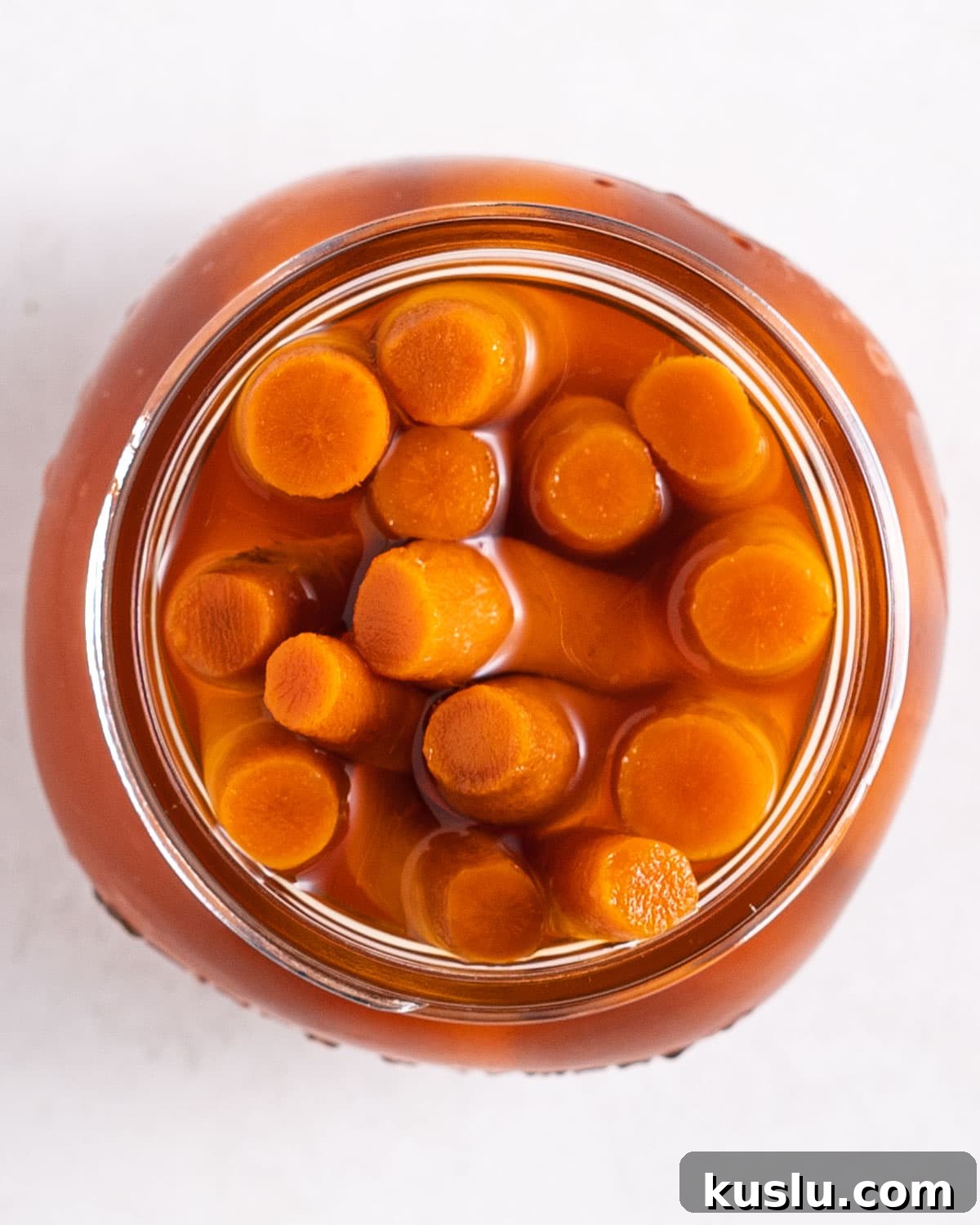
- Combine: Pack the burdock sticks into a clean jar and pour the cooled brine over so the roots are fully submerged.
- Chill: Seal and refrigerate. Allow at least 24 hours for flavor; 3–5 days yields a more developed tang and crunch.
Tips for the Best Pickled Burdock Root
✔️ Use a mandoline for uniform slices if you want ultra-crisp matchsticks.
✔️ Soak the burdock after cutting to prevent browning and reduce bitterness.
✔️ Don’t overcook—brief exposure to hot brine keeps the crunch.
✔️ Make it ahead: flavor improves after a day or two in the fridge.
What to Serve with Yamagobo
Yamagobo adds crunchy tang to many dishes: futomaki or gobo sushi rolls, sides alongside pickled daikon and ginger, poke or rice bowls, Korean-style bowls, or stir-fried noodles. It also pairs well with grilled meats like bulgogi, lemongrass pork, or simply with tofu. And if you like bold snacks, it’s delicious straight from the jar.
How to Store Yamagobo
Keep pickled burdock in an airtight container or clean glass jar in the refrigerator. Properly stored, it will keep for 3–4 weeks and often tastes better after a few days.
Final Thoughts: Small Batch, Big Flavor
Homemade yamagobo is quick, colorful and flavorful. Once you make a small batch you’ll appreciate the fresh crunch and bright balance that elevates sushi, bowls and everyday meals. It’s an easy upgrade to your condiment repertoire.
If you try this recipe, consider leaving a note about how you used it and any tweaks you liked.
RECIPE
Yamagobo (Japanese Pickled Burdock)
A simple pickled burdock recipe that comes together quickly and makes a bright, crunchy side or sushi filling.
Ingredients
- ½ pound burdock root (gobo)
- ½ cup rice vinegar
- ½ cup sugar
- ½ tablespoon salt
- ½ tablespoon soy sauce
- ⅔ cup hot water
- 2 teaspoons carrot powder or 3–4 drops orange food coloring (optional)
Instructions
- Make the pickling brine. In a heatproof container, stir hot water and sugar until dissolved. Add rice vinegar, soy sauce, salt and carrot powder or food coloring if using. Allow the brine to cool to room temperature.
- Prep the burdock root. Scrape off the skin with the back of a knife or a peeler, rinse, and cut into matchstick-sized sticks about 3–4 inches long.
- Pickle the gobo. Pack the sliced burdock into a clean jar and pour the cooled brine over it, ensuring the burdock is fully submerged. Add extra water if needed to cover.
- Chill and store. Seal the jar and refrigerate for at least 24 hours before eating. For best flavor, wait 3–5 days. Store in the fridge for up to 2 months.
Notes
- Soak in water: After cutting, soak the burdock in cold water for 10–15 minutes to prevent browning and reduce bitterness.
- Uniform sizing: Cut sticks evenly so they pickle at the same rate.
- Color options: Carrot powder adds a natural tint; food coloring produces the vivid orange typical of many restaurant preparations.
- Flavor development: The pickle improves with time; aim for at least 3 days for fuller flavor and ideal crunch.
Nutrition (per serving)
Calories: 144 • Carbohydrates: 35 g • Protein: 1 g • Fat: 0.2 g • Sodium: 1003 mg • Fiber: 2 g